Electric Toothbrush Benefits for Better Oral Health
14 مايو 2026
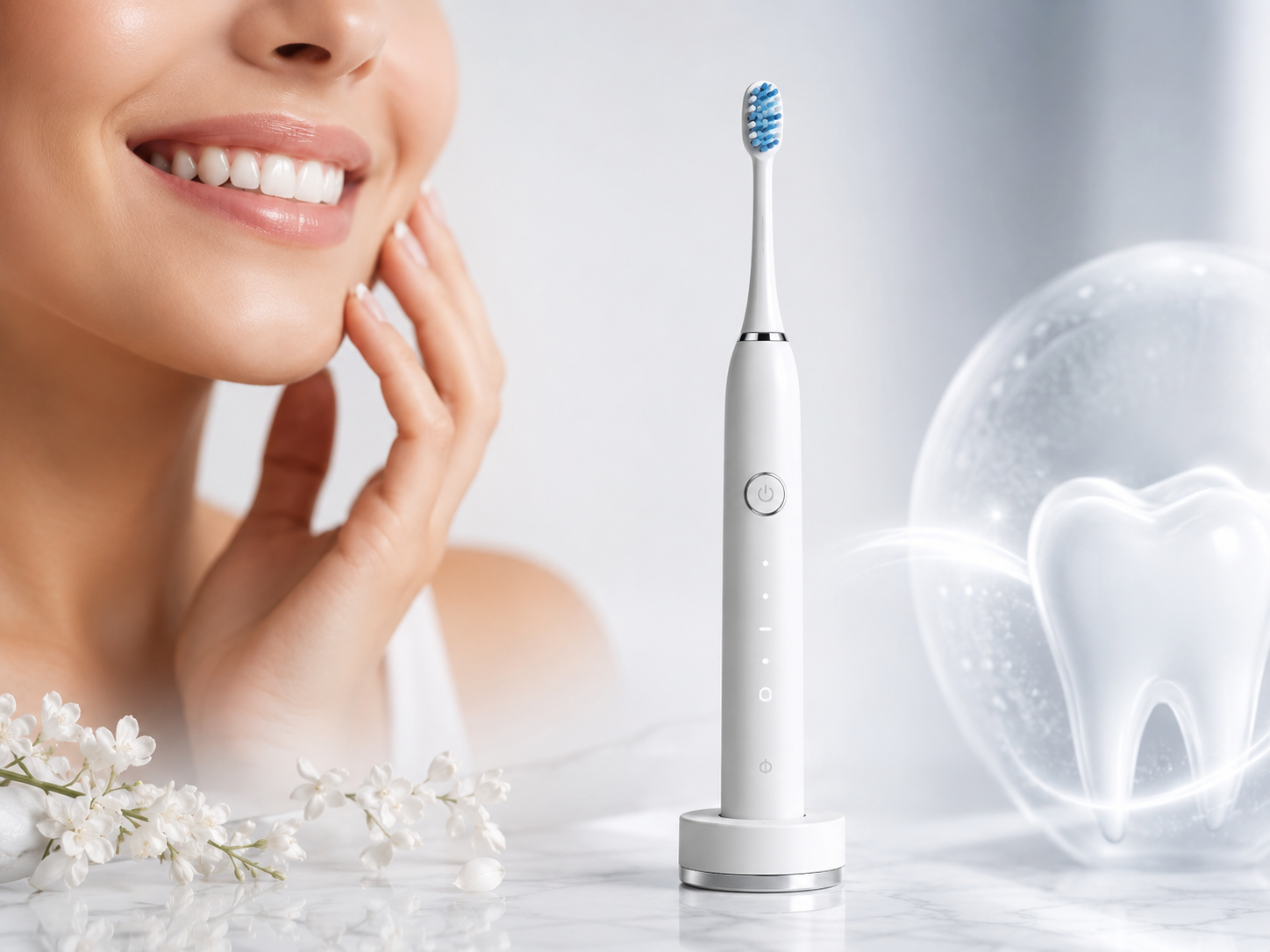
Electric Toothbrush Benefits: What the Clinical Evidence Actually Shows
The electric toothbrush benefits backed by peer-reviewed research are striking enough to change how you think about your daily oral care routine — powered brushes reduce plaque by up to 21% more than manual brushing and can help you retain measurably more teeth over a lifetime. If you're still reaching for a manual brush out of habit, the science says that habit is costing you. This article breaks down the clinical evidence, explains the technology differences that matter, and helps you understand which features deliver real results — not just marketing claims.How Electric Toothbrushes Work: The Technology Behind Superior Cleaning
Electric toothbrushes operate through two primary mechanisms: oscillating-rotating technology and sonic vibration technology. Understanding the difference matters because the clinical outcomes are not identical. Oscillating-rotating brushes feature small, round heads that rotate back and forth while simultaneously pulsating against tooth surfaces. This dual-action movement can produce up to 40,000 pulsations and 8,800 oscillations per minute — a mechanical cleaning action no human wrist can replicate. Sonic toothbrushes generate vibrations at frequencies ranging from 24,000 to 40,000 strokes per minute. These high-frequency vibrations create dynamic fluid activity that allows cleaning agents in toothpaste and saliva to reach areas beyond direct bristle contact, a phenomenon known as non-contact bristle action. Advanced models now layer in pressure sensors, quadrant timers, and Bluetooth-connected apps that coach users in real time. These features are not cosmetic additions — they directly improve technique and compliance, two of the biggest variables in oral health outcomes.
Clinical Evidence: Electric Toothbrush Benefits vs. Manual Brushing
Key Health Benefits Supported by Research
Healthier Gums, Faster
Reduced gingivitis is one of the most consistent findings across electric toothbrush studies. The controlled, rhythmic motion disrupts bacterial biofilm along the gumline without the tissue trauma that often accompanies aggressive manual scrubbing. Users typically report reduced bleeding within the first two to four weeks of switching. That's not a placebo effect — it reflects genuine improvement in gingival inflammation as plaque levels drop and bacterial load decreases at the sulcus.Better Plaque Removal in Hard-to-Reach Areas
Posterior molars and interproximal spaces are where manual brushing consistently underperforms. Electric toothbrushes — particularly oscillating-rotating models — show the greatest advantages in exactly these zones, which are also the primary sites where cavities and periodontal disease originate. The electric toothbrush benefits here extend to reducing the bacterial load responsible for halitosis. Comprehensive plaque removal from difficult areas lowers volatile sulfur compound production, the primary driver of bad breath.Enamel Protection Through Controlled Pressure
Overbrushing causes enamel erosion and gum recession — damage that is largely irreversible. Built-in pressure sensors in quality electric models alert users when force exceeds safe thresholds, actively preventing the mechanical damage that aggressive manual brushing causes over years of use.Improved Brushing Duration and Consistency
A study examining app-integrated electric toothbrushes found that digital guidance with visual and acoustic feedback improved brushing duration by 38.9% while also improving pressure control. A separate study using the validated EOHAB questionnaire (N=239) confirmed that connected toothbrushes improved oral health perceptions and compliance outcomes. Two-minute timers and quadrant alerts are simple features, but their behavioral impact is measurable. Consistency over time is what drives the long-term tooth retention data referenced above.Special Advantages for Specific Populations
Limited Mobility and Dexterity Challenges
Patients with arthritis, carpal tunnel syndrome, Parkinson's disease, or post-stroke motor deficits often cannot execute the fine wrist movements required for effective manual brushing. Electric toothbrushes transfer the mechanical work to the device, requiring only that the user guide the brush head from tooth to tooth. This is not a minor convenience — for many patients in this category, an electric toothbrush is the difference between adequate oral hygiene and chronic periodontal disease.Orthodontic Patients
Patients in fixed orthodontic treatment face a dramatically increased plaque challenge around brackets, bands, and archwires. Electric toothbrushes navigate these obstacles more effectively than manual brushes, reducing the risk of white spot lesions — the demineralization marks that appear on enamel after braces are removed.Diabetic Patients
The bidirectional relationship between periodontal disease and glycemic control is well established. Diabetic patients carry higher susceptibility to gingival infection, and uncontrolled periodontal inflammation in turn worsens insulin resistance. Superior daily plaque removal through electric brushing supports the gingival health that diabetic patients cannot afford to compromise.Seniors
Age-related declines in dexterity, grip strength, and sometimes cognitive function reduce the effectiveness of manual brushing. The automated cleaning action of electric toothbrushes helps older adults maintain oral health independence, which is directly linked to nutritional status and quality of life.Children
Built-in timers, app-based games, and the novelty factor of powered brushing improve compliance among children who resist brushing. For this age group, brushing long enough is often a bigger problem than brushing technique — and that is exactly what electric toothbrush timer technology solves. For a deeper look at how oral care habits established in childhood affect lifelong dental health, see oral health research and preventive care science on our professional knowledge hub.How to Choose the Right Electric Toothbrush
Oscillating-Rotating vs. Sonic: What the Evidence Recommends
Based on current peer-reviewed literature, oscillating-rotating technology has the stronger evidence base for plaque removal and gingival health, particularly in interproximal regions. Sonic technology offers legitimate benefits for users who prefer lighter brush pressure or have specific sensitivity concerns. Within oscillating-rotating models, newer AI-powered designs like the Oral-B iO™ series demonstrate measurable advantages over conventional versions in controlled trials.Features That Deliver Measurable Outcomes
- Pressure sensor: Non-negotiable for anyone with a history of gum recession or enamel erosion
- Two-minute timer with quadrant alerts: Directly linked to improved brushing duration in clinical studies
- App connectivity: Shown to improve compliance and brushing habits in connected toothbrush research
- Multiple cleaning modes: Sensitive mode for tender gums; standard mode for daily use
- Round brush head: Supports the cupping action that drives superior interproximal cleaning
- IPX7 water resistance: Necessary for safe daily bathroom use and easy rinsing
Battery Life and Replacement Head Costs
Models offering 7–14 days of charge per cycle are practical for both daily use and travel. Replacement brush heads should be changed every three months — factor this into the total cost of ownership when comparing devices. Heads typically cost $3–8 each, depending on the brand and model tier.Cost-Benefit Analysis: What You Actually Save
Quality electric toothbrushes range from $50 for entry-level models to over $200 for advanced smart systems. That investment looks different when weighed against the dental treatment costs it can help prevent. Scaling and root planing for moderate periodontal disease typically runs $500–1,500 per quadrant. A single composite filling costs $150–300. Crowns range from $800–1,500 each. The superior plaque removal that electric toothbrushes provide — particularly in the interproximal and subgingival areas where disease originates — reduces the frequency of these interventions. The 11-year longitudinal study cited above makes the long-term arithmetic straightforward: retaining more natural teeth over a lifetime avoids the implant, bridge, and denture costs that tooth loss eventually demands. A single implant currently costs $3,000–5,000. The electric toothbrush pays for itself many times over if it prevents even one. For oral care manufacturers and procurement teams evaluating product categories, our oral care production and quality control resources cover the standards and testing benchmarks relevant to powered toothbrush manufacturing.The Bottom Line on Electric Toothbrush Benefits
The clinical evidence supporting electric toothbrush benefits is consistent, multi-decade, and drawn from large populations. Powered brushes outperform manual brushes on every major oral health metric: plaque reduction, gingivitis rates, tooth retention, and long-term periodontal health. The advantages are most pronounced for oscillating-rotating models, and they are amplified further by app-assisted brushing guidance that improves duration and technique compliance. Switching to an electric toothbrush is one of the highest-return changes a person can make to their daily health routine — not because it is complicated, but because it is simple, evidence-based, and cumulative over a lifetime of use. For industry professionals tracking how connected oral care devices are reshaping patient outcomes, visit our oral care industry news and innovation coverage for the latest developments.Frequently Asked Questions
Are electric toothbrushes better than manual brushes?
Clinical evidence consistently shows electric toothbrushes reduce plaque and gingivitis more effectively than manual brushes across diverse populations. The Cochrane meta-analysis covering thousands of participants confirmed 11–21% greater plaque reduction with powered brushing.Which is better — oscillating-rotating or sonic?
Current peer-reviewed evidence favors oscillating-rotating technology for plaque removal, particularly between teeth. Sonic models work well for users who prefer lighter pressure or have specific sensitivity needs.How long should you brush with an electric toothbrush?
Two minutes is the clinically recommended brushing duration. Most electric toothbrushes include timers to help users reach this target consistently — and research shows that guided brushing improves duration by nearly 39%.How often should you replace the brush head?
Every three months, or sooner if the bristles show visible wear. Worn bristles reduce cleaning effectiveness regardless of brush type.Are electric toothbrushes safe for sensitive teeth?
Yes, when used correctly. Models with pressure sensors prevent the overbrushing that causes sensitivity and gum recession. Sensitive cleaning modes further reduce vibration intensity for users with tooth or gum sensitivity.References
- NIH/PMC — Impact of Connected Toothbrushes on Patient Perceptions of Brushing and Oral Health Outcomes (2026)
- PubMed / Cochrane Database — Powered versus Manual Toothbrushing for Oral Health: Meta-Analysis (N=2,871–3,345)
- NIH/PMC — Long-Term Impact of Powered Toothbrush on Oral Health: 11-Year Longitudinal Study (N=2,819)
- NIH/PMC — The Effect of Different Electric Toothbrush Technologies on Plaque Removal: Oscillating-Rotating vs. Sonic
- PubMed — Cleansing Efficacy of the Oral-B® iO™ Electric Toothbrush Compared to Conventional Oscillating-Rotating Brushes (N=30, Randomized Crossover)
- NIH/PMC — Treatment Success and User-Friendliness of an Electric Toothbrush with App-Assisted Guidance: Brushing Duration and Pressure Control Outcomes