LED Mouthpiece Specs Buyers Overlook at Sourcing
12 أكتوبر 2026
A B2B sourcing checklist covering LED whitening device sourcing specs — wavelength, irradiance, battery standards, and certifications — before your first order.
LED Whitening Device Sourcing Specs Buyers Overlook Before the First Order
Most first-time B2B buyers open a sourcing conversation with unit price and MOQ. That is the wrong starting point. Underspecified LED whitening device sourcing specs are the primary reason orders stall at customs clearance, fail distributor compliance audits, or generate clinical complaints within the first quarter after launch. The specifications that determine whether a device performs — and sells legally in your target market — are wavelength, irradiance output, battery standards, safety certifications, and mouthpiece geometry. Each needs to be locked into your purchase specification before sampling begins.
This checklist is written for clinic-supply distributors, private-label brand owners building take-home kit programs, and spa operators pairing devices with professional gel formulas.
Wavelength: What "Blue LED" Does Not Tell You About LED Whitening Device Sourcing Specs
Wavelength is the single most misrepresented specification in LED mouthpiece sourcing. Suppliers frequently list "blue LED" without specifying the nanometer range. That omission matters clinically and commercially.
Blue-spectrum LEDs in the 460–470nm range are commonly paired with peroxide-based or PAP-based whitening gels, where light activates photoinitiators or photocatalysts in the formula. A 2026 review published in the Journal of Dentistry found that visible LEDs do not consistently improve bleaching outcomes when paired with high-concentration peroxide — but that violet LEDs paired with low-concentration peroxide or photocatalysts show more promise for light-assisted protocols.
For buyers building PAP-based take-home kits — the preferred format for enamel-safe, peroxide-free positioning — the wavelength specification must align with the photoactivation profile of the specific gel formula being used. A device listed only as "blue LED" without a confirmed nanometer range cannot be validated against your gel's activation requirements.
Require the following in writing before sampling:
- Peak emission wavelength in nanometers, not a color description
- Full spectral range (e.g., 450–470nm), not just peak
- Single-wavelength or polywave designation
- Confirmation of which gel formulas the device has been tested with
Polywave devices emit across multiple wavelength bands simultaneously. A 2026 study in Revista Gaúcha de Odontologia demonstrated that different polywave irradiance levels produced measurably different temperature changes at the pulp and buccal surface — which means polywave devices carry additional thermal specification requirements beyond wavelength alone.
Irradiance Output: The Specification Most Often Absent From Supplier Data Sheets
Irradiance — the power of light delivered per unit area, expressed in mW/cm² — determines how much energy the gel and tooth surface actually receive during a treatment cycle. It is also the specification most likely to be missing from supplier documentation.
Higher irradiance is not automatically better. The 2026 Revista Gaúcha de Odontologia study confirmed that higher irradiance levels produced the greatest temperature increases at both the tooth surface and the pulp. That finding has direct implications for patient safety and brand liability on take-home devices operating without clinical supervision.
An umbrella review of systematic reviews published in the Saudi Dental Journal in 2026 reinforced the picture: LED and other light-activation methods generally did not improve whitening efficacy compared to gel alone, and in some protocols increased sensitivity — making irradiance control and treatment duration critical sourcing parameters, not secondary details.
For take-home devices, specify:
- Irradiance output in mW/cm² confirmed by third-party measurement, not self-reported
- Defined treatment cycle duration with auto-shutoff (e.g., 10-minute cutoff)
- Thermal safety validation data included in the product technical file
- Maximum surface temperature during operation, with validation method documented
If a supplier cannot provide third-party irradiance data, that is a sourcing risk. Thermal injury claims fall on the brand owner, not the manufacturer.
Battery and Charging Standards That Affect Market Clearance
Battery type and charging interface are compliance variables that directly determine whether a device can be sold in your target market. They are also frequently treated as afterthoughts in early sourcing conversations.
The primary considerations for B2B buyers are:
- Battery chemistry: Lithium-ion and lithium-polymer cells require UN 38.3 transportation testing for air freight. If your logistics chain includes air shipment, this certification must be confirmed before production begins.
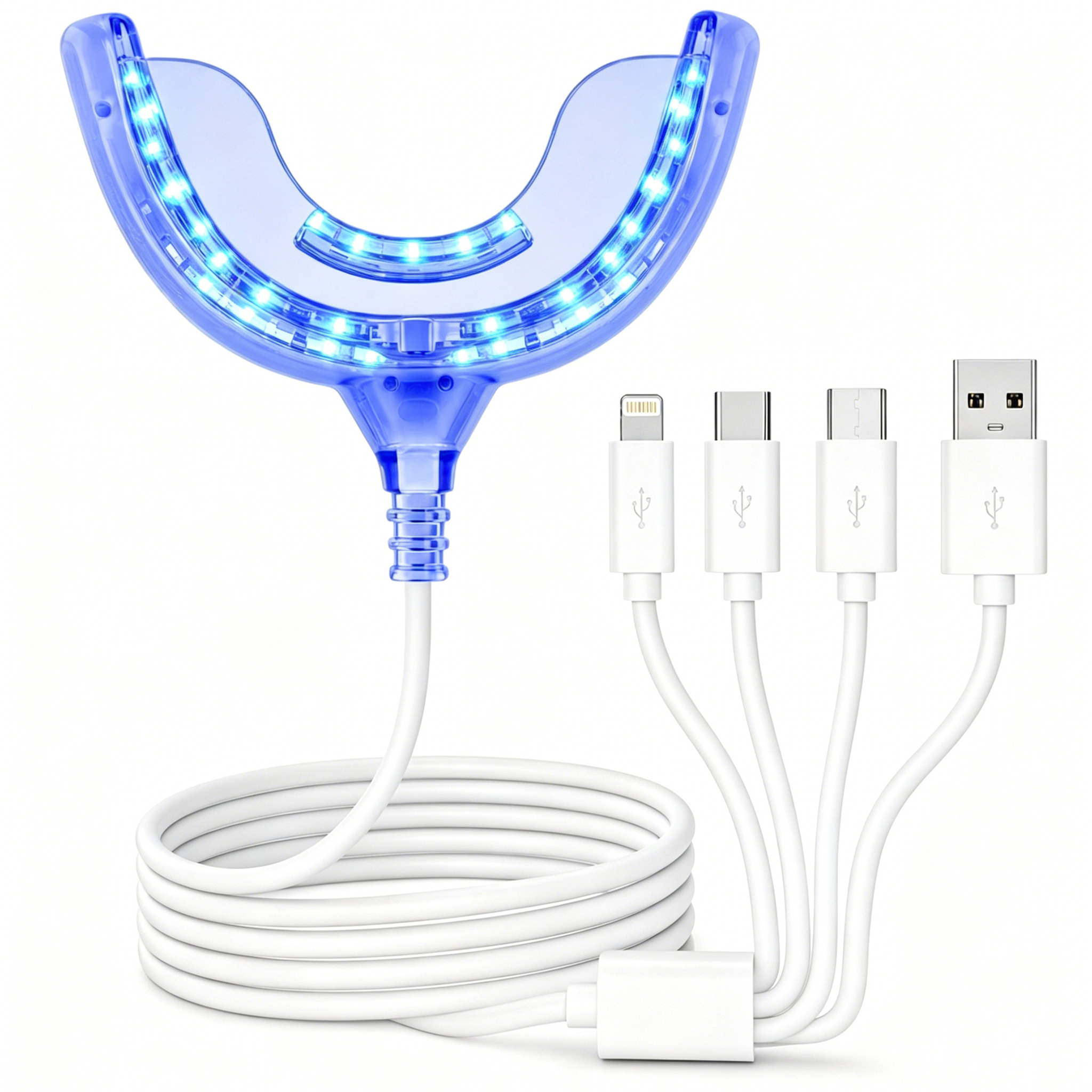
- Charging interface: USB-C is now the mandated standard for consumer electronics sold in the EU under the Common Charger Directive. Any brand entering European retail channels needs to specify this at the device design stage, not after tooling is complete.
- Disposable vs. rechargeable format: Disposable battery devices avoid some certification complexity but introduce sustainability positioning issues that matter to premium retail buyers and direct-to-consumer wellness brands.
- Battery capacity and cycle life: Specify minimum cycle life — the number of full charge-discharge cycles before capacity degrades — in your purchase specification. This directly affects return rates and customer satisfaction data in retail channels.
Buyers sourcing for clinic-supply programs should also confirm whether the device is classified as a medical electrical device under IEC 60601 in their target market, as this classification triggers electrical safety requirements beyond standard consumer electronics standards.
CE, FCC, and RoHS: Matching Certifications to Your Target Market
Certification requirements vary by market and by how the device is classified. Classification depends heavily on the intended-use claims made on the product label and in marketing materials — a detail that brand owners frequently underestimate.
The FDA has clarified that tooth-bleaching devices fall under product code EEG and are generally Class I exempt from premarket notification. However, intended use and product claims affect regulatory classification. A device marketed with clinical efficacy language or sold through dental professional channels may face a different classification pathway than a consumer take-home device with cosmetic-only claims.
| Market | Relevant Certification | Notes |
|---|---|---|
| European Union | CE marking (MDR or LVD/EMC, depending on classification) | Medical device classification under EU MDR 2017/745 if therapeutic claims are made |
| United States | FCC Part 15 (wireless/Bluetooth models); FDA EEG classification | Class I exempt for cosmetic bleaching; intended-use claims determine pathway |
| EU / UK / Global | RoHS compliance | Restricts hazardous substances in electrical and electronic equipment |
| Air freight (all markets) | UN 38.3 (lithium battery transport) | Required for any lithium-cell device shipped by air |
Request the full technical file, not just a certificate image. Certificates can be issued for a different device variant than the one being produced. The technical file must reference the specific model number, battery configuration, and LED specification of the exact unit you are ordering.
Mouthpiece Geometry and Tray Compatibility
The physical geometry of the LED mouthpiece determines whether it delivers consistent light coverage across the full dental arch and whether it is compatible with the gel application format in your kit. Geometry is where device and formula function as a system — or fail to.
Confirm the following before approving a sample:
- Arch coverage: Does the LED array cover both upper and lower arches simultaneously? Single-arch devices double treatment time, which reduces compliance in take-home programs.
- LED positioning: LEDs positioned only on the labial surface will not deliver consistent irradiance to premolars and second bicuspids. Request the LED array map in the technical drawing.
- Tray compatibility: If your kit includes prefilled gel trays or syringe-application trays, confirm the mouthpiece accommodates standard tray thickness without fit or pressure issues.
- Mouthpiece material: Food-grade silicone is standard for consumer-facing devices. Require Shore hardness documentation and biocompatibility certification to ISO 10993 or equivalent.
- One-size vs. adjustable fit: One-size mouthpieces reduce SKU complexity but generate fit complaints. Flexible or adjustable designs add cost and reduce return rates in retail channels.
A 2024 randomized clinical study published in PubMed Central found that violet LED combined with a bleaching gel produced better outcomes than violet LED used alone — confirming that the device and gel must function as a validated system. Mouthpiece geometry directly affects whether the gel receives consistent light activation across the treatment surface.
Lock These LED Whitening Device Sourcing Specs Before Sampling Begins
Sampling without a written purchase specification is the most common and most costly mistake in LED mouthpiece sourcing. Samples produced without locked specifications are frequently not representative of production units — and by the time discrepancies surface, tooling costs and lead times make revision expensive.
Your purchase specification for an LED whitening mouthpiece should include, at minimum:
- LED wavelength: Peak emission in nm and full spectral range
- Irradiance output: mW/cm² at the mouthpiece surface, with third-party measurement method specified
- Treatment cycle duration: Auto-shutoff timing and any multi-cycle programming
- Thermal limits: Maximum surface temperature during operation, with validation method documented
- Battery specification: Chemistry, capacity in mAh, cycle life, and charging interface
- Certifications required: CE, FCC, RoHS, UN 38.3 — confirmed for the specific model being ordered
- Mouthpiece material: Silicone grade, Shore hardness, biocompatibility standard
- Arch coverage and LED array map: Technical drawing confirming LED placement relative to full dental arch
- Tray compatibility confirmation: Fit testing documentation for the gel application format in your kit
- Polywave designation: If applicable, spectral output for each wavelength band and thermal validation at maximum irradiance
Private-label programs built on co-developed device and gel combinations — where the LED specification is matched to the photoactivation profile of the formula from the start — consistently outperform those where device and gel are sourced independently and integrated late. Locking these specifications early is not a procurement formality. It is the foundation of a defensible product.
References
- Illuminating the evidence: A comprehensive review of light-assisted in-office tooth bleaching. Journal of Dentistry, 2026. PubMed.
- Do Laser and Light Activation Improve In-Office Dental Bleaching Outcomes? PubMed, 2026.
- In-office tooth bleaching protocols: An umbrella review of systematic reviews and meta-analyses. Saudi Dental Journal, 2026. PubMed Central.
- LED polywave light irradiance affects the temperature of the pulp and buccal surface during bleaching. Revista Gaúcha de Odontologia, 2026.
- Effectiveness of violet LED with or without a bleaching gel: A 12-month randomized clinical study. PubMed Central, 2024.
Disclaimer
This article is for general informational purposes only and does not constitute sourcing, legal, or regulatory advice. Always conduct your own due diligence and consult qualified legal or compliance professionals before making purchasing or compliance decisions. WhiteningBright makes no warranties as to the completeness or accuracy of the information, and any reliance is at your own risk.