How Long Whitening Results Actually Last
3 de julio de 2026
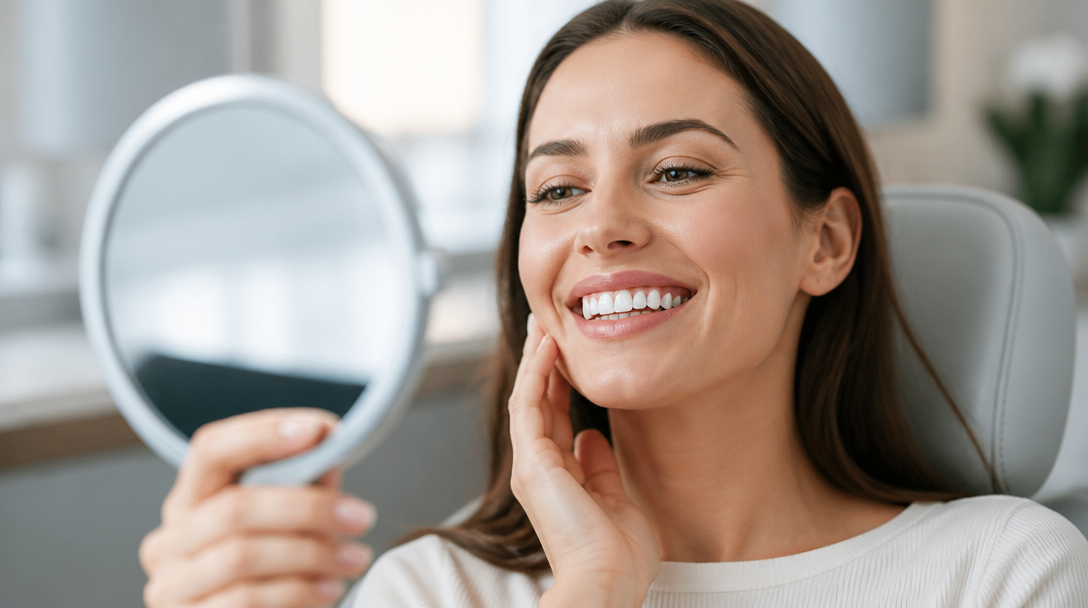
Find out how long whitening lasts for strips, gel trays, pens, LED kits, and powder — plus the daily habits that extend or shorten your results.
Why Whitening Results Are Never Permanent
How long whitening lasts is the question most product packaging avoids answering directly. The honest answer: results are real, but always temporary. Teeth are porous. Microscopic channels in enamel continuously absorb pigment from food, drink, and tobacco. Whitening treatments reduce accumulated stain — but the moment you resume normal eating and drinking, reabsorption begins again. No treatment permanently seals enamel against future staining.
What varies is how quickly that staining returns. Two factors control that timeline: the method used, and the daily habits maintained afterward. Both are within your control.
How Long Whitening Lasts by Method
Whitening Strips
Strips are among the most widely used at-home formats. A flexible adhesive film holds a low-concentration peroxide gel against the tooth surface for roughly 30 minutes per session, repeated over several days. Because consumer products operate at lower active concentrations than professional protocols, results fall into the over-the-counter category: a few weeks to a couple of months.
Strips suit people who want visible improvement before a specific event — a wedding, an interview, a reunion. They are not suited to someone seeking sustained brightness without ongoing maintenance. Regular coffee or tea drinkers should expect results to fade toward the shorter end of that range.
Gel Trays: The Longest-Lasting At-Home Option
Custom-fit gel trays hold whitening gel evenly across all tooth surfaces, allowing more consistent and deeper contact than a strip. This format — whether prescribed by a dentist or used as part of a professional-grade at-home kit — produces results that can last six months to three years.
That wide range reflects real-world behavior, not measurement error. A patient who completes the full treatment course, limits staining foods, and performs occasional maintenance sits at the longer end. Someone who stops early and resumes heavy coffee consumption without any top-ups sits at the shorter end. The conditions surrounding the treatment matter as much as the treatment itself.
Gel tray results hold longer when:
- The initial course runs until the target shade is reached
- A maintenance session is performed every few months
- Staining beverages are consumed through a straw where practical
- Consistent oral hygiene reduces surface film accumulation between sessions
For sensitive teeth, a lower-concentration formula worn for longer sessions is typically better tolerated than a high-concentration gel used briefly. The total peroxide exposure across a session matters more than peak concentration alone.
Whitening Pens: Built for Maintenance, Not First Treatment
A whitening pen deposits a thin layer of gel through a precision brush or twist-tip applicator. The format is designed for portability — not for treating a significantly stained baseline. Saliva dilutes the thin gel layer quickly, and contact time is minimal compared to a tray or strip.
Where pens deliver genuine value is as a maintenance tool. After completing a strip or tray treatment, using a pen a few times per week intercepts minor surface staining before it accumulates. Think of it as touching up a painted wall rather than repainting the whole room.
Used consistently after a primary treatment, a pen can meaningfully extend how long whitening lasts. Used alone from a stained starting point, the visible result will be modest at best.
LED Kits: Does the Light Extend How Long Whitening Lasts?
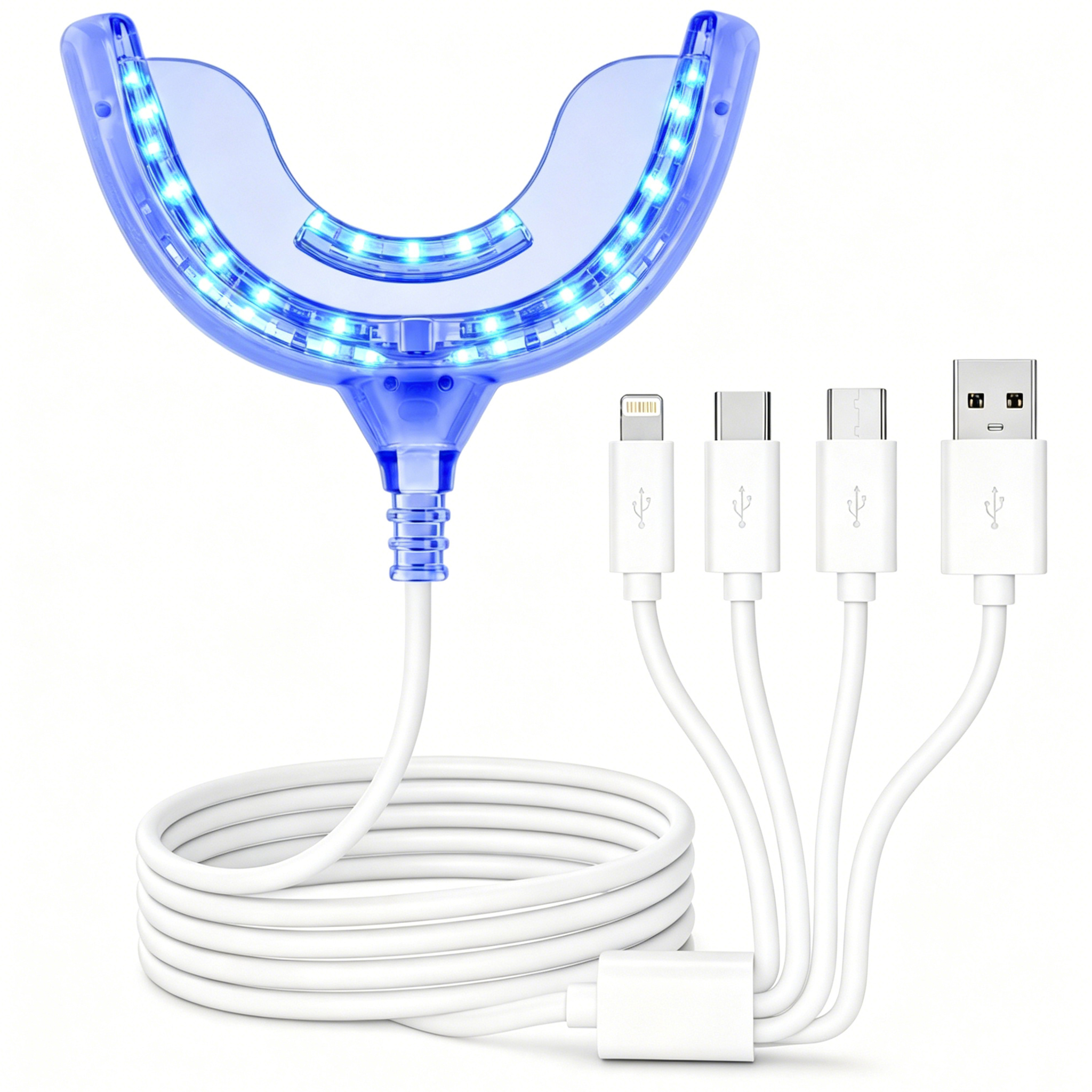
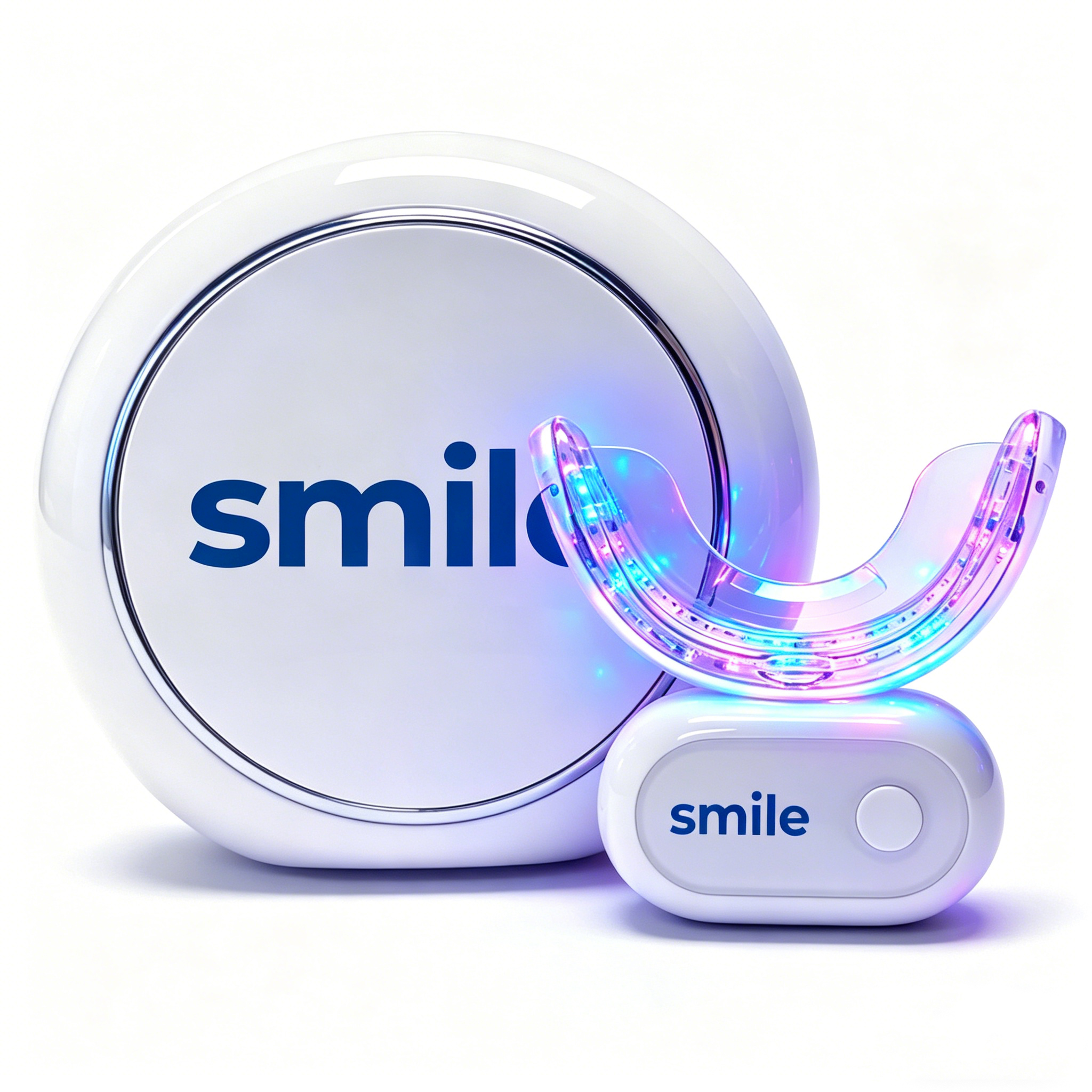
LED whitening kits combine a mouthpiece light source with a peroxide or PAP (phthalimidoperoxycaproic acid) gel. The marketing often positions the light as the active agent. It is not. The gel does the whitening. The LED's role — where it has any measurable effect — is to accelerate activation of the whitening compound already in the gel.
Whether the light component meaningfully extends result longevity compared to the same gel used without it is not well established in consumer-grade products. The more relevant variable is the gel formulation: its concentration, its active ingredient, and how well it contacts the tooth surface during treatment.
Some LED kits use PAP-based gels rather than hydrogen peroxide. PAP oxidizes stain molecules without releasing free radicals, making it gentler on enamel and less likely to trigger sensitivity. The whitening effect is real. In terms of how long results last, the same principles apply regardless of active ingredient: shade fades at a rate determined primarily by diet and oral hygiene, not by which compound was used.
LED kits are an at-home format. Their typical result duration — a few weeks to a couple of months without maintenance — sits in the same range as strips, depending on gel concentration.
Whitening Powder: Surface Brightness, Not Deep Whitening
Whitening powders — typically activated charcoal or silica-based formulas — work through abrasion, not chemistry. They physically polish the tooth surface, removing extrinsic stain sitting on top of enamel. They do not alter pigment molecules within enamel the way peroxide or PAP does.
Results appear quickly and fade just as quickly. The brightness reflects stain removal, not a change to the underlying tooth color. Powders function best as a maintenance and polishing tool between peroxide or PAP-based treatments — not as a replacement for them.
One practical caution: highly abrasive powders used daily can wear enamel over time. Look for formulations with a low relative dentin abrasivity (RDA) rating and limit use to a few times per week.
The Daily Habits That Decide How Long Whitening Lasts
No method holds its results in isolation. Daily habits after treatment are the single largest factor in how long whitening lasts — in most cases more influential than which specific product was used.
The Staining Hierarchy
Not all staining agents are equal. The compounds most likely to shorten results:
- Coffee and tea — high in tannins, which bind strongly to enamel
- Red wine — combines tannins with chromogens and acidity
- Tobacco — tar and nicotine penetrate deeply; among the hardest stains to reverse
- Dark sauces and berries — tomato-based, soy, and balsamic sauces; blueberries and pomegranate
- Acidic foods and drinks — temporarily soften enamel, making it more receptive to pigment immediately after consumption
The 48-Hour Window
The period immediately after any whitening treatment is when enamel is most vulnerable to restaining. Pores opened during the whitening process have not yet fully closed. Avoiding deeply pigmented foods and drinks for 48 hours after treatment makes a measurable difference to how long results hold — this window is short, but it carries disproportionate weight.
Five Habits That Extend Results
- Rinse with water after staining drinks. It does not replace brushing, but it reduces the time pigments remain in contact with enamel.
- Brush twice daily with a mild whitening toothpaste. Consistent mechanical cleaning prevents extrinsic stain from building between treatments.
- Use a straw for cold staining beverages. Reduces direct contact with the front tooth surfaces most visible when you smile.
- Schedule maintenance sessions. A brief top-up with strips or a pen every six to eight weeks can significantly extend the overall brightness period after a primary treatment.
- Attend regular professional cleanings. A hygienist removes calculus and surface deposits that home brushing cannot address, giving whitening treatments a cleaner surface to work on.
Managing Sensitivity Without Abandoning Maintenance
Sensitivity leads some people to reduce whitening frequency — and when that happens, results fade faster than they need to. Switching to a PAP-based formula, or a lower-concentration peroxide paired with a desensitizing agent such as potassium nitrate or fluoride, allows a maintenance routine to continue without discomfort. Sensitivity does not have to mean stopping.
A Practical Summary: Method, Duration, and What Moves the Dial
| Method | Typical Duration | Primary Limiting Factor |
|---|---|---|
| Whitening strips | A few weeks to a couple of months | Low concentration; short contact time |
| Gel trays (professional-grade) | Six months to three years | Diet, maintenance frequency, tobacco use |
| Whitening pens | Extends primary treatment results | Thin gel layer; saliva dilution; not a standalone |
| LED kits | A few weeks to a couple of months | Gel formulation; concentration level |
| Whitening powder | Short-term surface brightness | Abrasive only; no subsurface change |
What This Means in Practice
The range between a few weeks and three years is not ambiguity in the research — it reflects genuine variation in how people use these products and live their lives. Someone who completes a professional-grade gel tray course, limits tobacco and coffee, and runs a brief maintenance session every couple of months operates at the long end of that range. Someone who uses strips once and resumes daily espresso is at the short end.
Understanding how long whitening lasts for your specific habits and chosen method is more useful than any average figure. Select the method that matches your starting point, protect the result during the 48 hours that follow, and build a simple maintenance habit. That combination — not any single product — is what keeps teeth consistently bright over time.
For guidance on selecting a whitening format suited to your goals, visit the WhiteningBright product range.
References
The duration ranges cited in this article — a few weeks to a couple of months for over-the-counter products, and six months to three years for professional-grade treatments — reflect the current general consensus reported across dental consumer guidance. At the time of publication, the specific peer-reviewed studies and regulatory documents underpinning these ranges are best located through the following authoritative sources. No fabricated citations are included below.
- PubMed (National Library of Medicine) — search terms: "tooth bleaching color stability," "whitening longevity," "peroxide whitening persistence"
- American Dental Association — Tooth Whitening (Oral Health Topics)
- U.S. Food and Drug Administration — Tooth Whitening Products
Note: The research material available during the drafting of this article did not include peer-reviewed studies meeting the publication-date and source-type criteria required for direct citation. The links above direct readers to the primary databases and regulatory bodies where qualifying evidence can be verified independently.
Disclaimer
This article is for general informational purposes only and is not a substitute for professional dental or medical advice. Always consult a qualified dental professional before starting any teeth-whitening or oral-care regimen. WhiteningBright makes no warranties as to the completeness or accuracy of the information, and any reliance is at your own risk.