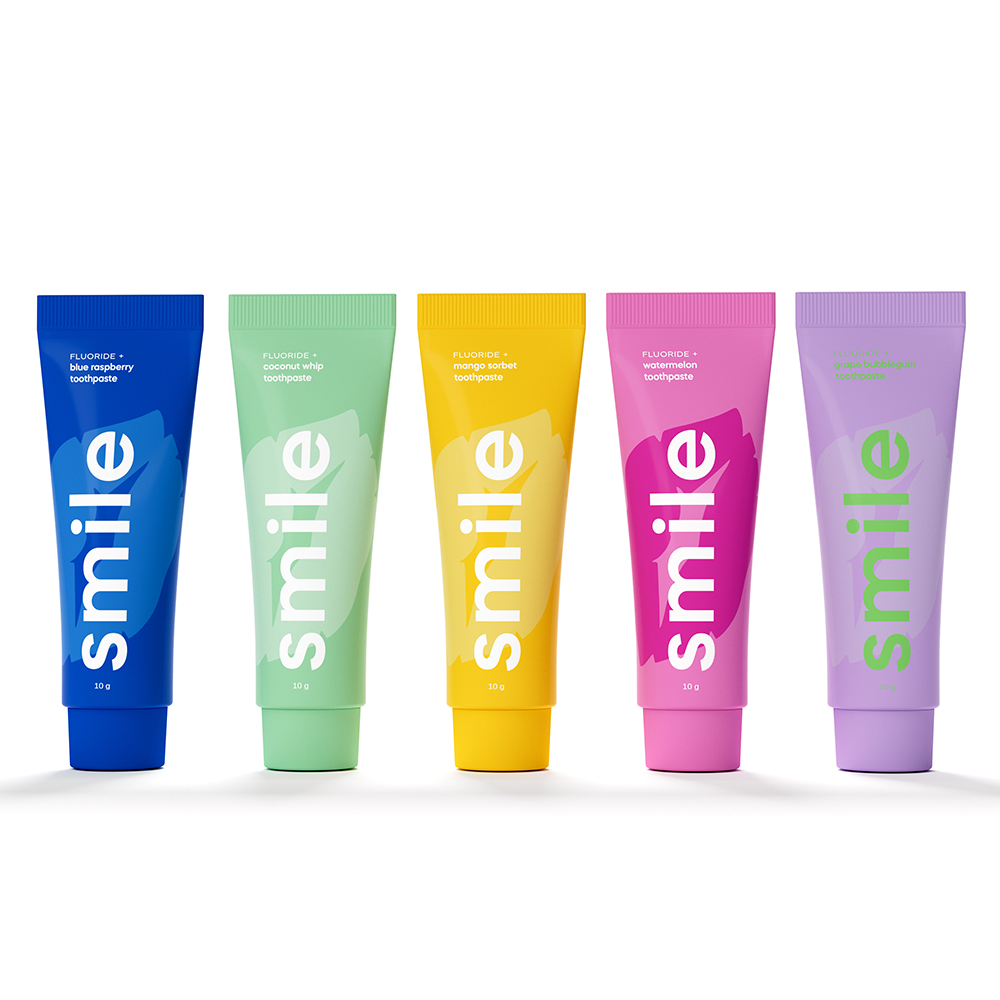
Prebiotic oral care is rewriting the rules of dental health in 2026, and the shift couldn't be more fundamental. For decades, the mantra was simple: annihilate bacteria. We swished with alcohol-based mouthwashes that promised to kill 99.9% of germs, treating a sterile mouth as a healthy one. Science now tells a very different story—one built on balance, not destruction.
Your mouth harbors over 700 species of bacteria, fungi, and viruses living in a complex biofilm. The goal is no longer to eliminate this ecosystem but to cultivate it. Prebiotics—compounds that selectively nourish beneficial microbes—are the tool making that possible, and their rise from gut health supplement to oral care staple is one of the most compelling stories in preventive dentistry this year.
What Are Oral Prebiotics and Why Are They Trending in 2026?
Oral prebiotics are non-digestible or selectively metabolized compounds that feed beneficial bacteria already living in your mouth. Think of specific sugars like xylitol or amino acids like arginine—ingredients that good bacteria prefer to consume while harmful species like Streptococcus mutans, the primary driver of tooth decay, cannot effectively use them.
The timing of this trend is no accident. Consumer awareness around the microbiome has matured significantly. People who spent years optimizing their gut flora with prebiotic-rich foods are now asking the same question about their mouths. Research has accelerated alongside this demand, with multiple peer-reviewed reviews published assessing prebiotics, probiotics, synbiotics, and postbiotics as tools for caries and periodontal prevention.
A major review analyzing the comparative effectiveness of probiotics, prebiotics, synbiotics, and postbiotics for caries prevention found that while probiotics currently show the strongest clinical evidence—including a relative risk reduction of 0.80 for caries in children—prebiotics and synbiotics demonstrate significant promise and are an active area of large-scale randomized controlled trials (RCTs).
For a deeper look at how microbiome science is reshaping preventive strategies, explore the latest oral care research and whitening science on LLRNCARE.
The Science: How Prebiotic Oral Care Works Against Decay and Gum Disease
Photo by Marta Branco on Pexels
Understanding why prebiotic oral care outperforms traditional antibacterial approaches requires a look at oral ecology. Traditional antiseptic mouthwashes—particularly those containing chlorhexidine or high concentrations of alcohol—operate as broad-spectrum antimicrobials. They reduce bacterial load indiscriminately, wiping out harmful and beneficial species alike. This disrupts the microbiome balance, can cause dry mouth, and may contribute to rebound bacterial growth once use stops.
Prebiotics take an entirely different approach: ecological control rather than antimicrobial suppression.
Selective Nourishment and Competitive Exclusion
Ingredients like xylitol and arginine are metabolized preferentially by beneficial species such as Streptococcus salivarius and Streptococcus sanguinis. As these bacteria flourish, they consume available resources and physically occupy surface area, making colonization by pathogenic species significantly harder. This is competitive exclusion at a microbial scale.
Critically, Streptococcus mutans cannot effectively ferment xylitol. It takes up xylitol-5-phosphate, which accumulates intracellularly and is toxic to the organism. The result is a meaningful reduction in the dominant caries-causing pathogen without a blanket antimicrobial effect on the broader microbiome.
pH Stabilization and Enamel Protection
Xylitol's role in oral health has been validated at a regulatory level. The European Food Safety Authority (EFSA) has approved the health claim that xylitol chewing gum reduces tooth demineralization, citing its demonstrated ability to lower Streptococcus mutans levels, maintain a balanced oral pH, and improve DMFT (decayed, missing, filled teeth) scores in clinical studies, as detailed in a review published through ISAPP Science.
When harmful bacteria are held in check, the pH environment of the mouth stabilizes. This matters because enamel demineralization begins at a pH below 5.5. A balanced oral microbiome, supported by prebiotics, keeps the mouth closer to its neutral baseline, creating conditions where minerals like calcium and phosphate can redeposit into enamel rather than being stripped away.
Biofilm Composition Over Biofilm Elimination
Oral biofilm—what we call plaque—is not inherently harmful. The problem is dysbiotic biofilm, where pathogenic species dominate. In vitro studies have shown that prebiotic compounds like arginine and xylitol are promising for microbiome modulation, shifting biofilm composition toward a healthier, less acidogenic profile. This distinction is central to the philosophy of prebiotic oral care: transform the biofilm, don't just strip it away.
Photo by hello aesthe on Pexels
Key Ingredients Driving Prebiotic Oral Care Products in 2026
Photo by Miriam Alonso on Pexels
Not all prebiotic claims in oral care are created equal. Here are the ingredients with the strongest evidence base and growing product presence this year.
Xylitol
The most clinically studied prebiotic compound in oral care. Xylitol appears in toothpastes, rinses, chewing gums, and increasingly in lozenge formats. EFSA approval gives it a regulatory credibility that few oral care ingredients possess. Standard effective doses in clinical studies range from 5 to 10 grams per day across multiple exposures.
Arginine
This amino acid supports alkaline-producing bacteria that generate ammonia as a metabolic byproduct, raising local pH and buffering against acid attacks. Arginine-based toothpastes have shown measurable reductions in dentin hypersensitivity and cavity formation in human studies, making arginine one of the more clinically advanced prebiotic compounds in formulated oral care products.
Inulin and Fructooligosaccharides (FOS)
Borrowed from gut health research, these plant-derived fibers are beginning to appear in advanced oral care formulations. Early in vitro evidence supports their role in selectively supporting Lactobacillus species in the oral cavity, though human clinical data specific to oral applications remains limited and is an active area of study.
Prebiotic Oral Care and Whiter Teeth: The Indirect Whitening Effect
A balanced oral microbiome contributes to a brighter smile through mechanisms that have nothing to do with bleaching agents—and everything to do with the underlying health of enamel and biofilm.
Dysbiotic biofilm is stickier, more porous, and more chromogenic—meaning it attracts and holds pigments from coffee, tea, and wine more readily than healthy biofilm. By promoting a balanced microbial community, prebiotic oral care reduces the adherent quality of the biofilm that forms on tooth surfaces throughout the day.
Enamel remineralization plays an equally important role. Thin, demineralized enamel becomes translucent, revealing the naturally yellow dentin beneath. The pH-stabilizing effect of prebiotic ingredients supports the redeposition of calcium and phosphate into enamel, thickening and smoothing the surface. A smoother, more mineralized enamel surface reflects light more uniformly—the physical basis of a whiter appearance. Research confirms that prebiotic food consumption frequency correlates with improved oral and dental health parameters in study participants, including aesthetic parameters.
What Dental Professionals Are Saying About the Prebiotic Shift
The professional dental community occupies a measured but genuinely interested position on this trend. No credible clinician is abandoning mechanical cleaning protocols in favor of prebiotic rinses alone. But the conversation has shifted substantially from skepticism to cautious integration.
Recommending xylitol-containing products for caries-prone patients is already standard practice among progressive dental hygienists, backed by both EFSA's regulatory position and decades of clinical use data. The broader category of prebiotic oral care—including arginine-based toothpastes and microbiome-supportive rinses—is now entering clinical discussions as an adjunct strategy rather than a fringe alternative.
The honest professional assessment, reflected clearly in the peer-reviewed literature, is that prebiotics show genuine promise for caries prevention and periodontal health maintenance, but the field calls urgently for large-scale, long-term RCTs. A review on probiotics, prebiotics, synbiotics, and postbiotics against oral conditions noted explicitly that no clinical prebiotic studies have yet been conducted for certain antifungal oral applications, underscoring that clinical validation is still catching up with mechanistic evidence.
This is a sign of a rigorous field in active development, not a reason for dismissal. For context on how regulatory and professional standards are evolving around oral care innovation, see the latest oral care industry news and professional updates at LLRNCARE.
Brands Leading the 2026 Prebiotic Oral Care Market
The prebiotic oral care market has moved decisively from niche wellness boutiques to mainstream shelf placement. Several brands have built their product identity around microbiome-friendly formulation principles.
Risewell
Risewell pairs hydroxyapatite for direct enamel remineralization with prebiotic xylitol, addressing both the structural and ecological dimensions of cavity prevention simultaneously. Their positioning is firmly in the science-backed natural space, appealing to consumers who want clinical credibility alongside clean ingredients.
Boka
Boka's nano-hydroxyapatite formulations are built around a microbiome-friendly philosophy—free from sodium lauryl sulfate, artificial flavors, and harsh preservatives that can disrupt oral flora. Their product line reflects the understanding that what you leave out of a toothpaste can matter as much as what you put in.
Davids
Davids incorporates xylitol as a functional prebiotic sweetener alongside natural abrasives and fluoride options. Their emphasis on non-GMO, sustainably sourced ingredients connects the microbiome-health angle to broader environmental and sourcing values that resonate strongly with their customer base.
The unifying shift across these brands is messaging: away from fear-based antimicrobial promises and toward the language of nourishment, balance, and long-term ecosystem health.
Prebiotic Lip Care: Extending the Oral Microbiome Philosophy
A complete prebiotic oral care routine increasingly extends beyond teeth and gums to the lips themselves. Lip skin hosts its own microbial community, and conventional lip balms—particularly those containing petrolatum and synthetic fragrances—can disrupt that balance over time, contributing to the cycle of chronic chapping and product dependency.
Prebiotic lip balms emerging in 2026 incorporate prebiotic sugars and skin-barrier-supporting plant extracts designed to nourish the lip microbiome rather than simply occlude the surface. The result is a foundation of genuine skin barrier health rather than temporary moisture masking. Integrated into a broader oral care regimen, these products extend microbiome-friendly thinking to the full smile zone.
The Future of Oral Microbiome Health: What Comes After Prebiotics
Prebiotics are the entry point into a much larger transformation of oral health management. The trajectory beyond 2026 points toward three developments worth watching closely.
At-Home Oral Microbiome Testing
Direct-to-consumer microbiome sequencing kits for the oral cavity are in active development. These tools would allow individuals to identify their specific microbial imbalances and receive targeted prebiotic or probiotic recommendations calibrated to their unique oral environment—a significant leap beyond population-level product formulation.
Synbiotic Oral Care Formulations
Synbiotics combine specific prebiotics with targeted probiotic strains in a single formulation, designed to deliver both the fuel and the organisms that should consume it. For oral care, this means products engineered to address specific conditions—halitosis, gingivitis, or recurrent caries—with strain-specific precision. Research on synbiotics for oral applications is active, and clinical data is expected to expand significantly over the next several years.
Prebiotics Embedded in Dental Materials
Perhaps the most forward-thinking application: dental sealants, composite resins, or orthodontic adhesives that slowly release prebiotic compounds into the surrounding oral environment. This would provide ongoing microbiome support at the highest-risk sites—around brackets, under sealant margins—without requiring any additional patient behavior.
The research review on Application of Prebiotics and Probiotics to Improve Oral and Dental Health identifies the oral immune-boosting potential of prebiotics and numerous supportive studies across dental health applications, framing the field as one with substantial runway for innovation. The core principle guiding all of it remains consistent: build resilience into the oral ecosystem, and oral health maintenance becomes self-sustaining. That is the promise of prebiotic oral care—and in 2026, that promise is closer to clinical reality than it has ever been.
To understand how these formulation innovations are being manufactured and quality-controlled at scale, visit LLRNCARE's production and quality control resources for oral care manufacturers.
Frequently Asked Questions
Is prebiotic oral care safe for daily use?
Yes. Ingredients like xylitol and arginine have well-established safety profiles and are used in clinical oral care products globally. Xylitol carries EFSA approval for its role in reducing tooth demineralization. As with any oral care product, follow the manufacturer's usage instructions and consult your dentist if you have specific concerns.
Can prebiotic toothpaste replace fluoride toothpaste?
Not at this stage of the evidence base. Fluoride remains the gold standard for caries prevention with decades of population-level data supporting its efficacy. Prebiotic oral care products are best understood as adjuncts—additions to a fluoride-based regimen that enhance microbiome health alongside established remineralization chemistry.
How long does it take to see results from prebiotic oral care products?
Microbiome shifts are not overnight occurrences. Clinical studies on xylitol typically assess outcomes over months of consistent use. Expect gradual improvements in gum health, breath freshness, and reduced plaque accumulation over four to twelve weeks of regular use rather than immediate dramatic changes.
Are prebiotic and probiotic oral care products the same thing?
No. Probiotics introduce live beneficial bacterial strains into the oral environment. Prebiotics feed beneficial bacteria that already reside there. Both approaches aim to shift the oral microbiome toward a healthier composition, but through different mechanisms. Synbiotic products combine both in a single formulation.
Which prebiotic ingredient has the most clinical support for oral use?
Xylitol currently holds the strongest clinical evidence base for oral prebiotic applications, backed by EFSA approval and multiple human studies demonstrating reductions in Streptococcus mutans and improved DMFT scores. Arginine is a close second, particularly for dentin sensitivity and alkaline pH support.
This article is for informational purposes only. The content is based on publicly available information, industry research, and scientific studies. LLRNCARE makes no representations or warranties of any kind, express or implied, about the completeness, accuracy, reliability, suitability or availability of the information contained in this article. Any reliance you place on such information is strictly at your own risk.
For professional dental advice, please consult a qualified dental professional. For regulatory compliance questions, consult with legal experts familiar with dental product regulations in your target markets.