What to Eat (and Avoid) to Keep Teeth White
13 июля 2026 г.
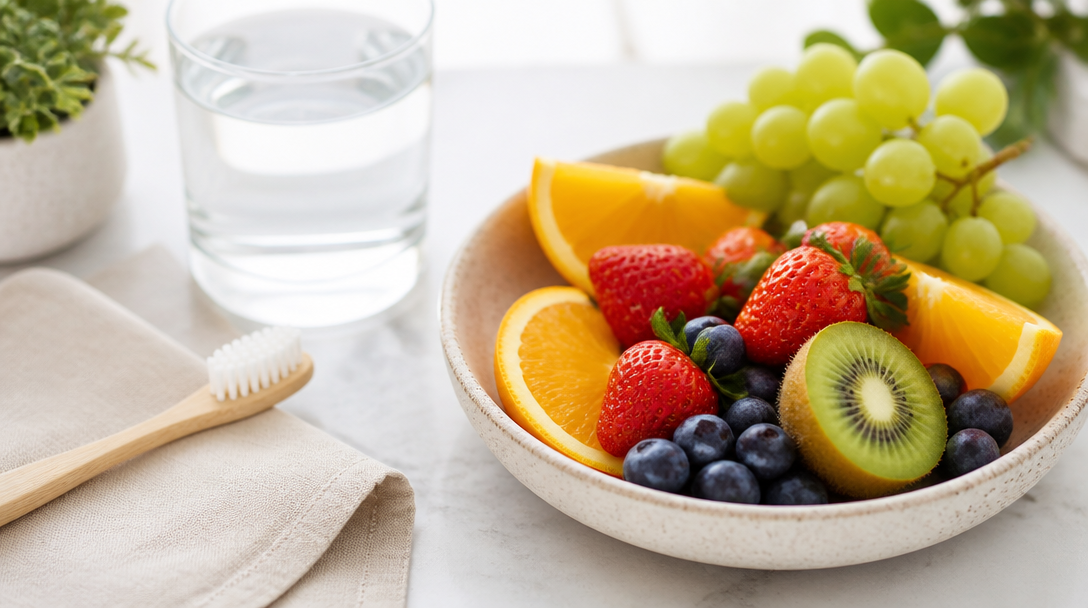
Discover which foods that stain teeth matter most after whitening, which foods protect enamel, and the daily habits that preserve your results long-term.
Why Diet Matters Most in the Days After Whitening
Most people start thinking about foods that stain teeth only after they notice discoloration coming back. That's too late. The window immediately after a whitening treatment is when your dietary choices carry the greatest weight — and the greatest risk.
During bleaching, hydrogen peroxide or PAP (phthalimidoperoxycaproic acid) opens the porous surface layer of enamel to lift embedded pigments. That porosity doesn't close instantly. For a period after treatment, your enamel absorbs new color from food and drink more readily than it did before whitening.
You don't need to overhaul your entire diet permanently. You need a clear picture of which foods cause the most damage, which ones support enamel health, and how to build habits that protect your results without turning every meal into a dental calculation.
The Foods and Drinks Most Likely to Restain Treated Teeth
The American Dental Association identifies dietary pigments as the primary driver of extrinsic tooth staining — the kind that sits on the outer surface of enamel and responds to whitening treatments. These pigments bind to enamel proteins through adsorption. The darker or more acidic the food, the faster that binding occurs.
High-risk items fall into two categories: deeply pigmented foods and acidic foods. Acidic foods matter because they temporarily soften enamel, making it easier for pigments to penetrate.
High-Staining Foods and Drinks
- Coffee and tea: Both contain tannins — plant compounds that promote pigment adhesion to enamel. Black tea tends to stain more aggressively than green or herbal varieties.
- Red wine: Combines tannins, deep chromogens (color compounds), and acidity in a single drink. The ADA lists it among the most significant dietary staining agents.
- Tomato-based sauces: High acidity paired with deep red pigment creates a consistent staining risk, especially on freshly whitened enamel.
- Berries: Blueberries, blackberries, pomegranate, and cherries carry intense natural pigments. Their juice is particularly concentrated.
- Soy sauce and balsamic vinegar: Dark, acidic, and used in amounts people routinely underestimate.
- Carbonated soft drinks: Even light-colored sodas carry enough acid to erode enamel over time, making teeth more vulnerable to staining from other foods.
- Sports and energy drinks: Often highly acidic despite their clear or pale color — a combination the FDA flags as a concern for enamel erosion.
The National Institute of Dental and Craniofacial Research (NIDCR) draws a useful distinction: extrinsic stains come from food and drink and are the type most affected by diet. Intrinsic stains originate inside the tooth structure and are not influenced by what you eat.
Foods That Support Whiter, Healthier Enamel
Some foods do more than avoid causing harm — they actively support a cleaner, stronger enamel surface. These aren't miracle whiteners, but they create the conditions that help teeth stay brighter over time.
Dairy Products
Cheese, plain yogurt, and milk provide calcium and phosphates that help neutralize dietary acids and support enamel remineralization. Cheese in particular stimulates saliva production — your mouth's natural defense against both acid and staining pigments. Pairing a glass of red wine with a piece of cheese doesn't eliminate risk, but it meaningfully reduces it.
Crunchy, Fibrous Vegetables and Fruits
Apples, carrots, celery, and cucumber have a mild mechanical effect on the tooth surface as you chew. They stimulate saliva flow and help dislodge surface debris between meals. They won't replace brushing, but they support a cleaner enamel environment throughout the day.
Water
Still water — particularly fluoridated tap water — is the most underrated tool for protecting whitening results. The NIDCR recommends rinsing with water after eating pigmented foods to minimize staining. Drinking water throughout a meal, rather than only at the end, reduces the total time pigments stay in contact with enamel.
Low-Chromogen, Low-Acid Foods
White and pale-colored foods — chicken, fish, rice, pasta, eggs, cauliflower, white beans — carry minimal staining pigment and are generally low in enamel-eroding acid. These form the backbone of the short-term "white diet" discussed below.
The White Diet: How Long It Actually Matters
The "white diet" refers to a short-term eating approach after whitening that emphasizes pale, low-acid, low-pigment foods and cuts the highest-risk staining agents. It's a practical tool — but its importance is more nuanced than most post-treatment instructions suggest.
A 2024 review published in the Journal of Clinical and Experimental Dentistry (PMC/NIH) found that strict dietary restrictions were not statistically necessary during or after professional bleaching — color differences measured one month post-treatment were not significant. The same review noted that professional guidelines still recommend avoiding high-staining agents like wine, coffee, and tea, particularly in the immediate post-treatment period.
The practical takeaway: the white diet is most relevant in the first 24 to 72 hours after treatment, when enamel porosity is at its highest. After that window, the benefit of strict restriction drops significantly. Long-term, consistent habits matter more than short-term perfection.
What the White Diet Looks Like in Practice
- Proteins: chicken, white fish, eggs, tofu
- Carbohydrates: white rice, pasta, plain bread, oatmeal
- Vegetables: cauliflower, potatoes, mushrooms, cucumber
- Dairy: plain yogurt, white cheese, milk
- Drinks: still water, coconut water, weak white tea
This isn't a permanent eating plan. It's a short-term buffer that reduces the risk of immediate restaining while your enamel stabilizes after treatment.
Practical Habits That Reduce Staining Without Changing Everything You Eat
Permanently avoiding every food that stains teeth isn't realistic — and the current evidence suggests it isn't necessary. What matters more is managing exposure. A few targeted habits significantly reduce staining risk without requiring a permanent diet overhaul.
Use a Straw for High-Risk Drinks
Drinking coffee, tea, or juice through a straw reduces direct contact between pigmented liquid and your front teeth. It's a small mechanical change with a meaningful impact on surface staining over time.
Rinse With Water Immediately After Staining Foods
The NIDCR recommends rinsing with water after eating pigmented foods. Skip brushing immediately — acidic foods temporarily soften enamel, making it more vulnerable to abrasion. A water rinse first is the right move.
Wait 30 Minutes Before Brushing After Acidic Foods
Waiting allows saliva to neutralize dietary acid and enamel to reharden before you introduce any brushing abrasion. This aligns with ADA guidance on protecting enamel from mechanical damage after acid exposure.
Pair Staining Foods With Protective Ones
Follow red wine with a piece of cheese or a glass of water. The calcium in dairy helps neutralize acid; water rinses away loose pigment. You're not eliminating staining risk, but you're reducing the rate of accumulation at every meal.
Use a Whitening Toothpaste Consistently
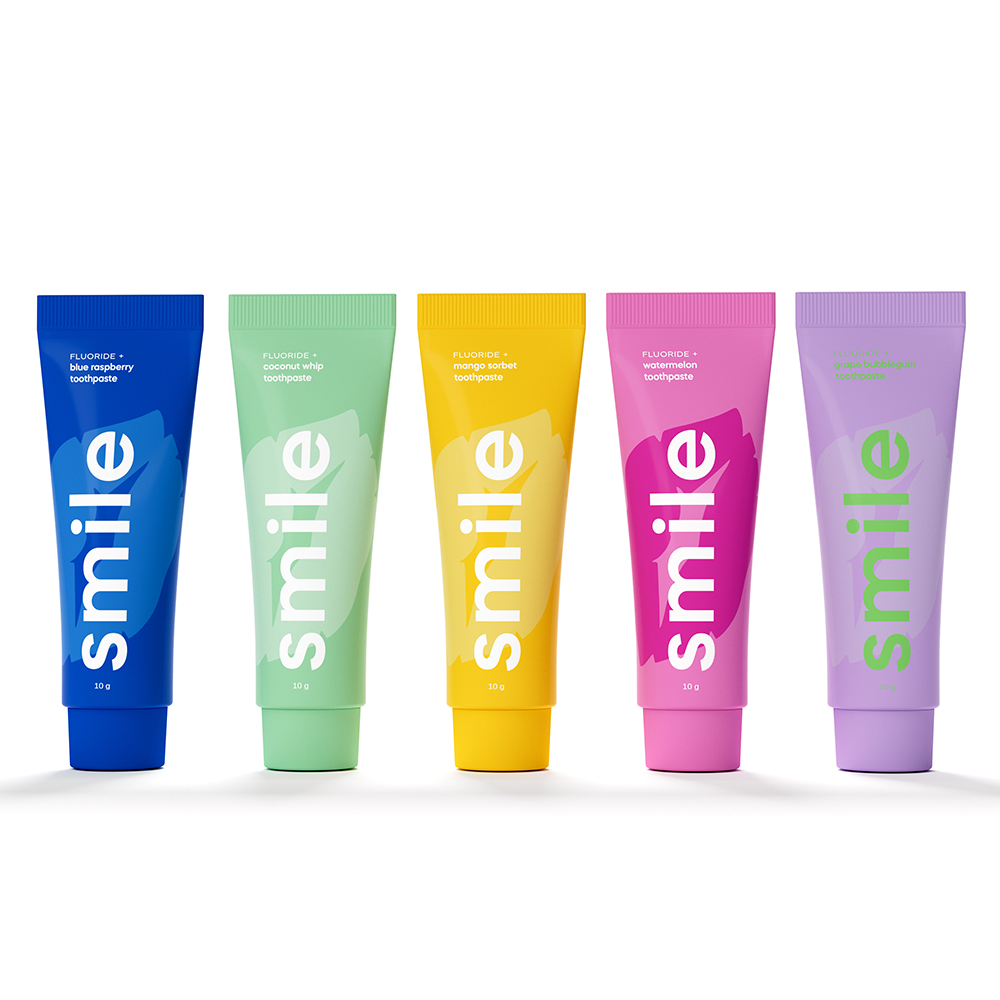
The ADA recommends whitening toothpastes with mild abrasives for managing surface stains. Used twice daily, they slow the accumulation of extrinsic staining between whitening sessions. They don't alter intrinsic tooth color, but they keep the enamel surface cleaner day to day.
When Staining Returns Faster Than Expected
If your teeth are restaining quickly despite careful habits, diet alone may not be the full picture.
Intrinsic staining doesn't respond to diet. The NIDCR distinguishes clearly between extrinsic stains — surface-level, diet-related — and intrinsic stains, which originate inside the tooth and are caused by factors like certain medications, fluorosis, or aging. No dietary change addresses internal discoloration. That requires a conversation with your dentist.
Enamel erosion changes the picture entirely. The FDA warns that acidic ingredients — including those found in some DIY whitening approaches — can permanently damage enamel. Thinner enamel allows the darker dentin layer underneath to show through, creating a yellowish appearance that has nothing to do with surface pigment. If you've used highly acidic products, the issue may be structural rather than dietary.
Dry mouth accelerates staining. Saliva buffers against both acid and pigment adhesion. Certain medications, health conditions, and chronic mouth breathing reduce saliva flow, leaving enamel more exposed. Unusually rapid restaining — even with a careful diet — is worth raising with a dental professional.
Building a Long-Term Routine Around Foods That Stain Teeth
Protecting whitening results long-term isn't about perfection. It's about building a system that works consistently without demanding unrealistic discipline.
The evidence points clearly to the first few days after whitening as the highest-risk window. After that, the focus shifts from restriction to management: reducing unnecessary exposure to foods that stain teeth, supporting enamel with calcium-rich and fibrous foods, and using water strategically throughout the day.
On the oral care side, brushing twice daily with a fluoride toothpaste, flossing once daily, and using a mild-abrasive whitening toothpaste consistently will do more for long-term brightness than any single dietary rule. Periodic touch-up whitening — at home or in-office — addresses the gradual staining that no diet can fully prevent.
Think of it as three interconnected layers: your diet slows the rate of staining, your daily brushing manages surface accumulation, and periodic whitening resets the baseline. Each layer supports the others. None works as well in isolation.
If you're unsure whether your staining is extrinsic or intrinsic, or if you want guidance on a maintenance schedule that fits your actual lifestyle, a dental professional can give you a clear answer — without asking you to give up your morning coffee forever.
References
- Fernández-Blanco M, et al. "White diet compliance after dental bleaching: a systematic review." Journal of Clinical and Experimental Dentistry. 2024. Available at: https://pmc.ncbi.nlm.nih.gov/articles/PMC11049513/
- American Dental Association. "Teeth Whitening." ADA Oral Health Topics. Available at: https://www.ada.org/resources/ada-library/oral-health-topics/teeth-whitening
- U.S. Food and Drug Administration. "Tooth Whitening Products." FDA Consumer Updates. Available at: https://www.fda.gov/consumers/consumer-updates/tooth-whitening-products
- National Institute of Dental and Craniofacial Research (NIDCR). "Tooth Decay." National Institutes of Health. Available at: https://www.nidcr.nih.gov/health-info/tooth-decay
Disclaimer
This article is for general informational purposes only and is not a substitute for professional dental or medical advice. Always consult a qualified dental professional before starting any teeth-whitening or oral-care regimen. WhiteningBright makes no warranties as to the completeness or accuracy of the information, and any reliance is at your own risk.