Whitening Compliance Docs Every Distributor Must File
28 июля 2026 г.

A market-by-market breakdown of whitening product compliance documentation — concentration limits, labeling mandates, and distributor filing requirements for EU, US, UK, Canada, and Australia.
Whitening Product Compliance Documentation: What Every Distributor Must File Before First Shipment
Distributors who treat whitening product compliance documentation as a post-shipment formality tend to encounter the same sequence of problems: product held at customs, retailer chargebacks, and shelf pulls that cost more than the initial order value. The documentation burden for teeth whitening products is higher than most oral care categories because the actives — primarily hydrogen peroxide and carbamide peroxide — are classified as drugs, cosmetics, or medical devices depending on the destination market. That classification determines everything downstream: labeling, testing, import pathway, and liability exposure. Getting it right starts before the supply agreement is signed.
This guide maps the minimum documentation requirements across five major import markets, with specific attention to concentration thresholds, labeling mandates, and the safety files your supplier must deliver before the first pallet ships.
Peroxide Concentration Thresholds: The Variable That Changes Everything
Concentration thresholds are the single most consequential variable in whitening product compliance documentation. The same gel formulation can be a legal consumer cosmetic in one market and a prescription-only product in another. Before placing any order, verify the hydrogen peroxide (H₂O₂) or carbamide peroxide equivalent against the destination market's current ceiling.
European Union
The EU Cosmetics Regulation sets 0.1% hydrogen peroxide as the consumer over-the-counter ceiling. Products containing between 0.1% and 6% H₂O₂ may only be supplied directly to dental practitioners on first use; the practitioner may then provide the product to the patient for the remainder of the treatment course. Products exceeding 6% H₂O₂ are not permitted for consumer sale under any pathway. Distributors sourcing for EU pharmacy or clinic channels must document which tier their product occupies — and that classification shapes every other item in the compliance file.
United States
The FDA classifies most over-the-counter whitening products as cosmetics when they function through surface-level action. Peroxide-based products carrying therapeutic claims — sensitivity reduction, cavity prevention — shift into drug territory and require an NDA or OTC monograph compliance pathway. The FDA's import and domestic compliance program (CP 7329.001) governs cosmetic product oversight at the port level, which means distributors must maintain records that support labeling accuracy and enforcement readiness before a shipment crosses the border. There is no single federally mandated concentration ceiling for cosmetic whitening, but label claims must be truthful and substantiated — a standard enforced jointly by the FDA and the FTC.
United Kingdom
Post-Brexit, the UK operates its own cosmetics framework, which mirrors the EU's pre-2021 structure. The 0.1% consumer OTC limit and the 6% dental-professional ceiling remain in force. Products must be notified through the UK Cosmetic Product Notification Portal (SCPN) rather than the EU's CPNP. Distributors supplying both GB and EU markets must file separately in each system — a common oversight that delays launch timelines by weeks.
Canada
Health Canada classifies whitening products containing hydrogen peroxide as either cosmetics or natural health products depending on concentration and the claims made on pack. Products carrying therapeutic claims require a Natural Product Number (NPN) or Drug Identification Number (DIN). Cosmetic-classified products require a Cosmetic Notification Form (CNF) submission within ten days of first sale. Documentation prepared for the EU does not transfer directly — the concentration thresholds, required warnings, and filing portals are distinct.
Australia
The Therapeutic Goods Administration (TGA) regulates whitening products containing more than 6% hydrogen peroxide as therapeutic goods, requiring inclusion on the Australian Register of Therapeutic Goods (ARTG). Products at or below 6% may be regulated as cosmetics under the Industrial Chemicals Act, but state-level dental regulations also apply to professional-use products. Distributors entering the Australian market should verify both federal TGA status and applicable state dental board restrictions before finalizing product specifications.
PAP and Non-Peroxide Actives: A Regulatory Gray Zone With Real Liability Risk
Phthalimidoperoxycaproic acid (PAP) and other non-peroxide whitening actives do not trigger the concentration-based restrictions that govern peroxide products in the EU, UK, or US. That creates a real commercial advantage for distributors targeting retail and direct-to-consumer channels. The risk is symmetrical: the absence of specific peroxide regulation also means the absence of established safety precedent at the regulatory level.
In the EU and UK, PAP-based products are notified as cosmetics without the tiered dental-professional restrictions. Distributors must still ensure their supplier provides a robust Cosmetic Product Safety Report (CPSR) with a specific toxicological assessment of the PAP active — not a generic template lifted from a peroxide formulation. Regulators have flagged exactly this gap in safety file quality.
In the US, the FTC's health products compliance guidance applies regardless of which active is used: any whitening efficacy claim must be backed by competent, reliable scientific evidence. A PAP formula without clinical substantiation data is a claims liability. Request that data before contracting, not after launch.
Mandatory Labeling Elements: Whitening Product Compliance Documentation at the Pack Level
Labeling errors are the most common cause of import refusal for whitening products. The elements below are non-negotiable across all major markets, though precise wording and placement requirements vary by jurisdiction.
- Product identity and function: The label must accurately describe what the product is and does. A cosmetic label cannot carry drug-level therapeutic claims without triggering drug registration requirements — misclassified claims are a primary enforcement trigger.
- Ingredient list (INCI format): Required in the EU, UK, Canada, and Australia. The US requires an ingredient declaration on cosmetics under the Fair Packaging and Labeling Act. Active ingredient concentration must be declared on US drug-classified products.
- Warnings and contraindications: The ADA confirms that whitening products are not effective on crowns, veneers, or other non-natural tooth surfaces, and that temporary sensitivity and gingival inflammation are documented adverse effects. Market-specific warning language — including the EU restriction prohibiting use by persons under 18 without dental supervision — must appear verbatim as required.
- Net quantity and batch identification: Required universally. Batch coding underpins post-market surveillance and recall capability.
- Responsible person or importer details: EU and UK regulations require a named responsible person with an address in the market. US regulations require a domestic address for the manufacturer or distributor.
- Country of origin: Required for US imports and recommended for all markets to support customs clearance without delay.
The FDA's label claim substantiation standard applies directly here: claims must be truthful, not misleading, and supported by evidence held in the compliance file. The FTC enforces the same standard for any health-related marketing claim made in connection with the product.
The CPSR: What It Covers and When Your Supplier Must Deliver It
The Cosmetic Product Safety Report is the foundational document for whitening products sold in the EU and UK. It must be completed by a qualified safety assessor — typically a toxicologist — and covers two components: a safety information section compiling all ingredient, formulation, and exposure data, and an assessment section recording the assessor's conclusions on product safety for its intended use and population.
For peroxide-containing products, the CPSR must specifically address the active concentration, the exposure scenario (professional application versus at-home use), and the population at risk. A CPSR written for a 0.1% H₂O₂ consumer strip does not cover a 3% professional-use gel. These are distinct documents with distinct assessments.
Require the CPSR as a named contract deliverable, not a post-launch document. If a supplier cannot provide a market-specific CPSR before shipment, that is a disqualifying gap — not a negotiating point. In the US, while the CPSR is not a statutory requirement, an equivalent safety substantiation file — including toxicology data, clinical or consumer use data, and adverse event procedures — supports FDA enforcement readiness under CP 7329.001 and is considered best practice by qualified compliance counsel.
Certifications That Apply to Whitening Products: FDA, CE, and ISO
Certification requirements follow product classification, not the product category name. A whitening product labeled "professional use" does not automatically require medical device certification — but a product making a therapeutic claim, or one that is invasive in its application method, may trigger that pathway.
| Certification / Standard | Applies To | When Required |
|---|---|---|
| FDA Cosmetic Registration (MoCRA) | Cosmetic whitening products sold in the US | Facility registration and product listing required under the Modernization of Cosmetics Regulation Act for products distributed in the US market |
| CE Marking (Medical Device) | Products classified as medical devices in the EU | Required if the product makes a therapeutic claim or is classified under EU MDR 2017/745 |
| ISO 22716 | Cosmetic manufacturing facilities | Required for EU/UK CPSR completion; strongly recommended for US and Australian market documentation |
| ISO 11135 / ISO 11137 | Sterilized device components | Applicable only if the whitening system includes a device element requiring sterility validation |
Request ISO 22716 Good Manufacturing Practice certificates from any supplier co-developing a private-label whitening line. This certificate confirms the manufacturing environment meets the standard that EU and UK safety assessors require when completing the CPSR — without it, the safety assessment cannot be finalized.
The Minimum Compliance File: What to Have in Hand Before First Shipment
A compliance file is a structured set of records demonstrating that a product is legally marketable in its target jurisdiction. The list below represents the minimum viable file for a whitening product entering any major regulated market. Gaps in this set are not administrative oversights — they are grounds for customs hold, market withdrawal, or retailer refusal.
- Product specification sheet — confirmed active ingredient identity and concentration, full INCI ingredient list, physical form, and intended use declaration.
- Safety assessment (CPSR or equivalent) — market-specific, signed by a qualified assessor, covering the actual formulation and concentration being commercialized.
- Manufacturing certificate (ISO 22716 or equivalent GMP) — confirms the production facility meets the standards required by the destination market's regulatory framework.
- Finished label artwork with regulatory sign-off — reviewed against destination market labeling requirements, with documented confirmation that all mandatory elements are present and accurate.
- Claims substantiation file — clinical data, consumer use data, or competent scientific evidence supporting every efficacy or benefit claim made on pack or in marketing materials, as required by FDA and FTC guidance.
- Market notification or registration confirmation — CPNP submission confirmation for the EU, SCPN for the UK, CNF for Canada, ARTG listing for Australia, MoCRA product listing for the US.
- Adverse event procedure — documented process for receiving, recording, and reporting adverse events, required under EU and UK regulation and considered best practice in all markets.
Private-label buyers co-developing a whitening line should build these deliverables into the product development timeline — not treat them as a checklist item after the formulation is locked. The compliance file is a product asset, not a filing exercise.
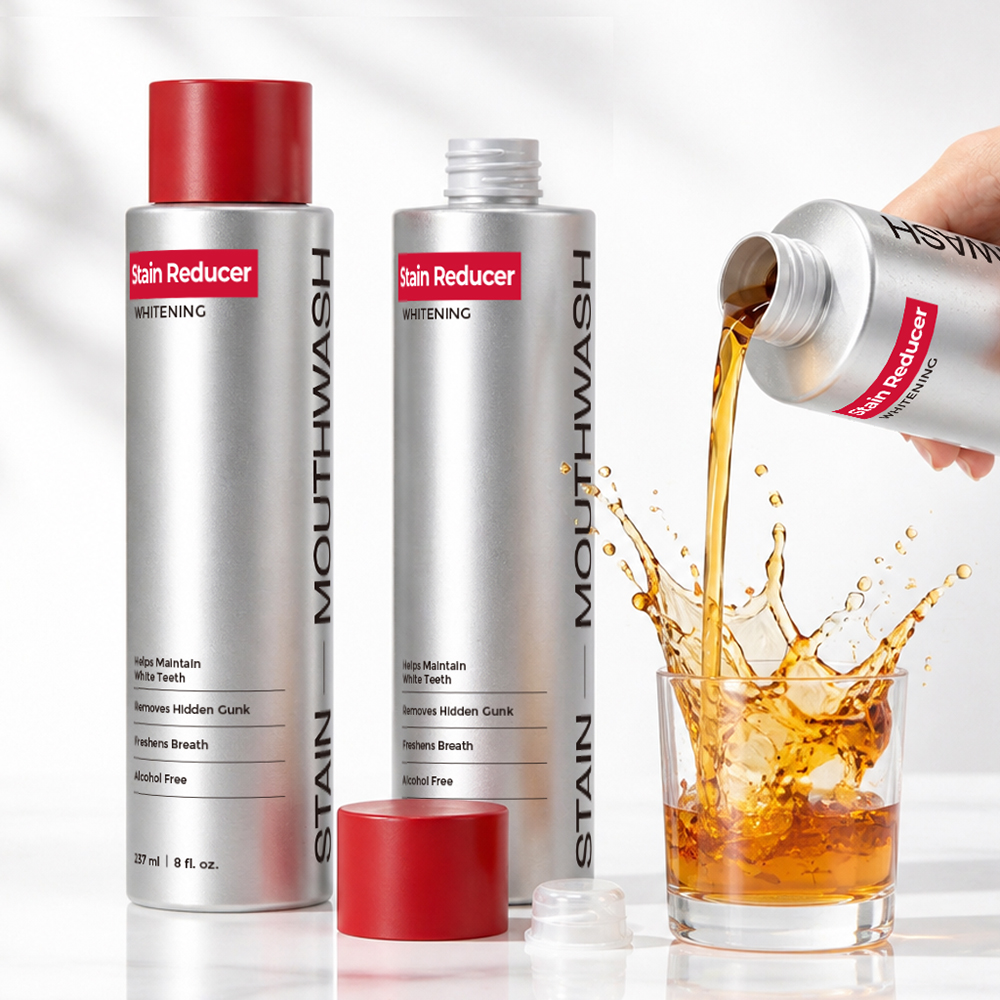
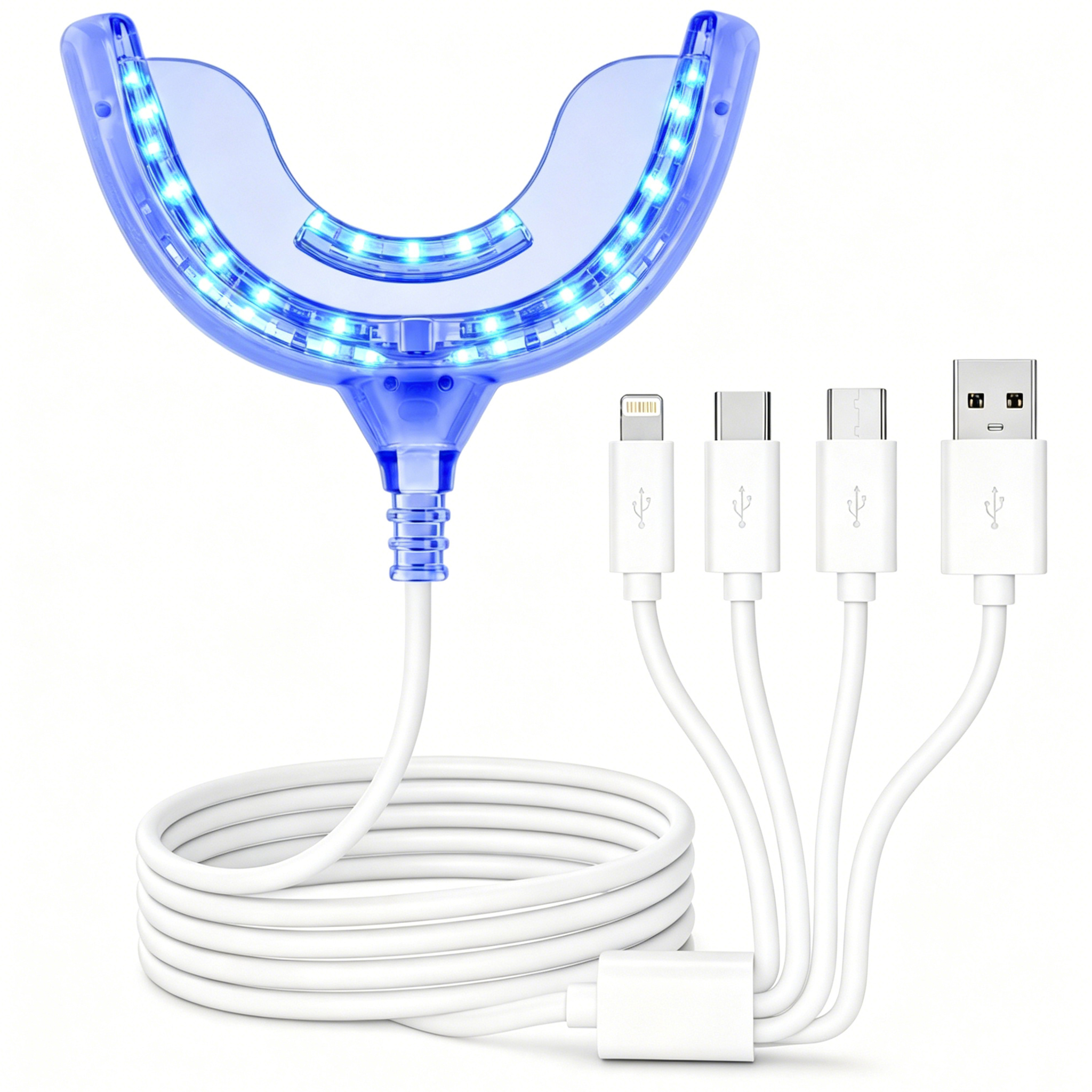
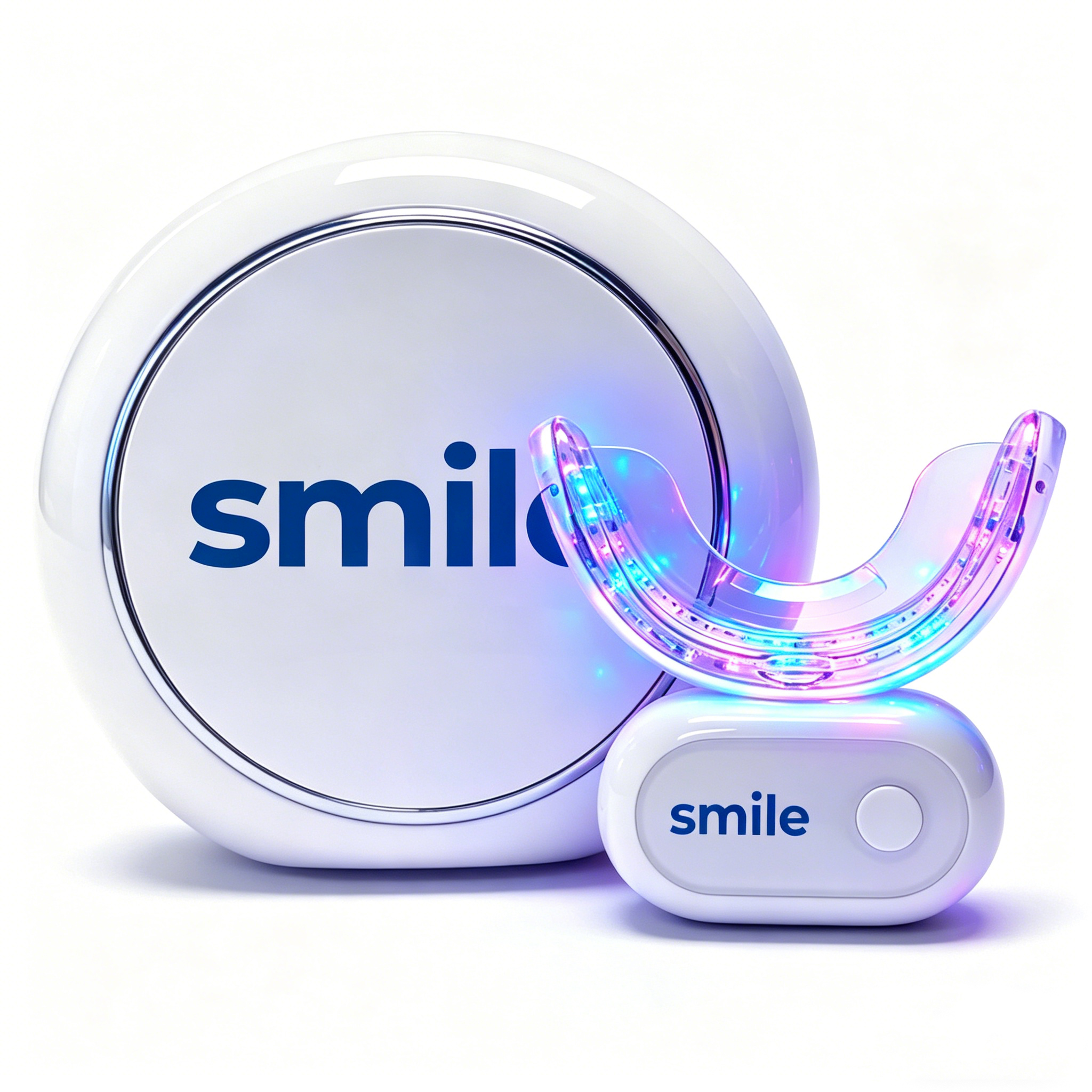
For a closer look at whitening formulations engineered for regulatory compliance across these markets, see the WhiteningBright product range.
References
- American Dental Association — Oral Health Topics: Whitening
- FDA — Cosmetics Program Import and Domestic Compliance Program (CP 7329.001)
- FTC — Health Products Compliance Guidance
- FDA — Skin Product Safety: Ingredient Verification and Label Accuracy
- PubMed — Home-Based Chemically-Induced Whitening (Bleaching) of Teeth in Adults (Cochrane Review, cited by ADA)
Disclaimer
This article is for general informational purposes only and does not constitute sourcing, legal, or regulatory advice. Always conduct your own due diligence and consult qualified legal or compliance professionals before making purchasing or compliance decisions. WhiteningBright makes no warranties as to the completeness or accuracy of the information, and any reliance is at your own risk.