Converting Whitening Clients Into Recurring Revenue
16 سبتمبر 2026
Turn single whitening appointments into whitening service recurring revenue with proven bundle structures, membership pricing, and maintenance protocols for clinics and spas.
Why Single-Session Whitening Is a Revenue Ceiling, Not a Business Model
If your whitening service ends when the client leaves the chair, you have a transaction — not a revenue stream. Dental clinic owners and spa operators who want to build whitening service recurring revenue into their business model hit a structural ceiling with the single-session approach: it trades chair time for a one-time fee and resets to zero with every new booking.
The clinical evidence reinforces the problem. Research published in Clinical Oral Investigations confirms that at-home bleaching results have a defined prognosis — color regression is expected over time, and maintenance is a predictable clinical need, not an optional upsell. Every whitening client you treat will require follow-up care. The question is whether they receive it from you or from a retail shelf.
Practices that design their service menu around that clinical reality convert the maintenance window into a retention asset. Those that don't surrender measurable revenue to whoever sells the client their next whitening strip.
The Maintenance Gap: Where Practices Leave Recurring Revenue Behind
Most whitening protocols are engineered around the initial treatment outcome. Very few account for what happens at 30, 60, or 90 days post-treatment — precisely when color regression begins and client re-engagement becomes both clinically appropriate and commercially valuable.
The systematic review on at-home bleaching prognosis published in Clinical Oral Investigations is direct on this point: whitening results are not permanent, and the durability of outcomes depends on patient compliance with ongoing maintenance. That maintenance window is where the gap lives — and where most practices have no defined re-care pathway.
Without a structured protocol, clients self-manage with whatever over-the-counter product they find convenient. Evidence on OTC whitening agents reviewed in PubMed draws a clinically important distinction: whitening strips can deliver meaningful shade change, while dentifrices primarily address extrinsic surface staining rather than intrinsic shade. If your clients are relying on whitening toothpaste between appointments, they are not maintaining their result — they are managing surface buildup. That gap is your opportunity.
Building a Retention Protocol Around Your Product Selection
A retention protocol is only as durable as the products that anchor it. Before designing membership pricing or package structures, your product selection must map to three distinct points in the client journey: the in-office treatment, the take-home phase, and ongoing maintenance.
Three Protocol Positions to Fill
- In-office treatment: Higher-concentration professional gel — hydrogen peroxide or carbamide peroxide formulations used under clinical supervision. The ADA's current policy position supports professionally applied whitening being determined by a licensed dentist, which reinforces the clinical authority of this tier and creates the foundation for the re-care conversation.
- Take-home phase (weeks 1–4): Custom-tray systems or prefilled strip formats with moderate active concentrations. PAP-based formulations have gained significant traction at this stage for sensitivity-prone clients — they deliver whitening action without the peroxide-associated sensitivity profile that causes some clients to abandon the protocol early.
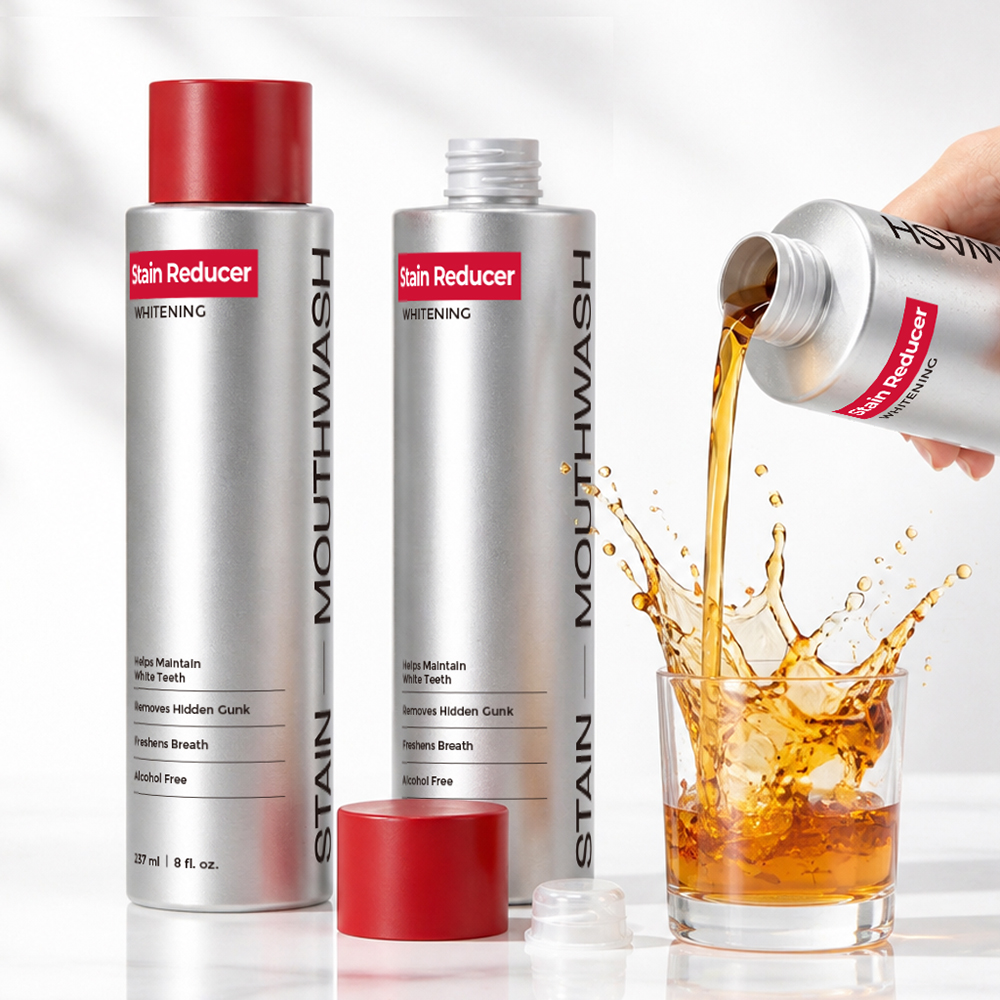
- Maintenance phase (month 2 onward): Lower-concentration daily or weekly formats — whitening pens, maintenance strips, or low-dose tray gels. These are the consumables that drive repurchase behavior and belong on your retail shelf, not at a pharmacy down the street.
When your product line covers all three positions, the protocol has natural handoff points. Each handoff is a structured re-engagement moment — not a cold outreach, but a clinically logical next step the client is already anticipating.
Membership and Package Structures That Generate Whitening Service Recurring Revenue
Not every membership model is suited to whitening. Generic wellness bundles that treat whitening as a minor add-on tend to undervalue the service and attract price-sensitive clients who churn at the first discount they find elsewhere. Whitening-specific structures anchored to clinical outcomes perform better on retention.
Three Package Structures Worth Evaluating
- Treatment + Maintenance Bundle: One in-office session paired with a defined take-home kit — tray gel or strip system — sold as a single SKU at the point of service. This eliminates the decision gap between the appointment and the maintenance phase. Clients leave with the next step already in hand, which closes the window where self-managed OTC products enter the picture.
- Quarterly Re-care Membership: A flat monthly or quarterly fee covering one in-office touch-up per quarter and a monthly maintenance product. This model works well for dental practices that schedule predictably and for spas with a stable client base. It converts whitening from a discretionary purchase into a recurring budget line item.
- Annual Whitening Plan: Two in-office sessions per year plus quarterly take-home product shipments or pickups. This is the highest-commitment tier and suits clients already invested in their result. Price it to reflect the full retail value of all included services and products — position the membership discount as the incentive for commitment, not as a markdown on the service itself.
Research comparing treatment durations and whitening outcomes across approaches, published in PubMed, supports tiered re-treatment intervals: different whitening methods produce results that vary in intensity and duration. A fixed re-care schedule applied uniformly across clients is clinically imprecise. Membership tiers that accommodate individual maintenance timing are more defensible — and more likely to retain clients with different lifestyle and pigmentation profiles.
Which Take-Home Formats Drive the Highest Repurchase Rate
Repurchase behavior in whitening is driven by two factors: perceived efficacy and ease of use. A format that works but inconveniences the client gets abandoned. A format that is easy but produces no visible result does not get reordered. The formats with the strongest repeat-purchase performance sit at the intersection of both.
Format Performance by Channel
| Format | Repurchase Driver | Best Fit |
|---|---|---|
| Custom tray gel refills | Client already owns the tray; refill purchase is low friction | Dental practices with in-house tray fabrication |
| Prefilled whitening strips | No equipment required; portable; clinically supported outcomes | Spas, DTC brands, pharmacy retail |
| Whitening pens | Daily-use habit formation; low per-unit cost entry point | Maintenance phase; travel retail |
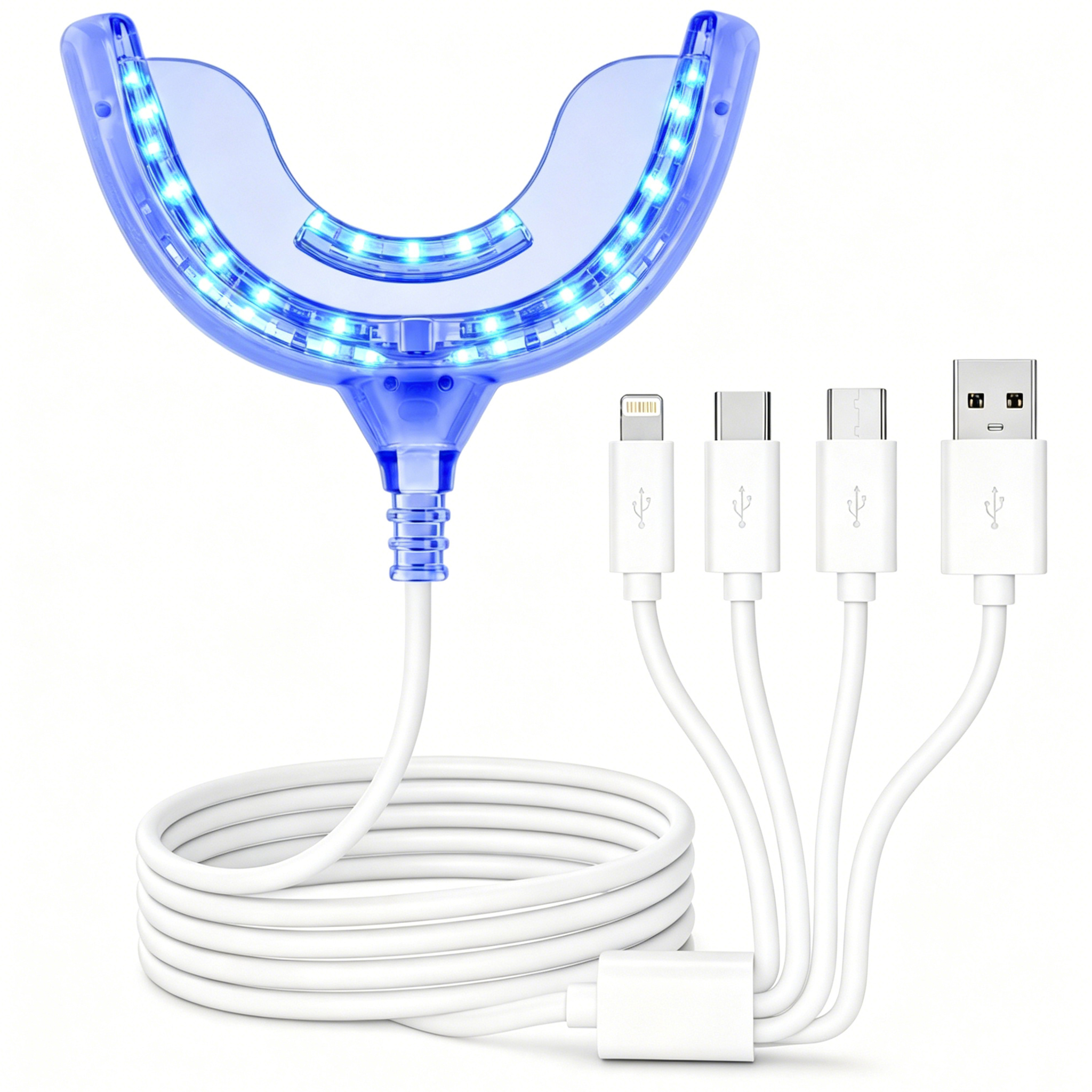
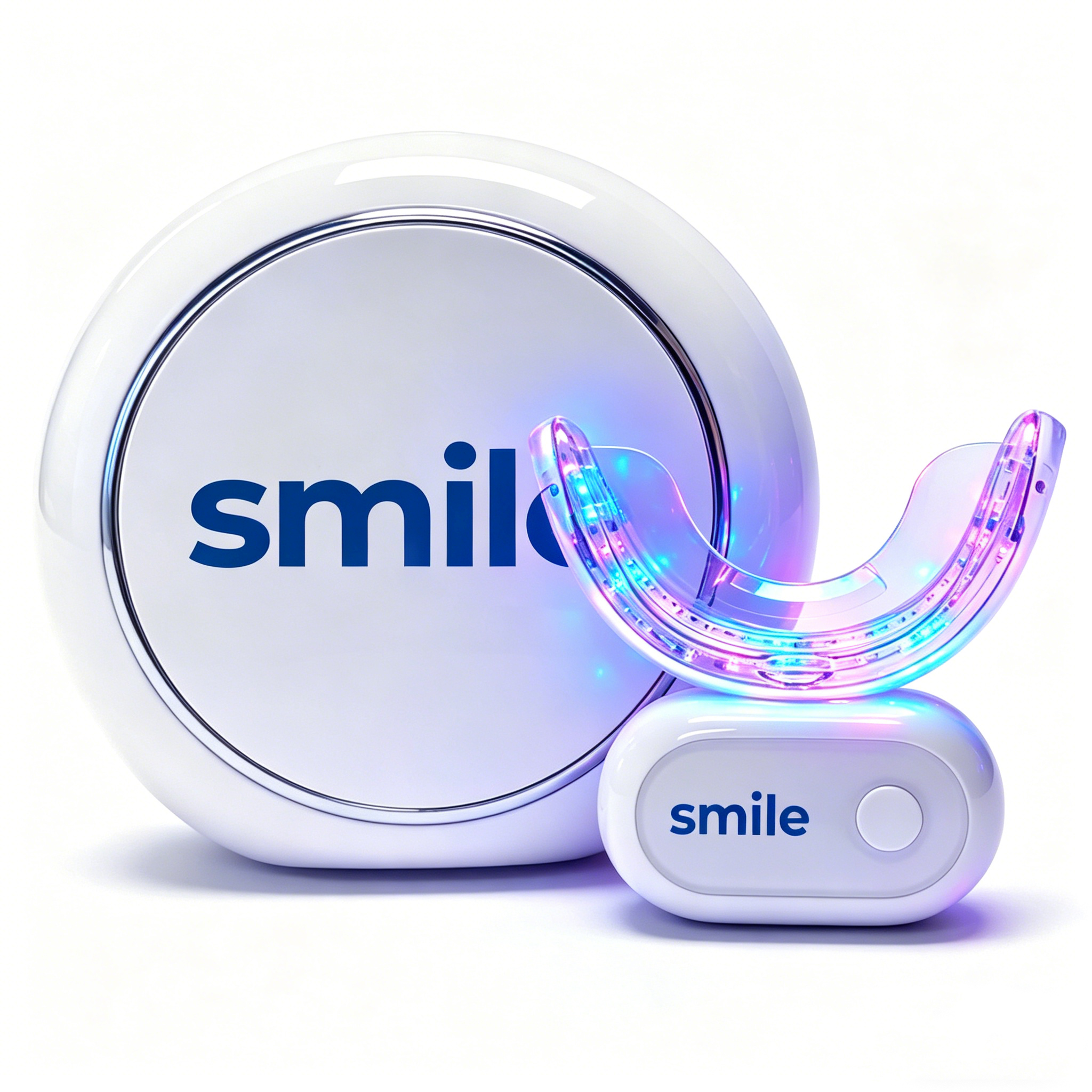
| LED kit with gel pods | Device creates ongoing consumable dependency | Premium retail; gift-with-purchase programs |
The custom tray refill model is particularly strong for dental practices because the tray itself creates a meaningful switching cost. A client with a professionally fabricated tray has an asset that only works with compatible gel — and if you supply that gel, you own the repurchase relationship. Factor this into your initial service pricing: the tray is not only a treatment tool, it is a retention mechanism with measurable downstream value.
For spa operators without tray fabrication capability, prefilled strip systems are the most practical high-repurchase format. Evidence reviewed in PubMed confirms strips can deliver clinically meaningful whitening outcomes, which gives you a credible retail product to stand behind — not simply a branded accessory.
Tracking Return Intervals to Forecast Whitening Service Recurring Revenue
Whitening service recurring revenue is forecastable — but only if you track return intervals systematically. Most practices track appointments. Far fewer track the gap between a client's first whitening session and their first maintenance product purchase, or between their first and second in-office re-treatment.
Those intervals are your forecasting data. Once you have 90 days of post-launch behavior from a structured retention protocol, you can model consumable demand with reasonable accuracy. If your average client repurchases take-home gel on a 45-day cycle and you carry 80 active whitening clients, you have a predictable consumable order rhythm — one that directly informs inventory planning and supply negotiations.
For distributors and private-label brand owners supplying practices or spas, this is the metric that matters most when a buyer asks about reorder frequency. A practice that has modeled its client return intervals is a buyer who can commit to consistent volume — and that changes the sourcing conversation entirely.
Sourcing for a Retention-First Whitening Model
When whitening service recurring revenue is a deliberate business objective, your sourcing strategy must match. Purchasing in ad hoc quantities from multiple suppliers creates formulation inconsistency, packaging variation, and gaps in client experience — all of which erode the trust that retention depends on.
What to Evaluate Before Committing to a Supply Relationship
- Formulation consistency: Clients who notice a difference in texture, shade performance, or sensitivity response between one order and the next will attribute that variance to your practice, not your supplier. Require batch documentation and stability data before committing to a retail SKU.
- Regulatory compliance: For peroxide-based products, verify concentration limits comply with the applicable regulatory framework — FDA guidelines for the US market, CE marking requirements for the EU, and equivalent standards in your jurisdiction. For PAP-based formulas, confirm ingredient classification before retail placement. Non-compliant products cannot be sold through professional channels and expose your practice to liability.
- Private-label readiness: If you are building a branded retail line around your whitening service, work with a supplier that can co-develop formulations to your specifications and deliver consistent packaging across SKUs. A co-developed, private-label ready product line gives you margin control and brand equity that a resold generic cannot.
- Minimum order alignment: A dental practice ordering maintenance gel for 80 active clients per quarter has fundamentally different volume needs than a distributor placing large-run orders. Confirm that your supplier's minimums align with your actual consumption — over-ordering to meet thresholds ties up capital and risks shelf-life issues with peroxide-based formulations.
- Shelf life from manufacture date: Peroxide gels degrade over time, particularly outside controlled storage conditions. Confirm shelf life from the manufacture date, not your receipt date, and build transit time into your planning. A product with a 12-month shelf life that spends three months in a distribution warehouse arrives with nine months of usable stock — plan your order cycles accordingly.
The supply relationship that supports a retention-based whitening model is not a spot-buy arrangement. It is a supply partnership with predictable volume, consistent formulation, and a shared interest in the end client's experience. That framing changes how you evaluate suppliers — and how the best suppliers evaluate you.
References
- Prognosis in home dental bleaching: a systematic review — Clinical Oral Investigations, Springer
- Treatment Durations and Whitening Outcomes of Different Approaches — PubMed, National Library of Medicine
- Tooth whitening: current status and prospects — PubMed, National Library of Medicine
- Current Policies on Tooth Whitening — American Dental Association
Disclaimer
This article is for general informational purposes only and does not constitute sourcing, legal, or regulatory advice. Always conduct your own due diligence and consult qualified legal or compliance professionals before making purchasing or compliance decisions. WhiteningBright makes no warranties as to the completeness or accuracy of the information, and any reliance is at your own risk.