How Long Do Whitening Strips Actually Take to Work
June 25, 2026
Learn exactly how long whitening strips take to show results — by formula strength, stain type, and format — backed by clinical research.
Why "Results Vary" Is Not a Real Answer
Search how long whitening strips take to work and you will find the same non-answer repeated everywhere: results vary by individual. That is technically accurate and completely unhelpful. What you need is a timeline you can plan around — and a clear explanation of why that timeline shifts depending on the formula you are using, the type of staining you have, and how consistently you apply the product.
This article gives you day-by-day expectations grounded in clinical research, a breakdown of why some people see changes faster than others, and the specific habits that quietly extend your timeline without you realizing it.
How Whitening Agents Actually Work on Enamel
Whitening strips deliver an active bleaching agent — most commonly hydrogen peroxide or PAP (phthalimidoperoxycaproic acid) — directly onto the tooth surface. Hydrogen peroxide is a small molecule. It diffuses through porous enamel and reaches the organic compounds responsible for discoloration, then breaks the chemical bonds holding those pigmented molecules together.
This process is cumulative, not instant. Each application oxidizes another layer of stain molecules. That is why consistent daily use compounds into visible results over one to four weeks, while a single session produces almost nothing noticeable. Higher concentrations accelerate the oxidation process but also raise the risk of temporary sensitivity.
PAP-based formulas work through a similar oxidation pathway but without releasing free radicals — which is why they are associated with lower sensitivity. The practical trade-off is a longer treatment window to reach comparable results.
How Long Whitening Strips Take: Format-by-Format Timelines
Whitening strips are the most clinically studied over-the-counter format available. According to a trial published in the Journal of Dentistry (PubMed ID 39862914), strips formulated with 6% hydrogen peroxide produce perceptible color changes in the majority of users within 5–7 days. Strips using 3% hydrogen peroxide — or PAP-enhanced alternatives — typically require 10–14 days before changes become clearly visible to the user.
A 2026 study published in Frontiers in Oral Health confirmed that even low-concentration strips at 3% hydrogen peroxide deliver satisfactory bleaching outcomes after 14 days, with shade values improving significantly and the formula well-tolerated by participants. Research reviewed by Today's RDH confirms that results plateau at approximately 28 days — extending treatment beyond that window offers diminishing returns regardless of concentration.
Whitening Gels Applied by Tray
Tray-applied gels follow a comparable timeline to strips at equivalent concentrations. The tray format maintains consistent contact across the full tooth surface, which can produce more even coverage than strips. Expect initial visible change within 7–14 days, with full results developing over three to four weeks of consistent use.
Whitening Pens
Pens are designed for maintenance and convenience rather than primary treatment. The thin layer of gel deposited by a brush tip delivers a lower volume of active ingredient per session. As a standalone whitening method, pens require significantly more time — often several weeks — and are unlikely to match the shade change produced by a strip or tray course. They work best as a follow-up tool after an initial treatment.
Whitening Powders and Pastes
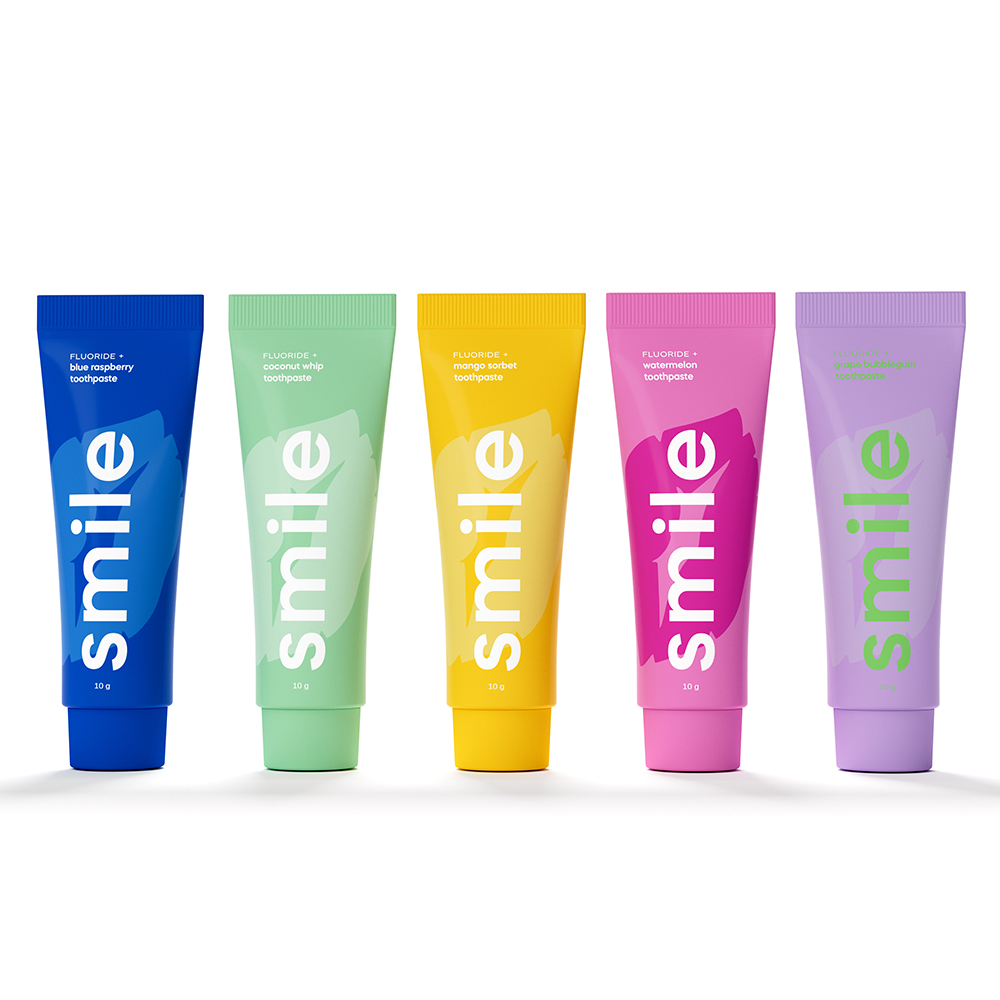
Most powders and pastes work through mild abrasion and surface-stain removal rather than chemical bleaching. They can improve the appearance of surface staining relatively quickly for users whose discoloration comes from coffee, tea, or tobacco residue. They do not penetrate enamel to address deeper intrinsic discoloration. If staining is primarily surface-level, visible improvement can appear within a week. If the discoloration is internal, powders and pastes alone will not produce meaningful change.
LED Whitening Kits
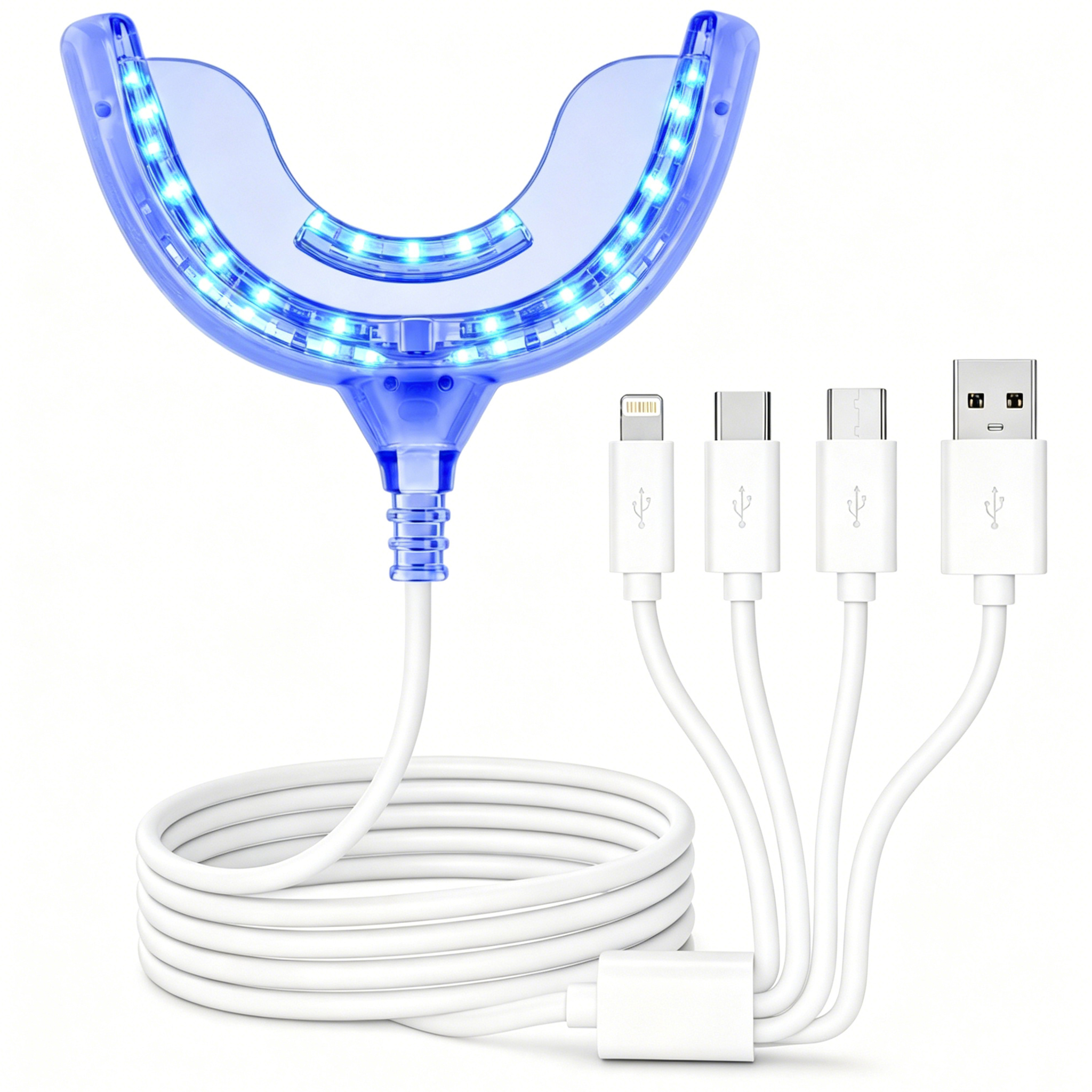
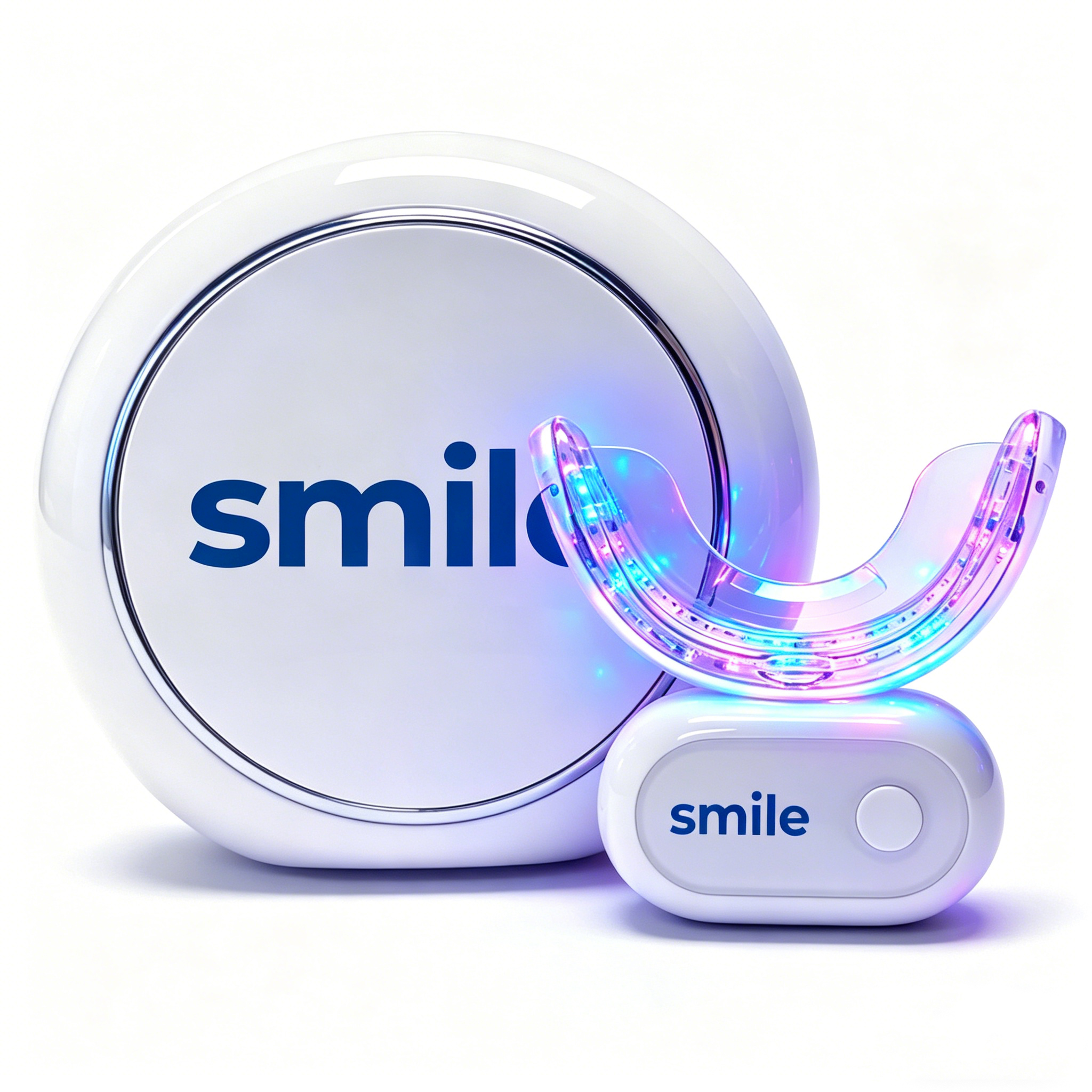
At-home LED kits pair a peroxide or PAP gel with a light-emitting device intended to accelerate bleaching activation. Clinical evidence on whether consumer-grade LED light meaningfully speeds up results compared to gel alone remains mixed. The gel concentration and formula quality matter far more than the light component. Treat the timeline as equivalent to the gel format: visible results in 7–14 days, with full results over three to four weeks of consistent use.
Stain Type: The Variable That Changes How Long Whitening Strips Take Most
The type of discoloration you are treating has more influence over your timeline than any other single factor. There are two distinct categories.
Extrinsic stains sit on or just beneath the enamel surface. These develop from food, drink, tobacco use, and inconsistent brushing. They respond well to peroxide-based whitening and typically show improvement within the first week of treatment with a 6% formula.
Intrinsic stains are embedded within the dentin layer. They develop from aging, certain medications — particularly tetracycline antibiotics taken during tooth development — trauma, or fluorosis. These stains respond much more slowly to over-the-counter whitening, if they respond at all. A review published by the National Library of Medicine ("Tooth Whitening: What We Now Know") notes that whitening strips are best suited to mild discoloration and may not adequately address severe intrinsic staining, which often requires professional-grade treatment.
If you have used 6% hydrogen peroxide strips correctly for two full weeks with no visible change, intrinsic staining is a likely explanation — not a product failure.
Habits That Quietly Extend Your Timeline
Published timelines assume consistent and correct use. Several common habits undermine that consistency without feeling significant in the moment.
- Eating or drinking immediately after removal. Most strips and gels require a 30-to-60-minute window after use before consuming anything that could reintroduce staining compounds or dilute the bleaching agent still active on the enamel surface.
- Skipping applications. Whitening is cumulative. Missing two or three sessions in a 14-day course effectively pushes your visible results back by a similar number of days. Consistency matters more than any single application.
- Applying strips over wet teeth. Saliva dilutes peroxide concentration and weakens strip adhesion. Lightly drying your teeth before application improves contact time and product performance measurably.
- Continuing high-staining foods during treatment. Coffee, red wine, tomato-based sauces, and dark berries reintroduce chromogens — the pigment compounds responsible for staining — during a period when enamel pores are temporarily more open. Reducing these during your treatment course produces a measurable difference in final results.
- Matching the wrong product to your stain type. Using a surface-action powder for intrinsic staining, or a low-concentration pen as your primary treatment, will produce slow or negligible results regardless of how consistent you are.
When to Reassess: Product Timing vs. Product Fit
There is a clear difference between a product that needs more time and a product that is not suited to your situation.
If you are using a 6% hydrogen peroxide strip correctly and see no change after 14 days, it is reasonable to reassess. The research supports clear visible improvement within that window for most users with extrinsic staining. No change after two weeks points to intrinsic discoloration requiring professional treatment, or to heavy calculus buildup that is physically preventing the bleaching agent from reaching the enamel surface — a dentist can confirm this quickly.
If you experience significant sensitivity or gum irritation, stop use and allow several days for recovery. Sensitivity during whitening is common and usually temporary. Pain that persists beyond 48 hours after stopping treatment warrants a conversation with a dental professional. Switching to a lower-concentration formula or a PAP-based alternative is a practical first step before abandoning the treatment entirely.
If results are appearing but more slowly than expected, check your habits before concluding the product is not working. The majority of timeline disappointments trace back to inconsistent application or ongoing exposure to staining foods and drinks during the treatment window.
Maintaining Results After You Reach Your Target Shade
Reaching your target shade is the beginning of a maintenance habit. Enamel continues to absorb pigment from food and drink after treatment ends, so some degree of restaining over time is inevitable.
Most dental professionals recommend a short maintenance session — typically a brief strip or pen application — once every four to eight weeks depending on dietary habits and how quickly your teeth tend to restain. This is far less intensive than the initial course and sufficient to keep results stable without repeated full treatment cycles.
Several daily habits extend results significantly between maintenance sessions:
- Brushing within 30 minutes of consuming heavily pigmented food or drink removes surface chromogens before they bond to enamel.
- Using a straw for coffee, tea, and dark beverages reduces direct contact between pigmented liquids and tooth surfaces.
- A whitening toothpaste used once daily — as a complement to bleaching treatment, not a replacement — helps manage surface staining between maintenance sessions.
The goal is not to whiten indefinitely. It is to establish a stable baseline shade and hold it with minimal ongoing effort. Once you know how long whitening strips take to reach that baseline for your stain type and formula, managing the maintenance phase becomes straightforward.
References
- Frontiers in Oral Health (2026) — Low-concentration hydrogen peroxide whitening strips: bleaching efficacy and tolerability after 14 days
- PubMed ID 39862914 — Journal of Dentistry (2025) — Randomized trial: OTC hydrogen peroxide whitening strips, color change and enamel integrity over 5–28 days
- Today's RDH — Research review: efficacy of dental whitening options, shade improvement and plateau timelines
- National Library of Medicine / PMC — "Tooth Whitening: What We Now Know" — intrinsic vs. extrinsic staining and OTC whitening suitability
Disclaimer
This article is for general informational purposes only and is not a substitute for professional dental or medical advice. Always consult a qualified dental professional before starting any teeth-whitening or oral-care regimen. WhiteningBright makes no warranties as to the completeness or accuracy of the information, and any reliance is at your own risk.