Whitening Product Mix That Protects Per-Chair Margin
October 18, 2026
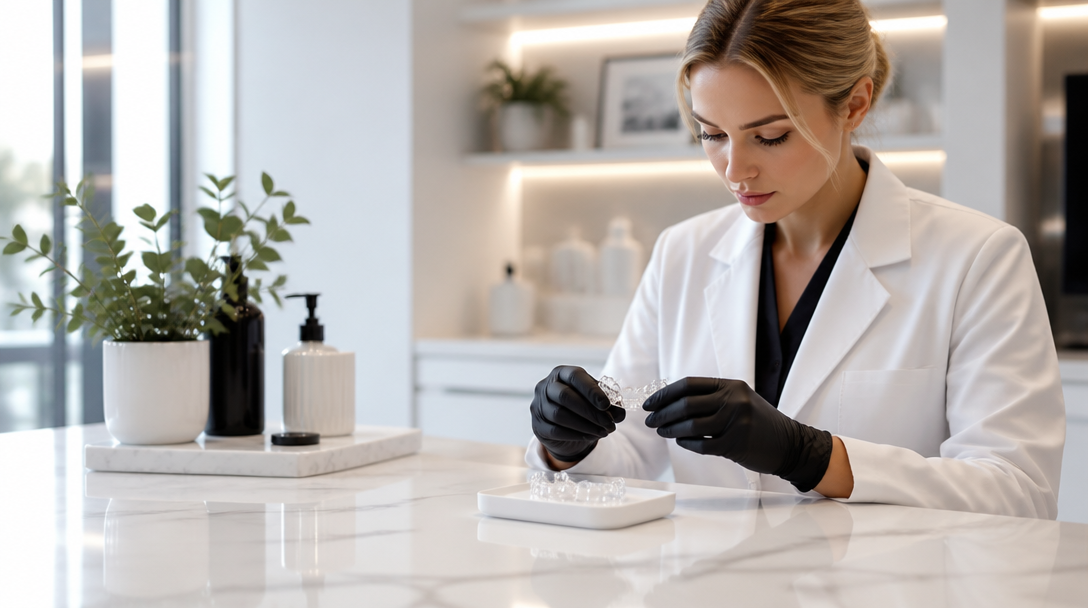
How whitening service product selection — ingredient, format, and bundle design — directly protects per-chair margin for dental clinics and spa operators.
Whitening Service Product Selection Is a Margin Decision First
Most clinic owners and spa operators treat whitening service product selection as a compliance exercise. The margin consequences arrive later — in reorder invoices, in chair time that doesn't convert to revenue, and in service tiers priced against competitor benchmarks rather than actual cost structure. Aligning product selection to margin mechanics from the start is how you protect per-chair profitability before it quietly erodes.
This article works through the specific decisions — active ingredient, format, bundle structure, sensitivity accommodation, and inventory discipline — that determine whether your whitening menu generates consistent margin or underperforms at every tier.
Matching Active Ingredient to Service Tier
Hydrogen peroxide (HP), carbamide peroxide (CP), and peroxide-free alternatives (PAP-based) are not interchangeable. Each belongs at a specific point in your service architecture. Misaligning them costs margin in both directions — over-specifying adds unnecessary risk and consumable cost; under-specifying limits your pricing ceiling.
In-office HP treatments anchor your highest-margin tier. Current evidence supports moderate concentrations — approximately 25–35% hydrogen peroxide — as producing whitening outcomes comparable to higher concentrations, with a meaningfully lower sensitivity profile. Running higher concentrations does not improve results; it increases the risk of post-treatment sensitivity complaints and the chair time required to manage them.
CP-based take-home trays sit in the mid-tier. CP releases hydrogen peroxide more slowly, making it well-suited to overnight or extended-wear protocols. Supervised home bleaching results have shown stability over a meaningful multi-year window in most patients, with greater relapse occurring in severe discoloration cases. That durability supports positioning supervised take-home as a premium offering — not a discounted alternative to in-chair treatment.
PAP-based formulas serve a distinct segment: patients with documented sensitivity, those on restorative timelines, or spa clients in jurisdictions where peroxide concentrations are regulated. PAP is not a lower-tier ingredient — it is a clinically appropriate alternative for a specific patient profile. Price it at parity with your standard in-chair offering, differentiated by clinical rationale rather than ingredient cost.
How Format Choice Shapes Whitening Service Product Selection Margin
The format decision — in-chair treatment, take-home kit, or a combined protocol — is where whitening service product selection most directly shapes margin per visit.
In-chair treatments carry higher consumable costs: gel, barriers, disposables, and the chair time itself. They justify a higher service price, but only when the cost-per-treatment is calculated accurately and the pricing reflects it. Many operators set in-chair prices against competitor benchmarks rather than their own cost structure — a reliable way to compress margin from day one.
Take-home kits, positioned as supervised professional products rather than retail afterthoughts, generate revenue without consuming chair time. The evidence on take-home durability means a well-structured take-home program is a genuine clinical service. Operators who build take-home into a combined protocol — in-chair session followed by a maintenance kit — increase revenue per visit without proportionally increasing chair time.
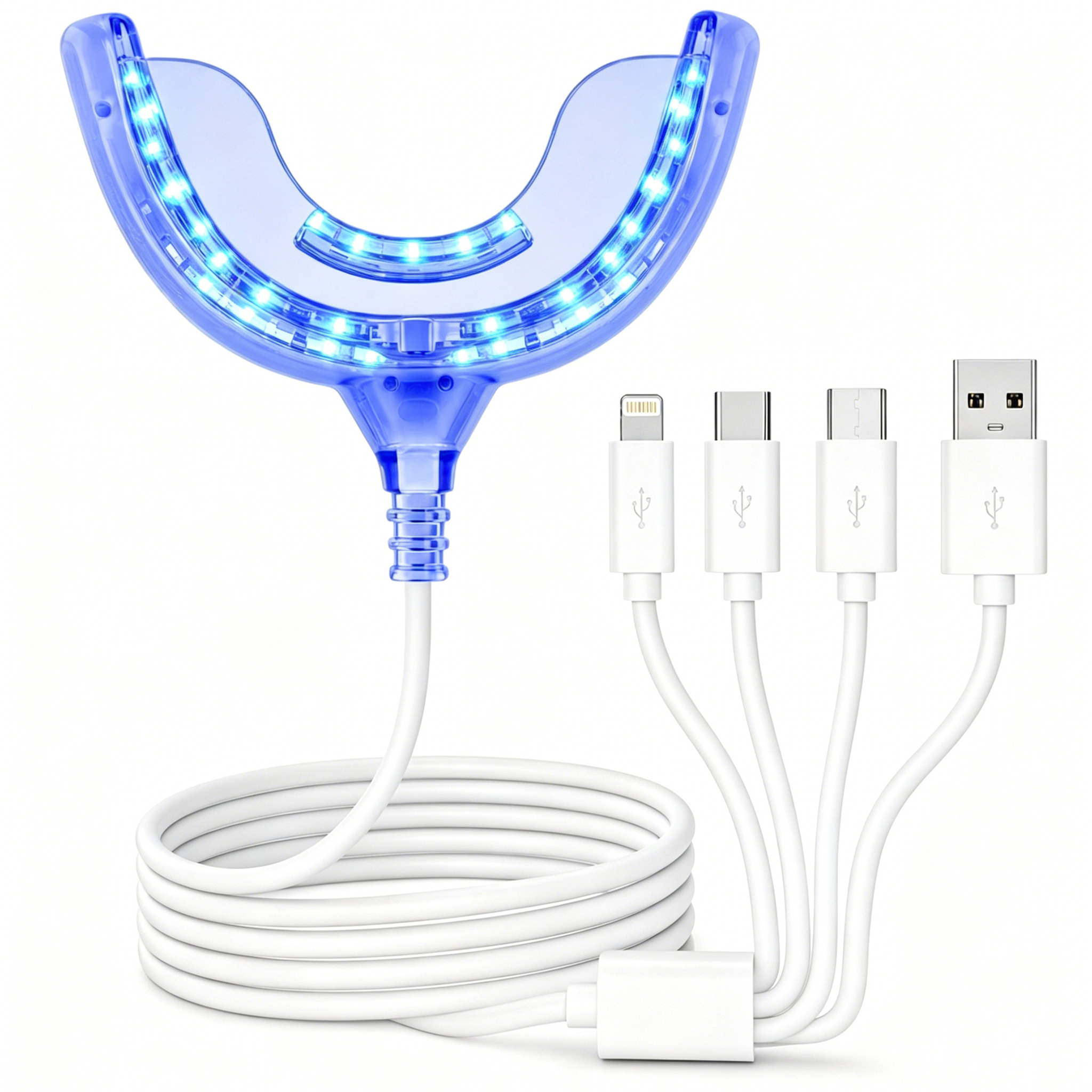
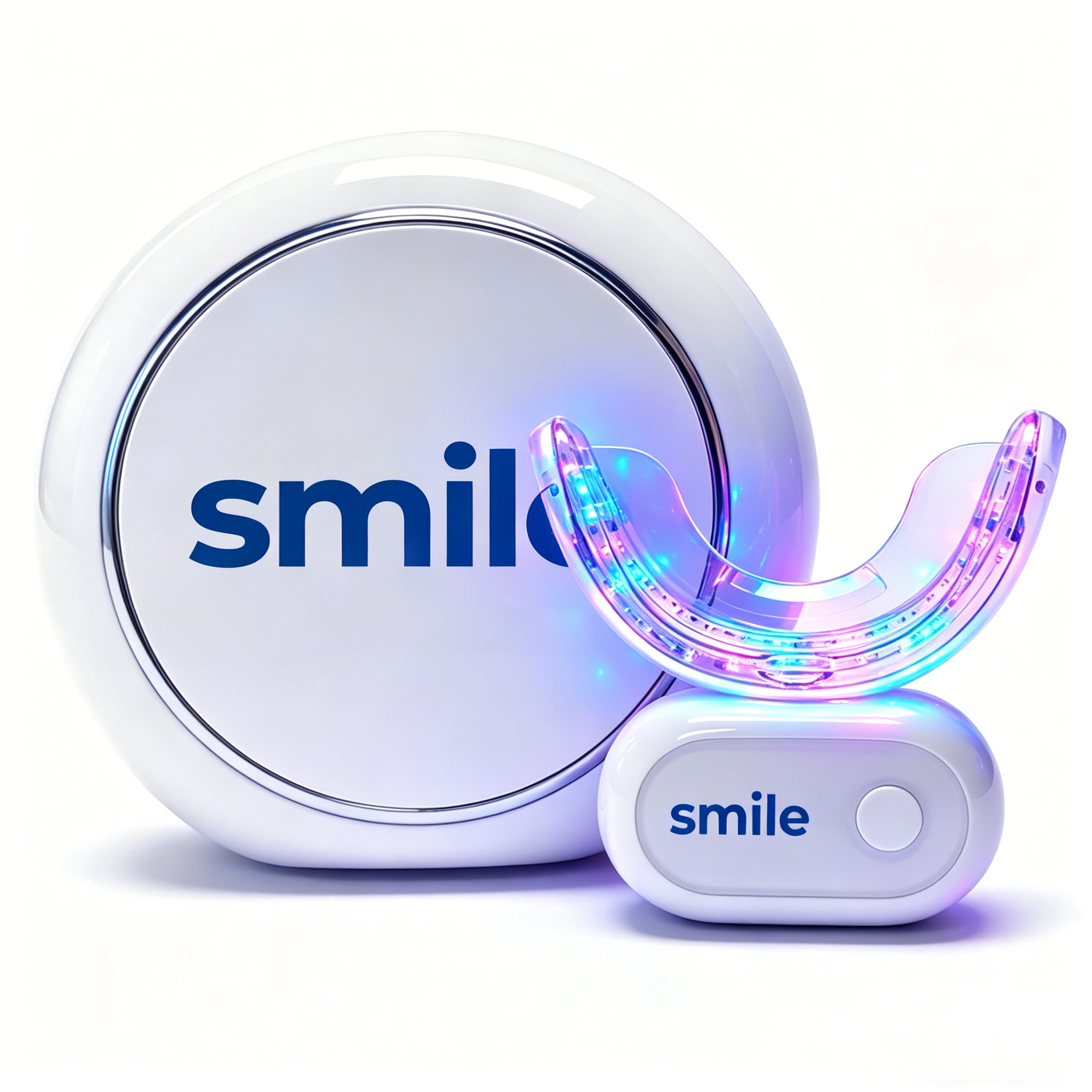
Light-activation devices warrant specific scrutiny. The evidence does not consistently show that light activation improves whitening outcomes over chemical bleaching alone, and it may increase sensitivity in some cases. If your menu includes a light-assisted tier at a price premium, that premium needs to rest on patient experience and perceived value — not on a clinical outcome advantage the evidence doesn't reliably demonstrate. Operators carrying the capital cost of light devices without a clear pricing strategy to recover it are absorbing margin loss invisibly.
The Cost-Per-Treatment Calculation Most Operators Get Wrong
The most common pricing error is calculating consumable cost against list price per unit rather than against actual cost per completed treatment. These numbers diverge significantly in practice.
A gel syringe rated for multiple applications may yield fewer usable treatments than the specification suggests once waste, overfill, and application variation are factored in. Operators who don't track actual yield per unit routinely underestimate consumable cost.
A more accurate cost-per-treatment model accounts for:
- Gel yield per unit at realistic application volumes, not theoretical maximums
- Ancillary consumables: barriers, trays, cheek retractors, disposable applicators
- Chair time cost: operator or hygienist time allocated to the treatment, including setup and post-treatment consultation
- Sensitivity management products: desensitizing gels or post-treatment fluoride, if routinely applied
- Reorder pricing tier: whether your current order volume qualifies for the unit cost your margin model assumes
Running this calculation quarterly — not just at initial menu setup — catches margin drift before it becomes structural.
Bundle Architecture: Which Add-Ons Justify a Price Step-Up
Bundle design is where whitening service product selection intersects directly with revenue-per-visit strategy. The discipline is distinguishing add-ons that support a genuine price step-up from those that add cost without adding clinical or perceived value.
Add-ons that justify a higher service tier price:
- Supervised take-home maintenance kit: extends results, generates product revenue, and gives patients a clinical reason to return on a predictable schedule
- Custom-fitted tray fabrication: higher cost, but meaningfully better gel contact and patient compliance — a defensible premium
- Pre-treatment sensitivity screening and desensitizing protocol: positions the service as clinically supervised, supports a higher price point, and reduces post-treatment complaints
- Combined in-chair and take-home protocol: take-home durability supports framing this as a results-optimization package — not an upsell
Add-ons that rarely justify a clinical price step-up on their own:
- Light activation as a standalone premium: the evidence does not consistently support superior whitening outcomes, so any premium must rest on patient experience framing rather than clinical differentiation
- Higher-concentration gel as a default upgrade: moderate concentrations produce comparable whitening with better sensitivity profiles; defaulting to higher concentrations adds cost and risk without proportional benefit
Managing Sensitivity Without Discounting the Service
Sensitivity is the most common reason patients decline whitening or don't return for retreatment. Handling it through product selection — rather than through price reduction or avoidance — is a direct margin-protective strategy.
The ADA notes that temporary sensitivity and gingival irritation are recognized side effects of professional whitening, and that aggressive bleaching protocols may affect enamel microstructure. This is a reason to build clinical screening and conservative protocol selection into your standard operating procedure — not a reason to avoid offering whitening services.
Sensitive-formula options — lower-concentration HP, CP at extended wear, or PAP-based alternatives — should be framed as clinical accommodations, not discounted services. The treatment price reflects the expertise involved in selecting and supervising the appropriate protocol, not the concentration of the active ingredient.
Practically, this means:
- Screening for sensitivity history before treatment, not after a complaint surfaces
- Stocking a PAP or low-concentration option so sensitive patients can be accommodated without being turned away
- Pricing sensitive-formula treatments at parity with standard treatments, differentiated by clinical rationale
- Counseling patients against unsupervised overuse of retail whitening products between professional visits — the ADA identifies repeated unsupervised use as a risk factor for increased enamel permeability and gum irritation
That last point strengthens your professional positioning directly. Patients who overuse retail products arrive with compromised enamel and lower treatment tolerance. Supervising their retreatment interval is a clinical service with real margin value.
Inventory Discipline and Whitening Service Product Selection Margin Beyond the Treatment Room
Reorder decisions have a direct effect on per-treatment cost that most operators don't track systematically. Two failure modes are common: over-ordering to hit a volume price tier that projected treatment volume doesn't support, and under-ordering and absorbing premium unit costs on small repeat purchases.
A disciplined reorder model starts with actual treatment volume, not projected volume. Track completed whitening treatments per month, calculate consumable consumption against that number, and set a reorder point that maintains a working buffer without accumulating dead stock. Gel products carry shelf-life limits; carrying excess inventory against a volume discount that doesn't materialize is a margin cost, not a saving.
For take-home lines, retreatment interval guidance serves both clinical and inventory-planning purposes. Evidence supports whitening stability over a meaningful multi-year window for most patients, with more frequent retreatment needed for severe discoloration cases. Building a retreatment schedule into patient communication — and stocking accordingly — creates predictable reorder demand rather than reactive purchasing.
When evaluating product lines, prioritize suppliers whose formulas carry recognized safety and efficacy documentation. The ADA Seal of Acceptance indicates that manufacturers have supplied evidence supporting their safety and whitening claims — a practical baseline criterion for take-home product selection that reduces compliance risk and supports professional positioning with patients.
Whitening service product selection margin is determined by the cumulative effect of these decisions: ingredient matched to tier, format matched to revenue model, cost calculated against actual yield, bundles built on genuine value, sensitivity managed without discounting, and inventory disciplined to real demand. Each decision point is controllable. Operators who treat product selection as a margin lever — not a procurement formality — are the ones who build whitening into a consistently profitable service line.
References
- Prognosis in home dental bleaching: A systematic review — Clinical Oral Investigations, PubMed (2023)
- In-office tooth bleaching protocols: An umbrella review — Saudi Dental Journal (2026)
- Tooth Whitening or Bleaching to Optimise the White Colour of Teeth: A Review — Applied Sciences (2026)
- Experts weigh in on teeth whitening — American Dental Association (updated 2026)
Disclaimer
This article is for general informational purposes only and does not constitute sourcing, legal, or regulatory advice. Always conduct your own due diligence and consult qualified legal or compliance professionals before making purchasing or compliance decisions. WhiteningBright makes no warranties as to the completeness or accuracy of the information, and any reliance is at your own risk.