Private-Label Kit Branding Options Buyers Overlook
30 de octubre de 2026
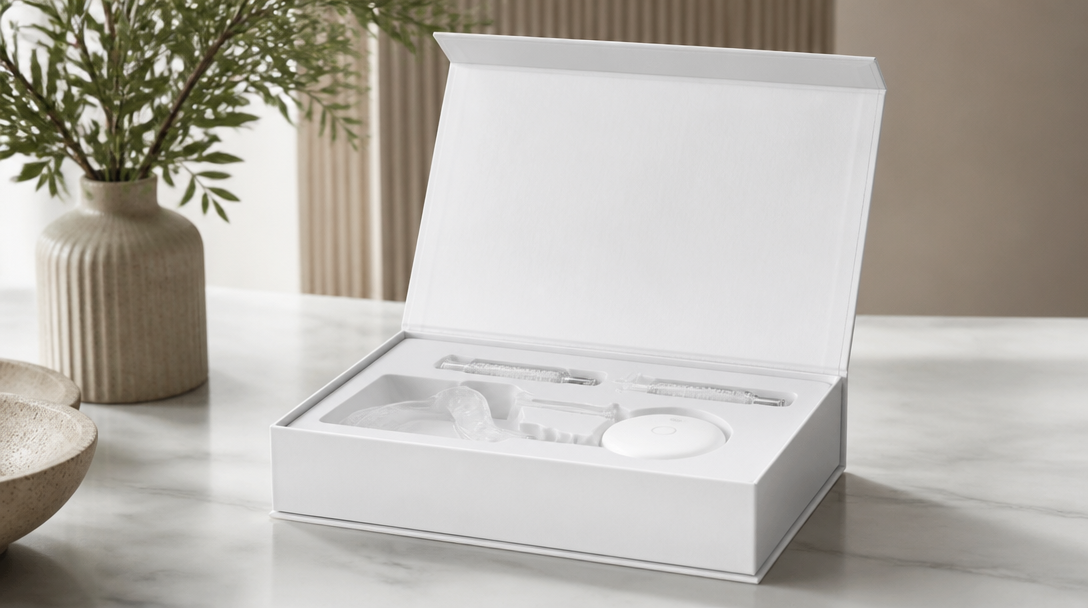
Discover the full scope of private label whitening kit branding — from formulation and packaging to insert compliance and claim substantiation.
Private-Label Whitening Kit Branding Options Buyers Overlook
Most buyers entering the private label whitening kit branding process assume the primary decision is logo placement. It is not. The variables that determine whether a kit builds durable brand equity — or ships a commodity product with your name printed on it — span formulation chemistry, packaging architecture, insert language, and compliance positioning. Each layer compounds the others, and overlooking any one of them produces a product that underperforms regardless of how strong the logo looks. This article maps the full decision tree for buyers co-developing a whitening kit: dental clinic operators building an in-house retail line, spa and wellness brands entering oral care, and distributors sourcing for premium pharmacy or direct-to-consumer channels.
Formulation Variables That Define Your Private-Label Whitening Kit Branding Signal
Formulation is the first and most consequential branding decision, because it determines what claims you can legally place on your packaging. A kit built on carbamide peroxide, hydrogen peroxide, or a PAP (phthalimidoperoxycaproic acid) base carries a different regulatory profile, different clinical positioning, and a different end-customer expectation.
Peroxide-based formulations above certain concentration thresholds can shift a product from cosmetic to drug classification under FDA rules. That shift changes labeling obligations, distribution requirements, and the claims permitted on the label. PAP-based formulations are generally positioned as cosmetic whitening agents, which gives brand owners more flexibility in retail channels — but that flexibility does not eliminate the need for substantiated claims.
Beyond the active ingredient, formulation variables that differentiate a branded kit include:
- Desensitizing agents (potassium nitrate, hydroxyapatite) — relevant for clinical and premium wellness positioning
- Flavor profile and pH buffering — directly affects perceived quality and repeat purchase behavior
- Viscosity and tray adhesion — determines the application experience and user perception of efficacy
- Shelf-life formulation — affects expiration-date decisions and downstream inventory management
Buyers who treat formulation as a fixed input and focus only on packaging leave the most differentiated part of their brand signal on the table.
Packaging Architecture: Which Layers Can Actually Be Customized
Packaging customization in a co-developed whitening kit operates across several independent layers. Knowing which layers are available — and which are locked by tooling or minimum order volume — is essential before committing to any supplier relationship.
Primary Packaging
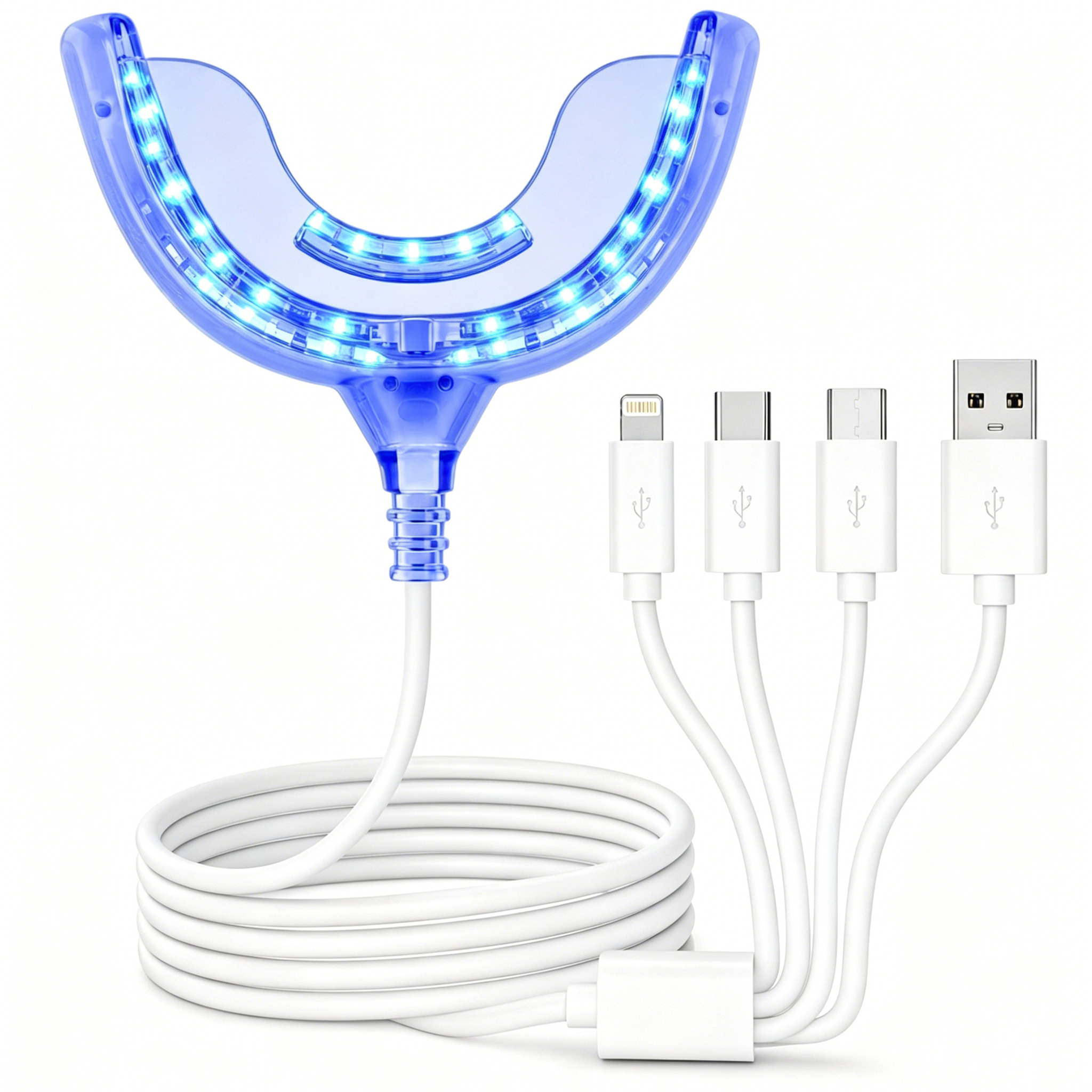
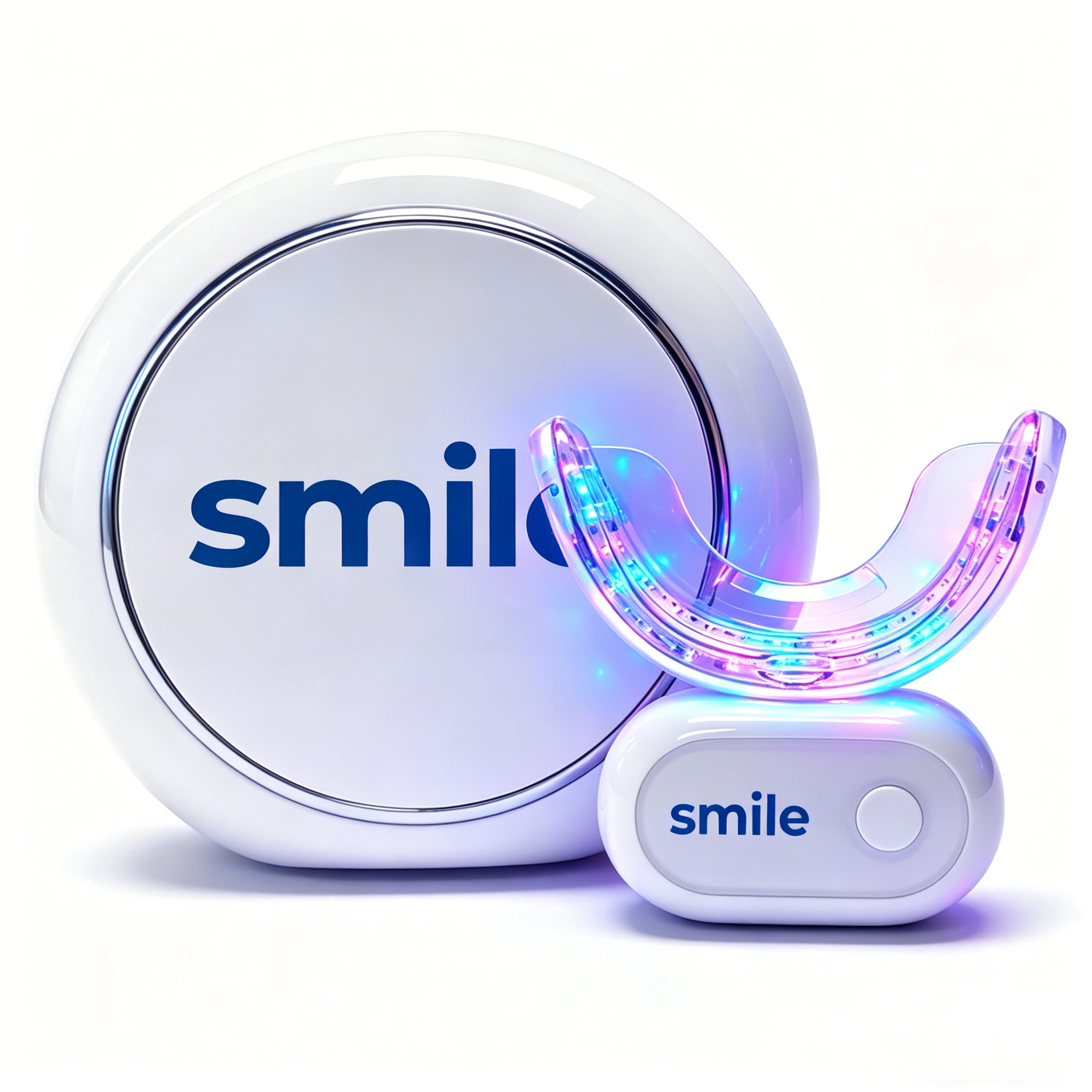
Primary packaging includes the gel syringe or strip pouch, tray material, and any LED device housing. Syringe color, barrel printing, and cap style are commonly customizable at mid-range order volumes. Device housing color and finish — matte, gloss, soft-touch coating — typically require higher volume commitments because they involve tooling changes that carry independent fixed costs.
Secondary Packaging
The outer carton is where most brand identity lives visually. Structural carton shape, print finish, foil stamping, embossing, and window cutouts are all negotiable variables. Request physical dieline samples before approving any structural change. Digital mockups do not reveal how a carton performs under retail handling or shipping stress — two conditions that matter significantly to pharmacy category managers and clinic front-desk buyers.
Tertiary and Retail-Ready Elements
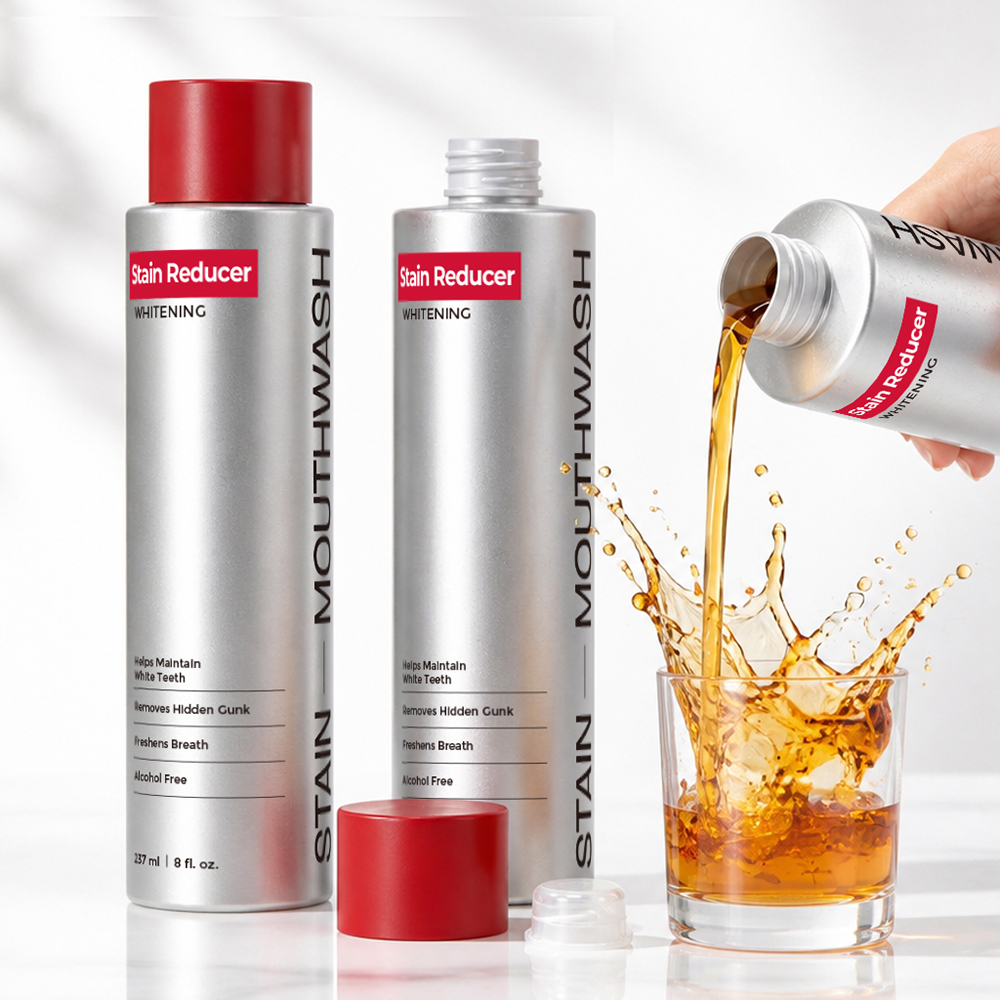
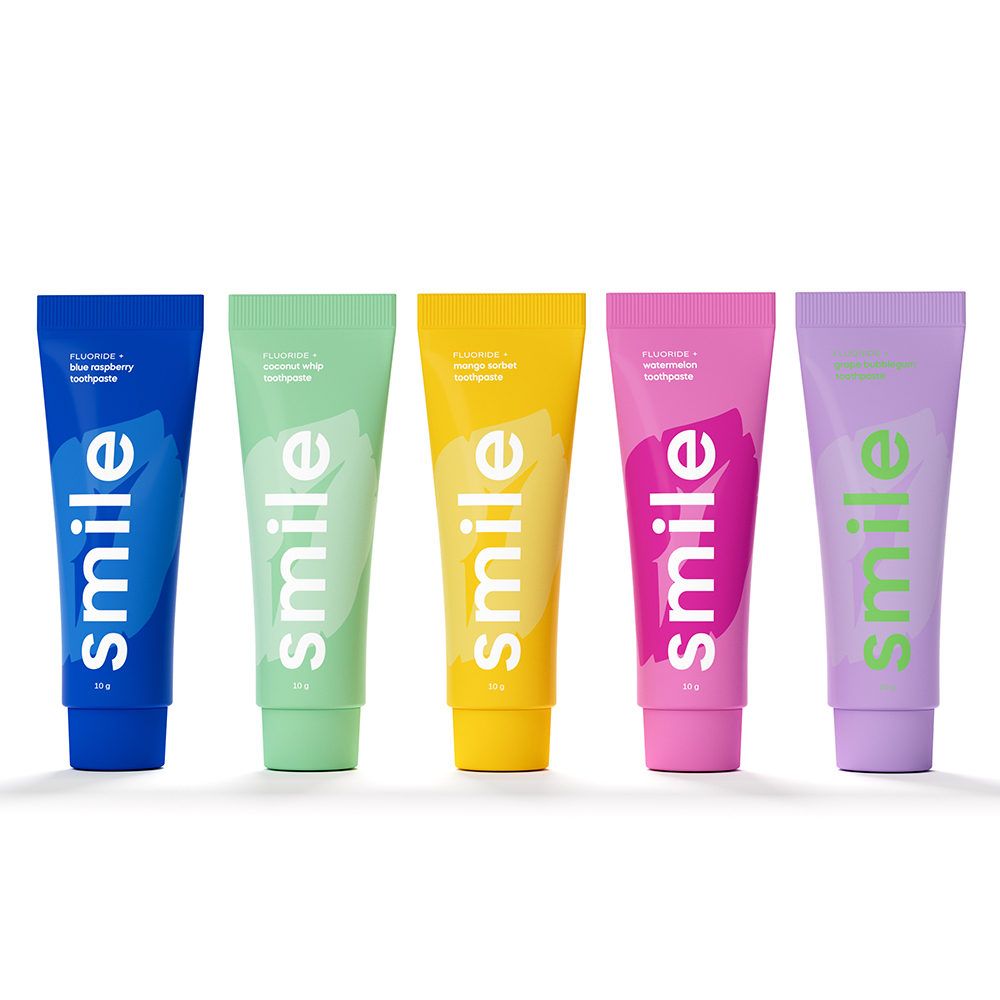
Display-ready cases, shelf-ready trays, and bundled kit configurations — whitening gel paired with toothpaste or rinse — are consistently overlooked as branding surfaces. A cohesive multi-SKU architecture signals brand depth to retail buyers in a way that a single standalone kit does not. It also creates a natural upsell framework that protects margin across the product line.
Insert Copy and Compliance Language as Brand Assets
The product insert is one of the most underused branding surfaces in a private-label whitening kit. It is also one of the most legally consequential. Under FDA guidance, "labeling" is defined broadly — it covers labels and any accompanying written, printed, or graphic material, not just the container itself. That means your instruction sheet, dosing guide, and any QR-code-linked digital content can all affect how your product is classified and what regulatory obligations apply.
A claim on an insert that implies the product treats tooth sensitivity as a medical condition, or prevents disease, can shift the product from cosmetic to drug classification — regardless of what the outer carton says. Buyers must review insert language with the same scrutiny applied to the principal display panel.
Practically, insert copy should:
- Use cosmetic-appropriate language ("whitens teeth," "removes surface stains") rather than therapeutic claims ("treats discoloration caused by enamel erosion")
- Identify the responsible distributor or brand owner clearly — FDA regulations require that the label identify the manufacturer, packer, or distributor, and that responsibility does not transfer to your supplier simply because they manufactured the product
- Include dosing instructions accurate to the specific formulation concentration in your kit, not generic instructions copied from a different product tier
- Reflect market-specific compliance requirements when distributing across multiple regions, since EU cosmetic regulations differ materially from FDA rules
Inserts designed with this level of intentionality also function as a trust signal to professional buyers. Dental clinics and pharmacies read inserts before they commit to stocking a product.
The "Cosmeceutical" Trap and Why It Costs Brands
Some buyers are drawn to labeling their whitening kits with cosmeceutical-adjacent language — terms that imply both cosmetic appeal and clinical credibility. This is a documented regulatory exposure point. The FDA is explicit: "cosmeceutical" has no legal meaning. A product marketed with medicinal or drug-like claims may legally be a drug, a cosmetic, or both, regardless of how the packaging frames it.
This matters directly for private label whitening kit branding because suppliers will not always flag this risk. The brand owner — the entity named on the label as responsible distributor — carries the compliance exposure. Building a brand on claims that cannot be defended in a regulatory review is a structural liability, not a marketing advantage.
The practical boundary: claims about appearance ("whitens," "brightens," "removes surface stains") are generally cosmetic territory. Claims about biological function, disease prevention, or structural change to teeth move toward drug territory. Know where your copy lands before it goes to print.
Claim Substantiation as a Competitive Differentiator
Independent claim validation is a branding option most private-label buyers overlook entirely. The ADA Seal of Acceptance program evaluates oral-care product claims against scientific evidence and provides a recognized third-party endorsement that carries specific weight with dental professionals and informed consumers.
The FDA is equally clear that cosmetic claims must be truthful and not misleading. Relying on unsubstantiated proprietary marketing language — "clinically proven," "dentist-recommended" — creates both regulatory exposure and credibility risk in professional channels. For buyers targeting dental clinic resale or premium pharmacy placement, a substantiated claim architecture is a genuine competitive differentiator. It requires investment in documentation and third-party testing, but it produces a product that can be defended in a buyer meeting, on a retail shelf, and in a compliance audit.
Lead Times Shift When Branding Depth Increases
Standard lead times for a whitening kit with an existing formulation, stock packaging, and label-only customization are materially shorter than lead times for a fully co-developed product with custom formulation, structural packaging, and bespoke insert design. Buyers who do not account for this difference routinely miss launch windows.
The variables that extend lead time most significantly:
- Formulation development and stability testing — a new or modified formulation requires stability data before commercial production release; this underpins responsible expiration-date labeling and is not a step that can be skipped
- Tooling for custom packaging structures — new carton dies, custom syringe molds, or device housing changes require tooling lead time that runs independently of production scheduling
- Regulatory documentation — entering a new market or substantiating claims adds documentation preparation time that production speed cannot compress
- Artwork approval cycles — multi-round revisions on complex packaging (foil, emboss, multi-color print) are a consistent source of unplanned delay; build review cycles into the project timeline explicitly
A practical rule: the more your product diverges from a supplier's existing production standard, the longer your lead time. Map the divergence points early and assign calendar dates to each approval milestone before production begins.
MOQ Structure by Private-Label Whitening Kit Branding Tier
MOQ in private-label whitening kit sourcing is not a single number — it is a set of thresholds that vary by branding layer. Understanding this structure allows buyers to negotiate precisely rather than accepting a blanket minimum as fixed.
| Branding Tier | Typical Customization Scope | MOQ Pressure Points |
|---|---|---|
| Label-only | Existing formulation, stock packaging, custom label or sleeve | Lowest MOQ; accessible to emerging brands and clinic operators |
| Packaging-customized | Custom carton print, color, finish; existing formulation | MOQ rises with print complexity and structural changes; tooling costs may apply |
| Formulation-adjusted | Modified active concentration, added desensitizer, flavor change | Stability testing and batch documentation add fixed costs that push effective MOQ higher |
| Fully co-developed | Proprietary formulation, custom packaging architecture, bespoke insert | Highest MOQ; negotiate exclusivity windows and IP ownership terms explicitly |
The negotiation leverage most buyers underuse is phased commitment: agree on a higher total volume across two or three purchase orders rather than demanding a low MOQ on the first order. This gives the supplier production planning confidence and often unlocks pricing and customization access that a single low-volume order would not.
Questions to Resolve Before Signing a Co-Development Agreement
The co-development agreement is where branding scope, IP ownership, exclusivity, and compliance responsibility are formalized. Buyers who treat it as a procurement formality rather than a strategic document discover gaps — typically after launch.
- Who is identified as the responsible party on the label? FDA regulations place labeling responsibility on the entity named as manufacturer, packer, or distributor. Confirm this is your brand entity, and confirm your supplier will not market the same formulation under their own label or another buyer's label in your target market.
- What stability data exists for this formulation, and who owns it? Stability data underpins your expiration-date claim. If the supplier owns it and you change suppliers, you may need to repeat testing at your cost.
- Which claims have been substantiated, and what documentation supports them? "Whitens up to X shades" is a claim that requires evidence. Request supporting data before it goes on a carton.
- What is the exclusivity scope? Geographic exclusivity, channel exclusivity, and formulation exclusivity are separate variables. Negotiate each independently and get them documented with specific terms and durations.
- What happens to tooling and artwork files if the relationship ends? Custom packaging tooling and print files have real asset value. Confirm ownership terms in writing before production begins.
Private-label branding at the premium tier is a strategic investment, not a procurement shortcut. The buyers who build defensible brands treat every one of these questions as a prerequisite, not an afterthought.
References
- FDA — Cosmetics Labeling Claims
- FDA — Cosmetics Labeling Regulations
- FDA — Cosmetics Labeling Guide
- FDA — "Cosmeceutical": What Is It?
- FDA — Small Businesses & Homemade Cosmetics: Fact Sheet
Disclaimer
This article is for general informational purposes only and does not constitute sourcing, legal, or regulatory advice. Always conduct your own due diligence and consult qualified legal or compliance professionals before making purchasing or compliance decisions. WhiteningBright makes no warranties as to the completeness or accuracy of the information, and any reliance is at your own risk.