Fluoride-Free Toothpaste Benefits and Best Options
1 mai 2026
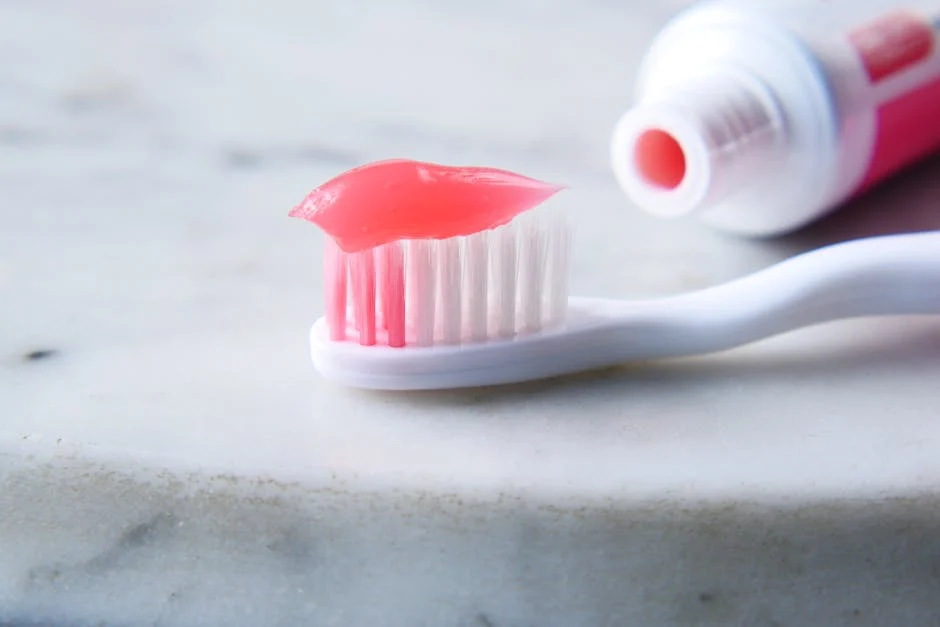
What Is Fluoride-Free Toothpaste and Why More People Are Choosing It
Fluoride-free toothpaste has moved from niche health food store shelves into mainstream dentistry, driven by a growing body of clinical evidence that challenges the long-held assumption that fluoride is the only effective cavity fighter. For decades, fluoride dominated oral care science—but peer-reviewed research published through 2026 now shows that hydroxyapatite and calcium-phosphate-based formulations can match fluoride's performance across multiple oral health measures. Patients choose fluoride-free options for a range of reasons: concerns about fluoride ingestion in young children, personal preferences for naturally derived ingredients, and a desire to avoid dental fluorosis—a cosmetic condition caused by excess fluoride exposure during tooth development. Research confirms these motivations are real and clinically relevant, and dental professionals are increasingly advised to engage these patients with respectful, evidence-based conversations rather than dismissal. This guide examines what the clinical evidence actually says, which active ingredients do the work, and how to choose the right formulation for specific oral health needs.The Science Behind Fluoride-Free Toothpaste: What the Research Shows
The clinical case for fluoride-free toothpaste is stronger than most consumers—and many clinicians—realize. A systematic review of 15 randomized controlled trials found that fluoride-free hydroxyapatite and arginine toothpastes prevent caries comparably to fluoride formulations across children, adolescents, and adults, leading researchers to recommend these alternatives as viable options for dentists to discuss with patients. A separate meta-analysis of four trials in patients under 25 years of age reached a similar conclusion: hydroxyapatite (HAP) toothpaste matched fluoride in preventing caries progression and remineralizing enamel, while demonstrating superior biocompatibility—meaning the body recognizes and integrates the mineral without adverse reaction. One study found that HAP toothpaste increases enamel hardness at levels comparable to 1450 ppm fluoride toothpaste, which is the standard high-concentration formulation used widely in Europe. This positions nano-hydroxyapatite not as a compromise, but as a genuine clinical alternative for low-to-moderate caries-risk patients.Key Active Ingredients in Effective Fluoride-Free Formulations

Nano-Hydroxyapatite (nano-HAP)
Hydroxyapatite is the primary mineral component of human tooth enamel, comprising approximately 97% of enamel by weight. In its nano-crystalline form, it integrates directly into enamel structure, physically filling micro-fissures and remineralizing demineralized surfaces. Clinical trials confirm that nano-HAP toothpastes remineralize artificial caries lesions in primary teeth equivalently to 1000 ppm fluoride toothpaste, making them particularly suitable for young children. Nano-HAP also demonstrates measurable benefits beyond caries prevention. Clinical trial reviews show fluoride-free HAP toothpastes effectively reduce dentin hypersensitivity by occluding dentinal tubules, improve periodontal health markers, and produce whitening effects through structural integration rather than bleaching chemistry.Casein Phosphopeptide-Amorphous Calcium Phosphate (CPP-ACP)
CPP-ACP is a bioavailable calcium-phosphate complex derived from milk protein. Studies show that CPP-ACP toothpastes remineralize artificial enamel caries lesions in primary teeth at rates equivalent to 1000 ppm fluoride formulations. This makes CPP-ACP particularly relevant for pediatric oral care contexts where fluoride ingestion is a concern. The mechanism works by stabilizing calcium and phosphate ions at the tooth surface, creating supersaturated conditions that drive mineral redeposition into demineralized enamel. This is biomimetic chemistry—mimicking the natural remineralization process the body already performs.Xylitol
Xylitol is a sugar alcohol that Streptococcus mutans—the primary cavity-causing bacterium—cannot metabolize. Regular xylitol exposure disrupts bacterial adhesion to tooth surfaces and reduces acid production. Research consistently supports xylitol as an adjunct ingredient that strengthens the overall caries-protective effect of fluoride-free calcium-phosphate formulations.Arginine
Arginine-containing toothpastes appear in the systematic review evidence base as a comparable fluoride alternative. Arginine works by supporting alkaline-producing bacteria in dental biofilm, which counteracts the acid generated by cariogenic species. This mechanism targets the ecological balance of oral bacteria rather than simply killing pathogens indiscriminately.Fluoride-Free Toothpaste Benefits Across Oral Health Categories
Caries Prevention
The evidence is clearest here. Multiple clinical trial reviews confirm that calcium-phosphate-based fluoride-free toothpastes—especially those containing nano-HAP—provide caries prevention comparable to fluoride. The effect is consistent across age groups and dentition types (primary and permanent teeth). The mechanism differs from fluoride: rather than forming chemically altered fluorapatite, HAP physically replenishes natural hydroxyapatite, the material teeth are already made of. Both result in a harder, more acid-resistant enamel surface—through different biochemical pathways.Enamel Remineralization
Remineralization is where fluoride-free formulations have generated the most compelling clinical data. Non-fluoridated CPP-ACP and nano-HAP toothpastes demonstrate equivalent remineralization of early caries lesions when compared head-to-head with 1000 ppm fluoride in controlled studies. For early white spot lesions—the first visible sign of enamel demineralization—nano-HAP shows particularly strong results.Dentinal Hypersensitivity
Fluoride-free calcium-phosphate toothpastes show measurable improvements in dentinal hypersensitivity through a physical occlusion mechanism. Nano-HAP particles deposit into exposed dentinal tubules, reducing fluid movement that triggers pain signals. Clinical reviews identify hypersensitivity reduction as one of the most consistently documented benefits of fluoride-free HAP formulations.Periodontal Health
Clinical trial reviews of fluoride-free calcium-phosphate-based toothpastes document improvements in periodontal health markers, including reduced gingival inflammation and plaque index scores. The anti-inflammatory properties of certain formulations—particularly those incorporating essential oil blends—contribute to gum health benefits beyond what mechanical brushing alone achieves.Erosion Protection and Whitening
Fluoride-free HAP toothpastes provide measurable protection against acid erosion by replenishing mineral content at the enamel surface. The same mechanism produces a mild whitening effect: as micro-defects and demineralized zones fill in with HAP, optical diffusion improves and teeth appear brighter without abrasive or chemical bleaching agents. For patients interested in oral care research and whitening science, hydroxyapatite-based formulations represent one of the most clinically substantiated natural whitening approaches available.Who Benefits Most from Fluoride-Free Toothpaste
Young Children
Children under six frequently swallow toothpaste during brushing. Fluoride ingestion at this stage carries a risk of dental fluorosis during permanent tooth development. Nano-HAP and CPP-ACP formulations offer a clinically validated alternative that supports remineralization in primary teeth without fluorosis risk. The evidence specifically supports equivalency to 1000 ppm fluoride in primary dentition.Patients with Fluoride Sensitivity or Fluorosis Risk
Individuals with a documented history of fluorosis, those in high-fluoride water areas, or patients with confirmed sensitivity to fluoride compounds represent clear candidates for fluoride-free formulations. Research confirms these patients can receive comparable caries protection through HAP-based products when combined with consistent oral hygiene habits.Natural Lifestyle Consumers
A qualitative study on motivations for fluoride-free toothpaste use found that patients choose these products due to perceived harm from fluoride and a preference for natural ingredient profiles. Dental professionals are specifically advised to approach these patients with respectful discussion of alternatives rather than reflexive redirection back to fluoride, recognizing that evidence now supports shared decision-making in this space. Manufacturers and retailers tracking this consumer shift can find relevant context in oral care industry news and market trend analysis.Adults with Low-to-Moderate Caries Risk
For adults with good oral hygiene habits, low sugar intake, adequate saliva flow, and no active carious lesions, fluoride-free formulations with nano-HAP provide a well-supported option. The systematic review evidence base recommends dentists consider these alternatives specifically for patients fitting this profile.How to Choose the Right Fluoride-Free Toothpaste
Verify Active Ingredient Concentration
Not all fluoride-free formulations contain clinically relevant concentrations of active ingredients. Look for nano-hydroxyapatite listed at concentrations of 10% or higher, which matches the concentrations used in clinical trials. CPP-ACP concentrations should align with published study parameters. Generic claims of "calcium" or "minerals" without specification provide limited assurance of efficacy.Match Formulation to Your Primary Concern
For caries prevention: prioritize nano-HAP or arginine-containing formulations with clinical trial backing. For hypersensitivity: select nano-HAP formulations specifically studied for tubule occlusion. For gum health: look for essential oil blends (tea tree, eucalyptus, thyme) with documented anti-inflammatory activity. For whitening: nano-HAP with mild calcium carbonate abrasive provides both structural and optical improvement without enamel damage.Check for Xylitol as a Supporting Ingredient
Xylitol strengthens the cavity-protective effect of any fluoride-free formulation. Its inclusion alongside nano-HAP or CPP-ACP creates a multi-mechanism approach that addresses both remineralization and bacterial ecology simultaneously.Avoid Misleading "Natural" Claims Without Evidence
The fluoride-free market includes products that rely primarily on baking soda, charcoal, or essential oils without meaningful remineralizing agents. Activated charcoal in particular lacks clinical evidence for cavity prevention and carries potential enamel abrasion concerns at high concentrations. Quality manufacturers investing in toothpaste production standards and ingredient quality control will provide transparent formulation details and reference clinical evidence for their specific products.
What Dental Professionals Recommend
The dental professional consensus on fluoride-free toothpaste has shifted meaningfully. Rather than categorical discouragement, the clinical literature now specifically recommends that dentists discuss fluoride-free hydroxyapatite and arginine alternatives with patients—particularly those who express preferences for these products. The key clinical guidance centers on two factors: patient risk stratification and monitoring frequency. High caries-risk patients—those with active lesions, xerostomia, poor diet, or compromised enamel—require more aggressive remineralization support, and fluoride remains the first-line recommendation for this group. For low-to-moderate risk patients, fluoride-free HAP formulations offer a clinically defensible alternative. Dentists using fluoride-free protocols typically recommend maintaining professional cleaning schedules and may increase monitoring frequency during the initial transition period. Periodic professional assessments allow early detection of any change in enamel health status, enabling timely adjustments to the home care protocol. The systematic review evidence explicitly frames nano-HAP and arginine toothpastes as options dentists can recommend in practice—a significant departure from the historically dismissive stance toward fluoride-free toothpaste in clinical settings.Transitioning to Fluoride-Free Toothpaste: Practical Steps
Start with a baseline dental assessment to establish your current caries risk level. This determines whether fluoride-free toothpaste is appropriate as a primary product or better used in combination with periodic professional fluoride treatments for higher-risk areas. Select a nano-HAP formulation at 10% concentration with xylitol as a supporting ingredient. Brush twice daily for two minutes using proper technique—angle the brush at 45 degrees to the gumline, use short strokes, and cover all surfaces including lingual and occlusal. Mechanical technique matters as much as the active ingredients in the formulation. Schedule a follow-up assessment at three to six months. Your dentist can evaluate enamel response, check for any new demineralization, and confirm whether the fluoride-free toothpaste protocol is delivering adequate protection for your specific risk profile. Adjust based on clinical findings rather than anecdotal experience alone.References
- Systematic Review - Fluoride-Free Toothpastes for Caries Prevention: Hydroxyapatite and Arginine Evidence (2026)
- Meta-Analysis - The Role of Hydroxyapatite-Based, Fluoride-Free Toothpastes in Caries Prevention in Patients Under 25 (2026)
- Qualitative Study - The Use of Fluoride-Free Toothpaste: Motivations and Experiences of Patients and Dentists (2026)
- Clinical Trial Review - Improving Oral Health with Fluoride-Free Calcium-Phosphate-Based Biomimetic Toothpastes (PMC, 2026)
- Clinical Study - The Use of Hydroxyapatite Toothpaste to Prevent Dental Caries: Enamel Hardness Comparisons (PMC, 2026)
- Comparative Study - The Efficacy of Non-Fluoridated Toothpastes on Artificial Enamel Caries in Primary Teeth: CPP-ACP and Nano-HAP (PMC, 2026)
- Review - Improving Oral Health with Fluoride-Free Calcium-Phosphate-Based Biomimetic Toothpastes: Clinical Trial Analysis (2026)