Keratin Hair Treatments: Science-Based Guide for Professionals
7 mai 2026
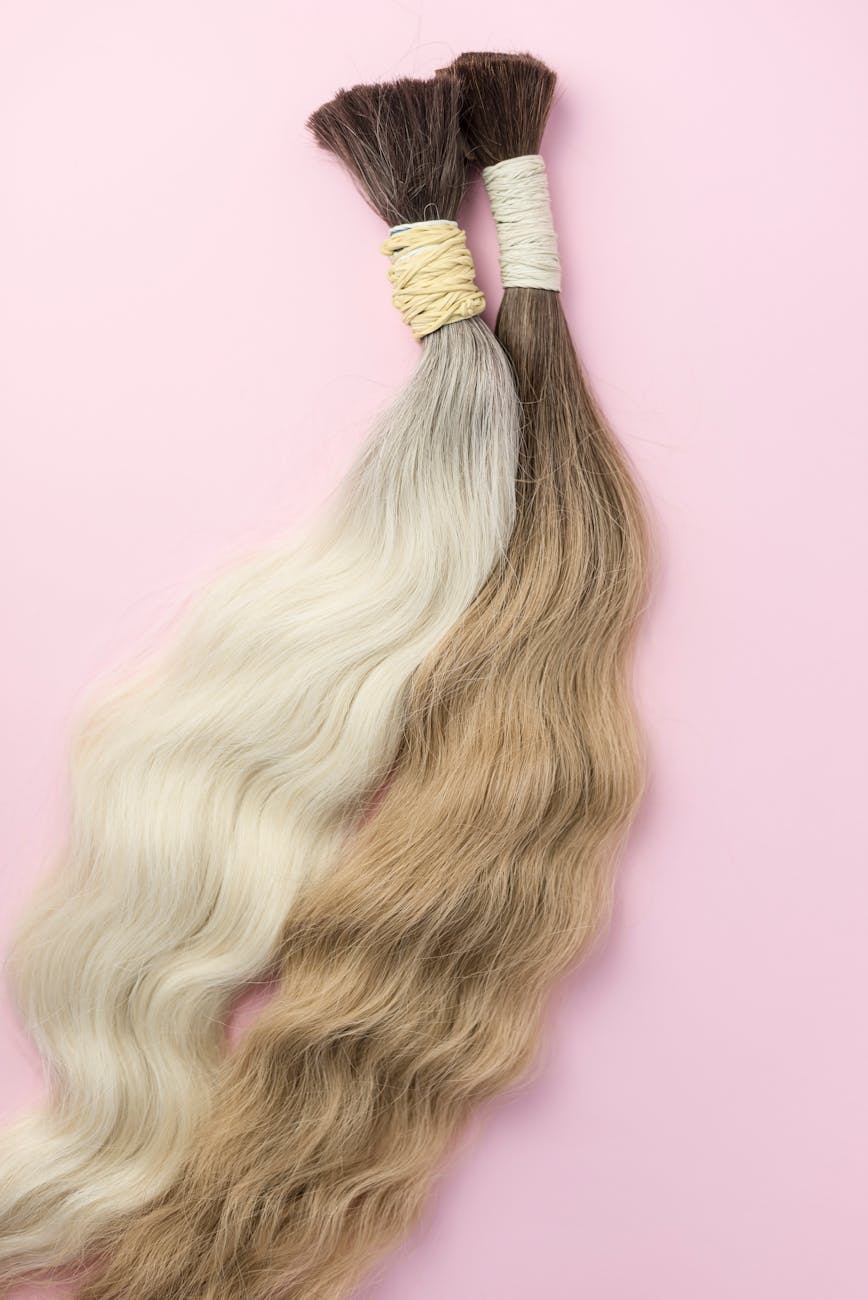
Keratin Hair Treatments: The Science Every Professional Needs to Know
Keratin hair treatments have transformed how salon professionals approach damaged, frizzy, and chemically compromised hair — but the gap between marketing claims and peer-reviewed science remains wide. This guide closes that gap. Keratin is a fibrous structural protein that makes up approximately 95% of the hair shaft. It consists of 18 amino acids, with cysteine playing the most critical role due to its capacity to form disulfide bonds. These bonds determine hair's natural strength, elasticity, and shape. When chemical processing, heat styling, or UV exposure disrupts these bonds, the result is porosity, breakage, and loss of surface smoothness. Understanding what keratin does at the molecular level — and what peer-reviewed research confirms about treatment outcomes — is what separates informed professionals from those relying on brand claims alone.How Keratin Hair Treatments Work at the Molecular Level

Hydrolyzed Keratin: UV Protection and Tensile Strength


Types of Keratin Hair Treatments: Formaldehyde-Free vs. Traditional Formulations
The single most important safety distinction in keratin hair treatments is formaldehyde content. A review published in the Journal of Cosmetic Dermatology confirmed that many commercial keratin products contain formaldehyde or formaldehyde-releasing derivatives despite marketing language suggesting otherwise. Traditional formaldehyde-based treatments cross-link keratin proteins under heat, delivering aggressive frizz reduction — particularly effective on coarse, highly textured, or resistant hair. However, heating formaldehyde-containing products generates vapor that presents documented occupational health risks to stylists with repeated exposure. Formaldehyde-free alternatives use glyoxylic acid, glycolic acid, or methylene glycol as cross-linking agents. These compounds significantly reduce volatile organic compound (VOC) emissions while delivering smoothing results that clinical comparisons place at 85–90% of traditional formulation performance for most hair types. Aldehyde-free treatments represent the newest category, relying on plant-derived proteins and botanical actives. These require more frequent application — typically every 2–3 months versus 4–5 months for traditional formulas — but carry the highest safety margins and are appropriate for pregnant clients or those with chemical sensitivities. Selection should be driven by three factors: the client's hair type and damage level, their lifestyle and maintenance commitment, and any documented health considerations. Coarse or virgin hair typically tolerates traditional formulations well. Fine or color-treated hair generally achieves better outcomes with gentler chemistry.Application Science: What Protocol Details Actually Matter
Treatment outcomes are as dependent on application technique as they are on product formulation. The process begins with a clarifying shampoo to remove buildup and expose the cuticle for penetration. Pre-treatment pH elevation to 8–9 ensures complete product removal and optimal cuticle opening. Sectioning precision matters. Professional protocols recommend 1/4-inch subsections applied mid-length to ends, avoiding scalp contact. Uneven saturation produces patchy smoothing and compromised durability — visible at six to eight weeks post-treatment when the treatment begins to wash out unevenly. Processing time ranges from 20 to 45 minutes depending on porosity and formulation. Optimal ambient conditions are 70–75°F with 40–50% relative humidity. High-humidity environments extend processing time and may reduce penetration efficiency. Flat-ironing is the most mechanically significant phase. Ceramic or titanium plates should be used at temperatures matched to hair type: 350°F for fine or previously damaged hair, 400°F for normal hair, and up to 450°F for coarse or resistant textures. Seven to ten slow passes per section ensure complete thermal activation without exceeding the 480°F threshold at which protein denaturation begins. For professionals looking to deepen their understanding of how chemical treatments interact with hair biology, professional knowledge resources covering cosmetic science and treatment protocols offer structured continuing education relevant to salon practice.Measuring Efficacy: What Peer-Reviewed Research Actually Confirms
Frizz reduction, tensile strength, and shine are the three primary outcome measures studied in keratin treatment research — and the data is more specific than most brand literature suggests. Tensile strength improvements of approximately 40% have been documented in studies using keratin-based particle formulations on both virgin and bleached hair. The K31 keratin protein study noted a doubling of mechanical strength in bleached hair after a single application, alongside a 49% increase in hair fiber diameter — a structural finding with direct implications for breakage-prone clients. Shine improvements in controlled studies have shown measurable increases in light reflection values of approximately 45%, with surface irregularity reductions around 60% compared to baseline. These metrics correlate directly with cuticle alignment and smoothing. Longevity data suggests that results maintain roughly 70% effectiveness at three months and approximately 40% at five months. Hair porosity is the dominant variable — high-porosity hair loses treatment benefits faster due to its open cuticle structure, which allows proteins to migrate out with repeated washing. Oral supplementation represents a complementary approach with emerging clinical support. A 90-day study on fermented keratin hydrolysate oral supplementation showed significant improvement in hair appearance across all self-assessed parameters, suggesting that systemic keratin delivery may augment the effects of topical professional treatments.Safety Standards and Occupational Health Compliance
Salon professionals performing keratin hair treatments are subject to OSHA occupational exposure standards for formaldehyde, which classifies it as a potential carcinogen above specific airborne concentrations. Compliance is not optional — it is a legal and professional responsibility. Ventilation requirements specify a minimum of 6–10 air changes per hour during active treatment application and processing. Exhaust systems should capture vapors at the source rather than relying on general room circulation. Formaldehyde detection devices are a recommended investment for any salon performing these services regularly. Personal protective equipment for stylists includes nitrile gloves throughout the entire application process and N95 respirators when working with formaldehyde-containing formulations. Clients should be masked during blow-drying and flat-ironing phases when vapor production is highest. The FDA requires that products containing more than 0.1% formaldehyde carry specific warning labels and usage instructions. Manufacturers must supply Safety Data Sheets (SDS) detailing proper handling, exposure limits, and emergency procedures. Requesting and reviewing these documents before adding any new treatment to a salon menu is standard professional practice. Client intake protocols should screen for pregnancy, respiratory conditions including asthma or chronic obstructive pulmonary disease, and known chemical sensitivities. These contraindications require either treatment modification or referral to aldehyde-free alternatives. Staying current on ingredient safety and regulatory updates in the professional beauty industry is essential. industry news covering regulatory changes and professional product standards provides ongoing coverage relevant to compliant salon operations.Keratin Supplementation and Systemic Hair Health
The science of keratin delivery is not limited to topical application. Research on oral keratin hydrolysate supplementation — specifically a 90-day clinical study using fermented keratin — demonstrated measurable improvements in hair appearance and client-reported outcomes across all assessed parameters. This systemic approach works by supplying the amino acid building blocks the follicle uses to synthesize new keratin internally, as opposed to depositing protein externally. The two mechanisms are complementary rather than competing: topical treatments restore existing hair shaft structure, while oral supplementation supports ongoing new hair quality from the follicle. Intradermal keratin injection research adds another dimension. NIH/PMC studies found that intradermal keratin injection promoted hair follicle formation and growth in mice, with effectiveness comparable to daily minoxidil application after only a single treatment. The proposed mechanism involves keratin activating dermal papilla cells through extracellular interaction — a finding with potential clinical implications as the research matures. Professionals advising clients on comprehensive hair health programs should understand these systemic and follicular dimensions alongside topical treatment options. For those tracking emerging ingredient science and formulation innovation, production and quality control resources on cosmetic ingredient standards offer technical depth on how keratin derivatives are manufactured and evaluated.Post-Treatment Maintenance: Extending Clinical Results
Treatment longevity is directly shaped by the maintenance routine clients follow after leaving the salon. Sulfate-free shampoos are non-negotiable — sulfates aggressively strip the keratin protein layer with each wash, compressing a five-month result into eight weeks. Chlorine and saltwater exposure are the most damaging environmental factors for treated hair. Clients who swim regularly should apply a leave-in conditioner or protective oil before water exposure and rinse immediately afterward. These simple interventions meaningfully extend the treatment's functional lifespan. Heat styling frequency post-treatment should be reduced when possible. The treatment itself provides smoothing that often reduces the need for daily flat-ironing — a benefit that simultaneously protects the keratin investment and reduces cumulative thermal damage to the hair shaft. For clients asking about touch-up timing, the three-month mark is typically when 30% of the treatment effect has diminished — a practical threshold for scheduling maintenance appointments before frizz and porosity become noticeable again. Recommending the right post-treatment protocol is where professional keratin hair treatments deliver their full return on investment for both client satisfaction and salon retention.References
- NIH/PubMed Central — Intradermal Keratin Injection Promotes Hair Follicle Formation and Growth (2024)
- PubMed — Keratin-Based Particles for Hair Protection: Mechanical Property Improvement in Virgin and Bleached Hair (2023)
- PubMed — Hydrolyzed Keratin for Hair Strengthening and UV Protection: Tensile Strength Study (2022)
- NIH/PubMed Central — K31 Keratin Protein: Structural Integration in Bleached and Curly Hair (2022)
- PubMed — Oral Fermented Keratin Hydrolysate Supplementation: 90-Day Clinical Outcomes in Hair Appearance (2023)
- PubMed — Brazilian Keratin Hair Treatments: Formaldehyde Content and Safety Review, Journal of Cosmetic Dermatology (2013)