PAP vs Peroxide: What Practitioners Actually Order
29 juillet 2026
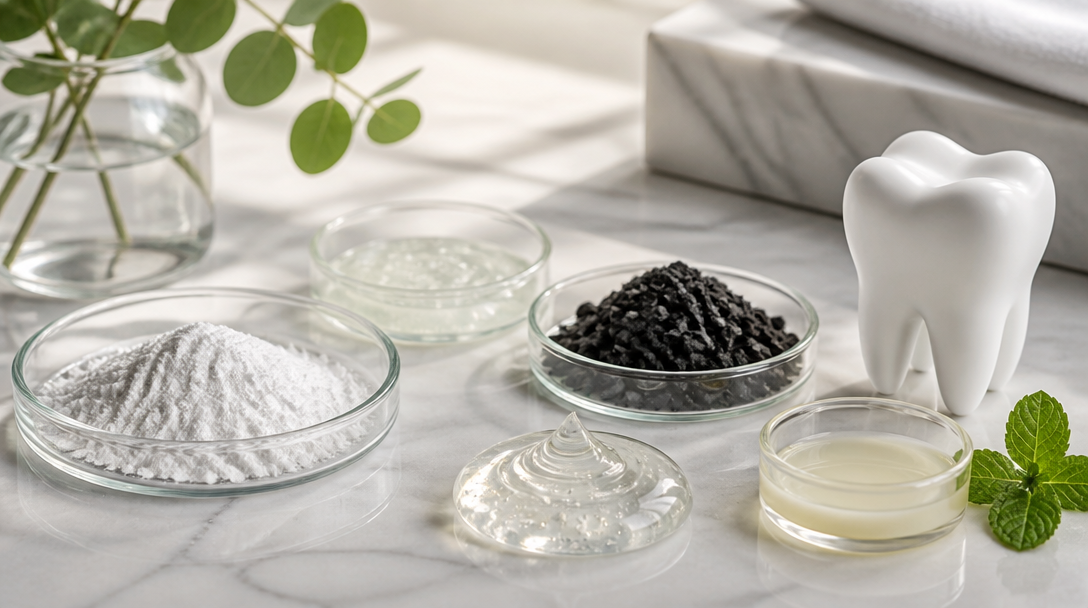
A sourcing-level breakdown of PAP vs peroxide professional whitening — clinical outcomes, sensitivity risk, regulatory burden, and format compatibility by channel.
PAP vs Peroxide Professional Whitening: A Sourcing-Level Decision
When a dental clinic owner or distributor asks which active to specify, the question is never purely about chemistry. It is about session efficiency, patient retention, regulatory clearance, and whether a formulation can carry a private-label brand into a new market. The PAP vs peroxide professional whitening decision sits at the intersection of all four. This article breaks down each active on the variables that actually drive purchase orders.
The Three Actives: Mechanism and Market Position
Each dominant whitening active works through a distinct mechanism — and that mechanism determines nearly everything downstream, from clinical protocol design to shelf-life requirements and channel eligibility.
Hydrogen peroxide (HP) penetrates enamel tubules and releases free radicals that oxidize chromogenic molecules within the tooth structure. The reaction is rapid, which is why HP remains the standard active for in-chair professional treatments where visible results within a single session are expected.
Carbamide peroxide (CP) is a stable complex of hydrogen peroxide and urea. On contact with saliva and tissue, it breaks down and releases HP at a slower, sustained rate. This controlled-release profile makes CP well-suited to extended overnight tray protocols, and its relative stability simplifies formulation handling compared to equivalent HP concentrations.
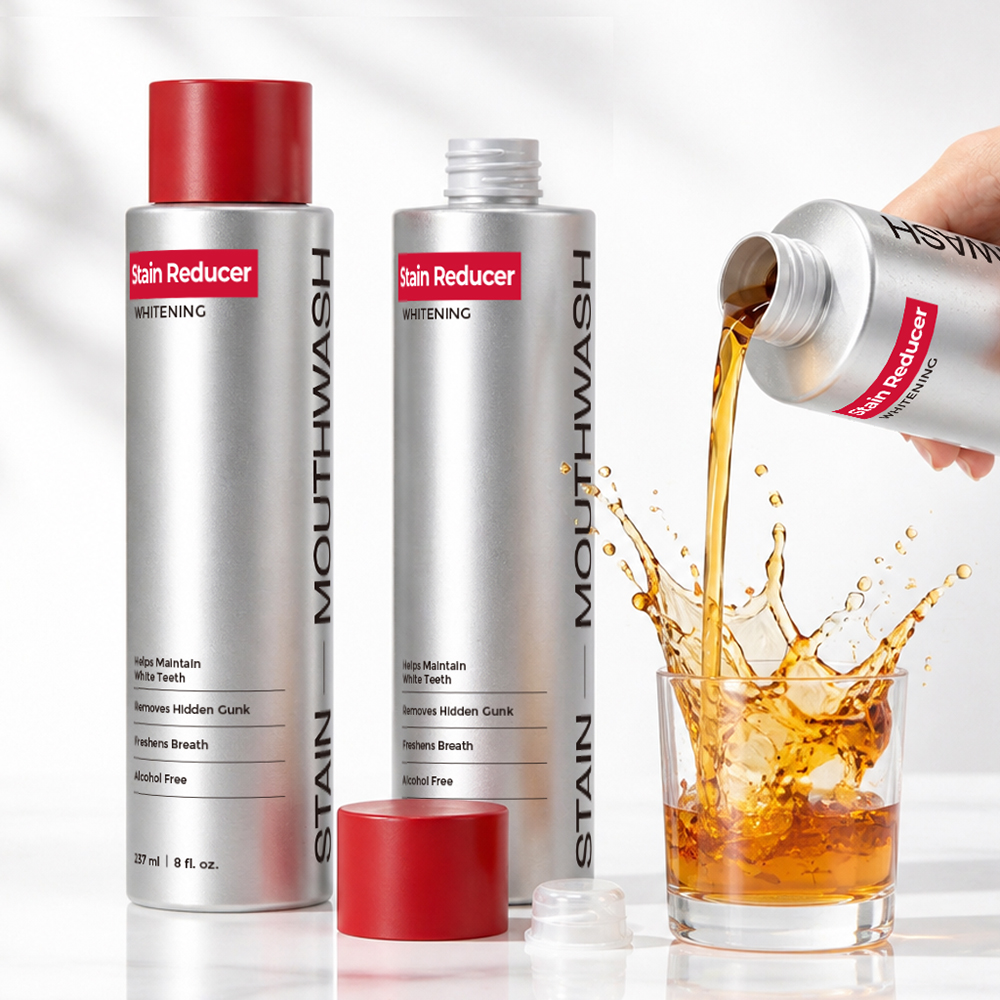
Phthalimidoperoxycaproic acid (PAP) operates differently. It oxidizes chromogens directly without releasing free radicals — the mechanism cited for its lower irritation profile. Peer-reviewed in vitro research published via PubMed confirms that PAP demonstrates meaningful whitening activity and may produce less enamel microhardness disruption than peroxide comparators under laboratory conditions, though direct high-concentration clinical comparisons remain limited in the published literature.
Clinical Results: Speed, Shade Lift, and Session Count
Practitioners ordering for an in-chair service model evaluate actives against the same criteria patients use to judge outcomes: how many shades, how quickly, and across how many appointments.
High-concentration HP delivers the fastest observable shade lift in a single session. For a clinic running high patient volume with limited appointment slots, that session efficiency is a hard operational requirement — not a preference. It is the primary reason in-office clinics continue to specify HP-based gels despite the sensitivity trade-offs discussed below.
CP take-home kits are designed around cumulative results over a defined wear period. Shade progression is more gradual, but patient compliance tends to be higher when sensitivity is managed well. For clinics that bundle in-chair and take-home protocols, CP provides a logical continuation phase without requiring additional appointments.
PAP-based formulations are most accurately positioned for patients with existing sensitivity, those maintaining post-treatment results, or service channels where a peroxide-free claim carries commercial value. The in vitro evidence supports PAP's whitening efficacy. Practitioners should set realistic expectations, however: PAP is not a substitute for high-concentration HP when a dramatic single-session result is the clinical objective.
Sensitivity and Safety Profiles Across Patient Populations
Sensitivity is one of the most consistent reasons patients discontinue whitening programs — and one of the most actionable variables in formulation selection.
HP at professional concentrations carries the highest acute sensitivity risk. The free radical activity that drives rapid bleaching also affects pulpal tissue, and transient post-treatment sensitivity is a well-documented clinical outcome. Practitioners working with patients who have pre-existing dentinal sensitivity, exposed root surfaces, or multiple restorations need to factor this into both active selection and protocol design.
CP's slower HP release rate generally produces lower acute sensitivity compared to equivalent HP concentrations applied directly. The extended wear time distributes chemical exposure across hours rather than a single concentrated session — a profile most patients tolerate better. Cumulative exposure over a full treatment course still requires monitoring in sensitive patient populations.
PAP's peroxide-free mechanism is the primary clinical rationale for its use with sensitivity-prone patients. Because PAP does not release free radicals, the pathway for pulpal irritation is different and, based on current in vitro evidence, potentially lower. For spa and wellness operators working outside direct dental supervision, PAP reduces the clinical risk profile of the service and the liability questions that come with it.
PAP vs Peroxide Professional Whitening: Regulatory Burden by Market
Regulatory compliance is not a back-office concern. For distributors managing multi-market portfolios, active selection directly determines which products can be sold, at what concentration, and through which channels.
Hydrogen peroxide is the most tightly regulated active across major markets:
- European Union: Consumer products are capped at 0.1% HP. Concentrations between 0.1% and 6% are restricted to dental professionals. Above 6% requires prescription-level justification.
- United States: The FDA does not currently have a finalized OTC monograph for tooth whiteners, creating a complex registration environment. Professional-use HP products sold through dental channels operate under different scrutiny than consumer-facing SKUs.
- United Kingdom: Post-Brexit, the UK retained EU-equivalent HP concentration limits for consumer products, with professional-use thresholds aligned to dental practitioner supply.
- GCC markets: Requirements vary by member state, but most apply concentration limits and require product registration before market entry. HP-based products frequently require additional documentation at the border.
Carbamide peroxide is evaluated by regulators in terms of its HP equivalent. Distributors should not assume that labeling a product as carbamide peroxide — rather than hydrogen peroxide — changes its regulatory classification in most jurisdictions. The HP released on breakdown is what regulators assess.
PAP-based formulas carry a comparatively lighter regulatory burden in most markets because PAP is not a peroxide compound. This is a material advantage for distributors entering markets with strict peroxide limits, or for brand owners building consumer-facing SKUs that need to clear retail channel compliance without the professional-use restrictions attached to HP products.
What Practitioners Are Actually Ordering — and Why
Order patterns across professional channels reflect service model logic more than ingredient preference.
In-office dental clinics with high patient throughput continue to specify HP-based in-chair gels. The efficiency argument is direct: a single session with a professional-concentration HP gel delivers results that would take multiple take-home applications to replicate. Where chair time is a revenue constraint, HP remains the default active for treatment sessions.
Take-home programs — whether sold through dental clinics or premium pharmacies — skew toward carbamide peroxide. The overnight tray format is well-established, compliance data supports it, and the slower HP release makes the protocol manageable for a wider patient population without requiring in-chair supervision for every application.
The segment showing the clearest shift toward PAP is premium spas, wellness clinics, and beauty-adjacent service providers operating outside direct dental supervision. In these channels, a peroxide-free formulation resolves the regulatory and liability questions that come with offering whitening as a beauty service rather than a dental procedure. PAP also supports a differentiated brand narrative — sensitivity-safe, peroxide-free — that resonates with the wellness-oriented customer these operators serve.
Format Compatibility and Logistics Considerations
Active selection and delivery format are interdependent decisions. Not every active performs equally across every format, and logistics costs vary significantly by active.
| Format | HP | CP | PAP |
|---|---|---|---|
| Gel syringe (professional tray) | Standard — monitor pH and packaging | Standard — stable at professional concentrations | Compatible — generally wider pH stability |
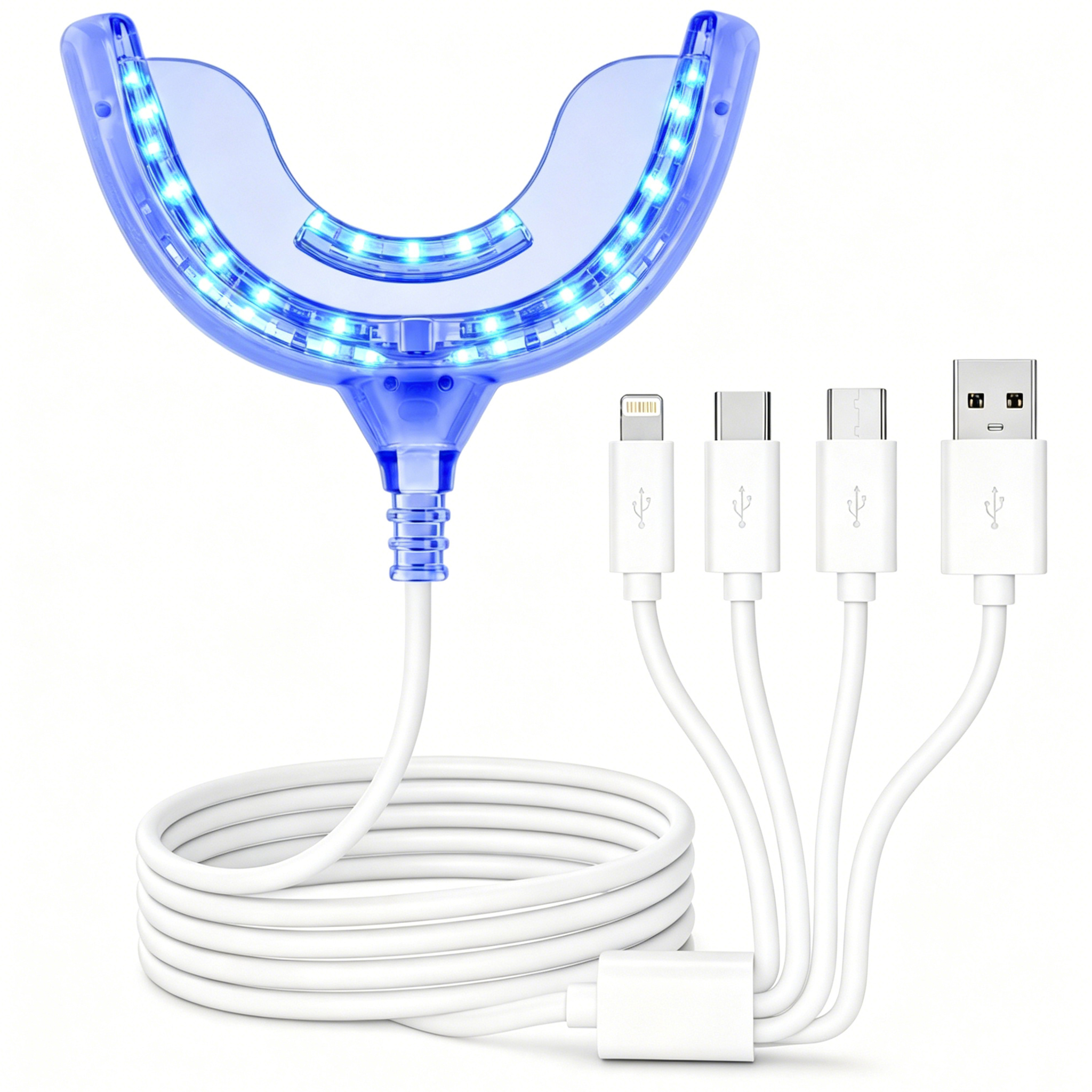
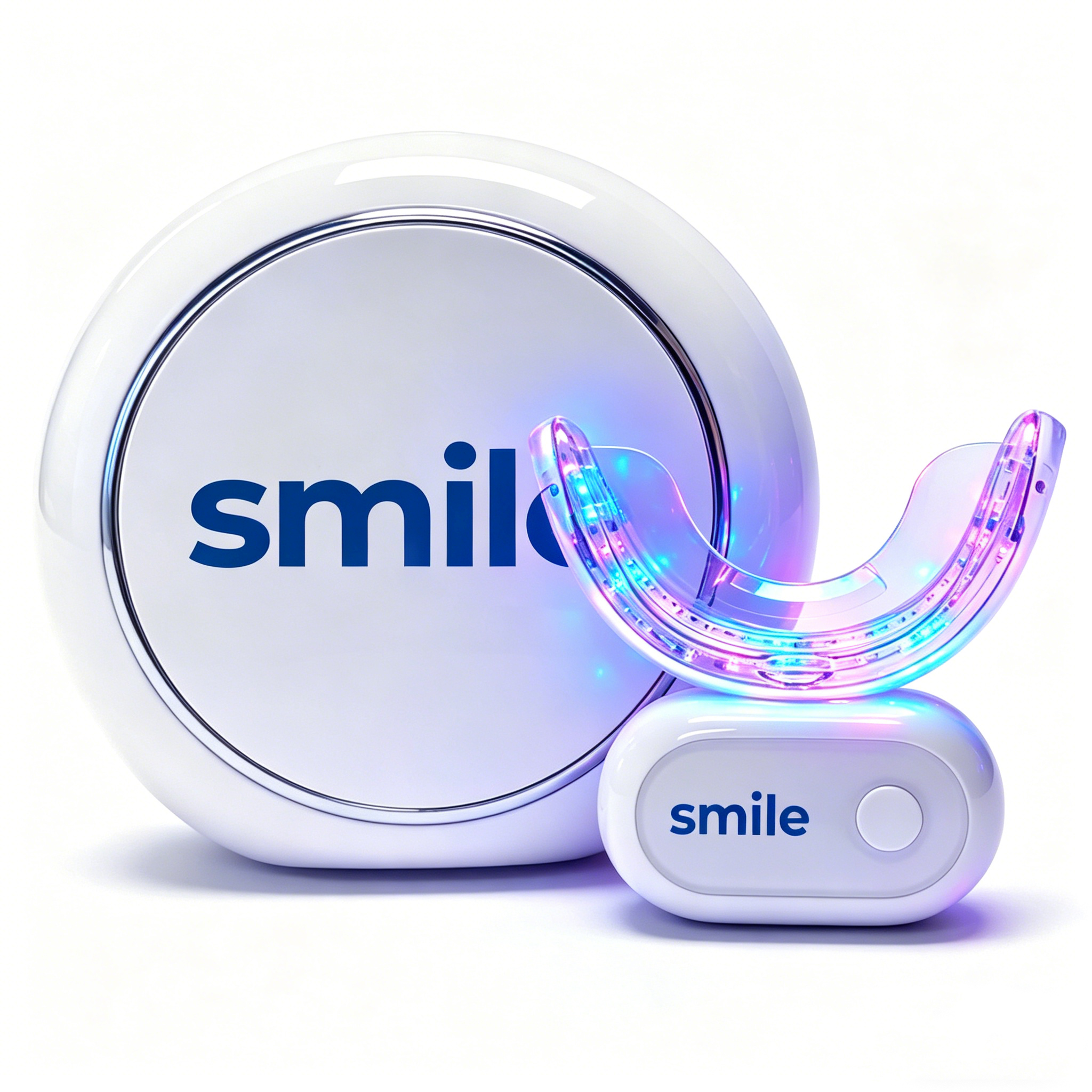
| LED-accelerated kit | Well-supported — light accelerates oxidation | Less common in this format | Commercially viable — acceleration mechanism less defined in literature |
| Whitening strips / pen | Lower-concentration consumer formats | Less suited to short contact times | Well-suited — stable and compatible with short contact formats |
Cold-chain requirements add cost and complexity to distribution, particularly for export. HP-based formulations at professional concentrations are sensitive to temperature and light exposure. PAP and lower-concentration CP formulations are generally more stable under ambient storage conditions — a logistics advantage for distributors managing cross-border inventory or markets with limited cold-chain infrastructure.
Key Questions Before Finalizing Your Formulation
Work through this checklist before entering a co-development conversation or placing a formulation order.
- What is the primary service channel? In-chair dental, take-home tray, spa and wellness, or retail? Each channel has a distinct active profile that fits.
- What are the HP concentration limits in your target market? Confirm before specifying any peroxide-based formula. This applies to both HP and CP products, since CP is assessed by its HP equivalent in most jurisdictions.
- What is your patient or end-user sensitivity profile? A clinic serving patients with significant sensitivity history should weight PAP or low-concentration CP more heavily in the formulation brief.
- What result timeline does your service model require? Single-session dramatic lift points toward HP. Gradual maintenance or a sensitivity-safe positioning points toward PAP or low-concentration CP.
- What delivery format are you specifying? Confirm active compatibility with the format before finalizing concentration targets — particularly for LED kits and short-contact formats.
- What are your cold-chain and shelf-life requirements? Higher-concentration HP formulas require more controlled storage. Factor this into landed cost and distribution model before committing to a product architecture.
- Is a peroxide-free claim commercially valuable in your channel? If yes, PAP is the only active that supports it. Verify that your formulation partner can substantiate the claim with appropriate technical documentation.
The right active is the one that fits the clinical outcome, the channel, and the market — not the one that sounds most advanced. Matching those three variables before finalizing a formulation saves significant rework downstream.
References
One peer-reviewed source was verified as authoritative for this article. Additional regulatory context is drawn from publicly accessible official sources cited below. No competitor brand sites, trade publications, or commercial blogs are referenced.
- Phthalimidoperoxycaproic Acid (PAP) Versus Peroxides and Impact on Whitening Effectiveness, Enamel Microhardness, and Morphology — PubMed Central (PMC), peer-reviewed
- Teeth Whitening Products — U.S. Food and Drug Administration (FDA)
- EU Cosmetics Directive Amendment on Hydrogen Peroxide Concentration Limits — EUR-Lex, European Union
Note: The body of peer-reviewed clinical literature comparing PAP to peroxide actives at professional concentrations remains limited as of 2026. Formulation decisions should be made in consultation with qualified dental and regulatory professionals, and sourcing teams are encouraged to monitor emerging clinical literature via PubMed for updated evidence.
Disclaimer
This article is for general informational purposes only and does not constitute sourcing, legal, or regulatory advice. Always conduct your own due diligence and consult qualified legal or compliance professionals before making purchasing or compliance decisions. WhiteningBright makes no warranties as to the completeness or accuracy of the information, and any reliance is at your own risk.