Sustainable Personal Care Packaging Trends Reshaping Beauty
5 mai 2026
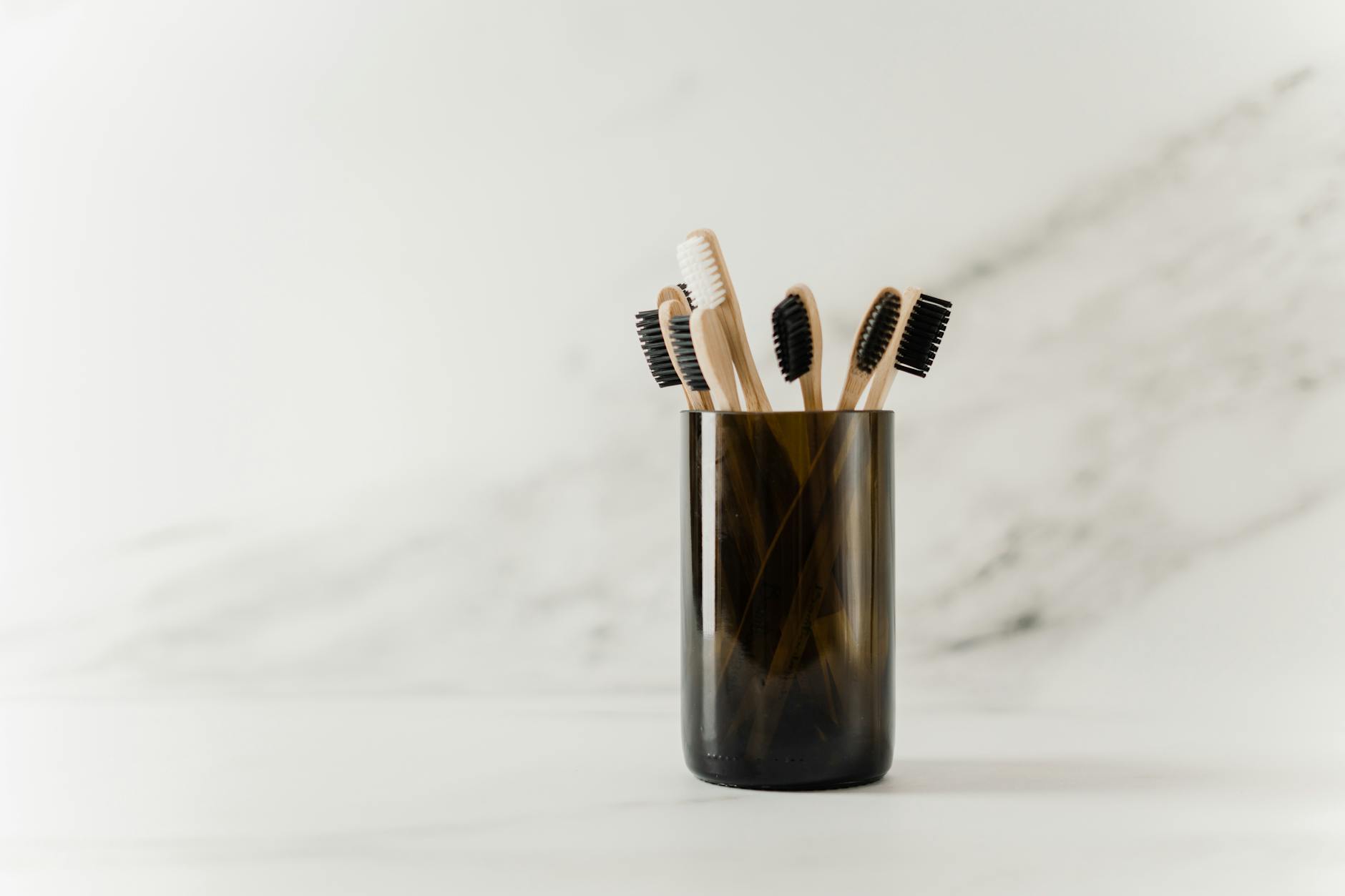
Sustainable Personal Care Packaging Is Reshaping the Beauty Industry in 2026
Sustainable personal care packaging has moved from niche priority to industry mandate, as over 120 billion units of beauty packaging flood the global market every year—and the majority still ends up in landfills. The personal care sector faces a reckoning: brands that fail to overhaul their packaging strategies risk losing relevance with consumers who now treat environmental responsibility as a non-negotiable purchasing criterion. The scale of the problem is difficult to overstate. Personal care packaging accounts for a significant share of global plastic waste, with pump bottles, multi-layer tubes, and non-recyclable composite caps presenting recycling challenges that most municipal systems cannot handle. Carbon emissions from manufacturing, transportation inefficiencies from oversized containers, and resource depletion during production compound the environmental cost. Yet the crisis has triggered real innovation. Brands, packaging engineers, and material scientists are developing solutions that protect product integrity, satisfy safety requirements, and reduce ecological damage simultaneously. The result is one of the fastest-moving transformations in consumer goods manufacturing.Consumer Attitudes Are Rewriting Industry Rules

Refillable and Reusable Systems Lead Sustainable Personal Care Packaging

Design Factors That Determine Refillable Program Success
Durability and ease of use are the two variables that determine whether a refillable program achieves adoption or collects dust. Materials must withstand repeated cleaning cycles without degrading aesthetically or structurally. Refilling mechanisms must prevent spills and contamination, or consumer frustration will terminate participation within one or two cycles. Research published in the Journal of Applied Packaging Research demonstrates that packaging material itself—not color or pictorial elements—most strongly influences consumer perceptions of naturalness and environmental responsibility. Labels indicating natural or recycled origin significantly boost perceived product quality, giving brands a functional reason to communicate material choices prominently.Biodegradable Materials and the Circular Economy Shift
Bioplastics derived from cornstarch, sugarcane, and seaweed now offer performance characteristics that rival petroleum-based plastics for many personal care applications. Plant-based polymers engineered to decompose within 180 days under industrial composting conditions can be formulated with varying barrier properties, moisture resistance levels, and structural strengths—making them viable for shampoo bottles, cream jars, and flexible pouches. A PMC-published study on edible cosmetics and packaging upcycling confirms that eco-materials like bioplastics minimize waste and extend shelf life while promoting circular economy principles through the 4Rs framework: reduce, reuse, recycle, and recover. Organic waste upcycling—using agricultural byproducts as raw material inputs—closes production loops that traditional plastic manufacturing leaves wide open. Mycelium packaging, grown from fungal root structures, has moved from experimental to commercial use. Brands have introduced home-compostable mycelium components for secondary packaging, while other innovators incorporate upcycled plant waste at concentrations reaching 55% of total material composition in products like razors. These are not concept prototypes—they are live SKUs on retail shelves in 2026.
Certification Standards That Prevent Greenwashing
ASTM D6400 and EN 13432 provide internationally recognized benchmarks for compostability claims. Brands that carry these certifications give consumers and retailers a verifiable basis for sustainability claims. Without certification, biodegradability claims are increasingly treated as greenwashing by regulators in the EU, UK, and several US states—a legal and reputational risk that brands cannot afford in 2026's regulatory environment.PCR Plastics and the Push for Closed-Loop Systems
Post-consumer recycled plastics have become a baseline expectation rather than a premium feature. Leading brands have set targets of 25% PCR content across packaging portfolios, with full recyclability commitments extending to 2025 and 2030 deadlines. The industry-wide push for over 120 billion annual packaging units to shift toward PCR and recycled-content materials is generating scale that is beginning to reduce the cost premium associated with recycled feedstocks. PCR plastics present technical challenges—color inconsistency, potential contamination from prior use, and variable mechanical properties—that require investment in quality control and supplier relationships. Brands that solve these challenges gain a competitive advantage, because PCR adoption at scale requires supply chain capabilities that smaller competitors cannot easily replicate. Closed-loop take-back programs, where brands collect used containers for reprocessing into new packaging, represent the most ambitious implementation of PCR strategy. Several major personal care companies operate such programs through retail partners and direct mail returns, building proprietary recycled material streams that reduce dependence on commodity recycled plastic markets. For brands tracking how material standards translate into production requirements, production and quality control best practices in personal care manufacturing provides a framework for integrating sustainability targets into operational systems.Waterless and Concentrated Formats Reduce Packaging at the Source
Concentrated formulas and waterless products attack the packaging problem from the source: by eliminating water, they dramatically reduce the volume and weight of material required to deliver equivalent product value. Concentrated formulas can achieve up to 70% packaging reduction compared to traditional liquid formulations, with corresponding reductions in transportation emissions and storage space throughout the supply chain. Solid shampoo bars, cleansing balms, and powder-to-foam cleansers have achieved mainstream retail placement in 2026, moving well beyond the natural beauty segment that initially drove adoption. These products frequently require only compostable paper wrapping or small aluminum tins—packaging formats with established recycling infrastructure and low material weight. Effervescent tablet formats for oral care products and dissolvable pods for hair care represent a precise application of concentration technology. Consumers add water at the point of use, activating the formula while receiving only a fraction of the packaging material that a pre-diluted product requires. The compact format also improves shipping density, reducing the carbon cost per unit delivered. Consumer education remains the primary adoption barrier for waterless formats. Brands that invest in clear usage instructions, demonstration content accessible via QR codes, and accurate performance comparisons with familiar liquid products convert skeptical consumers into loyal advocates for the format.Smart Packaging Reduces Waste Through Precision and Transparency
NFC tags and QR codes embedded in packaging now deliver real-time recyclability instructions, material certifications, and product authentication directly to consumer smartphones. This eliminates the labeling space constraints that previously forced brands to simplify sustainability messaging, enabling detailed environmental data without cluttering physical packaging design. Smart dispensing systems use sensors to calibrate product release to the minimum effective dose, reducing overuse waste that represents a significant share of total product consumption. In clinical testing environments, precision dispensing has demonstrated 20 to 30% reductions in product consumption per application cycle—a benefit that simultaneously reduces packaging consumption rates and extends product lifespan for consumers. Subscription refill programs paired with smart packaging data create feedback loops that allow brands to optimize refill timing, reduce expedited shipping triggered by running out of product, and build consumer usage profiles that improve future formulation and packaging decisions. The data generated by smart packaging is becoming a strategic asset in its own right.Oral Care Packaging Faces the Same Sustainability Pressures
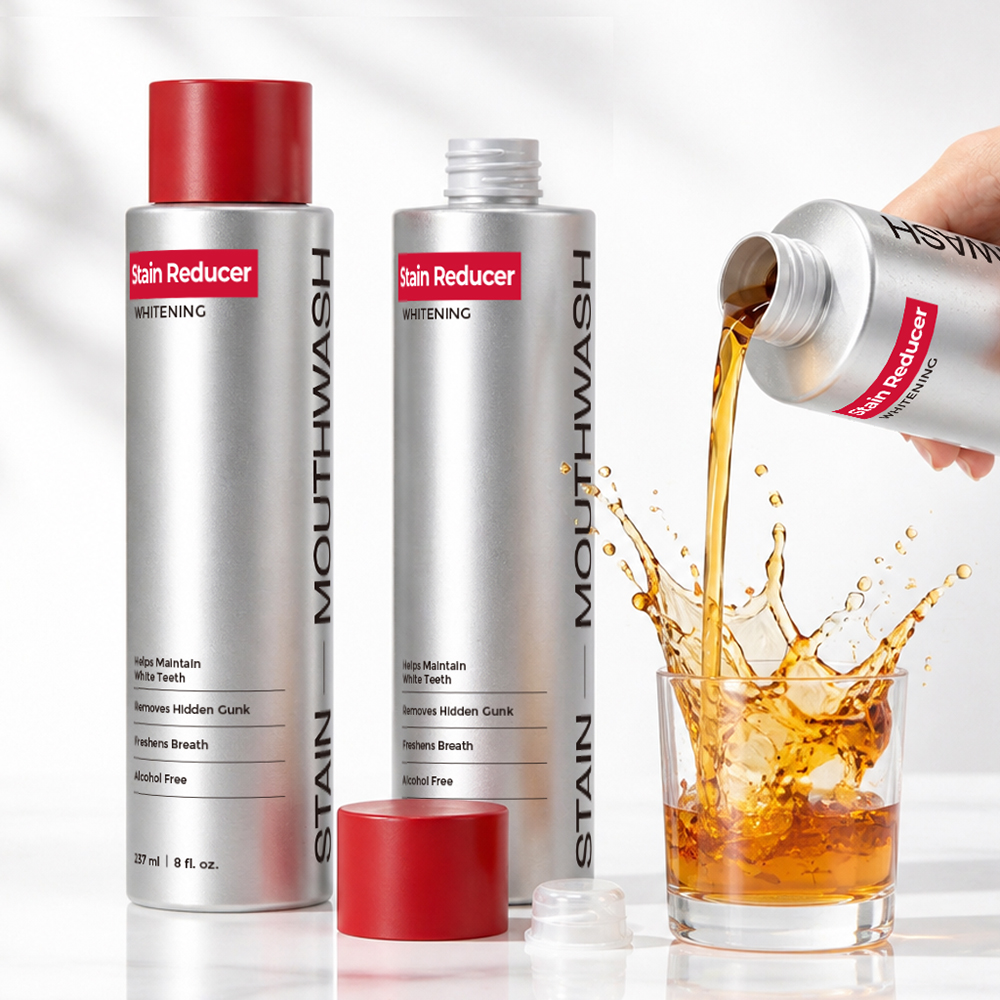
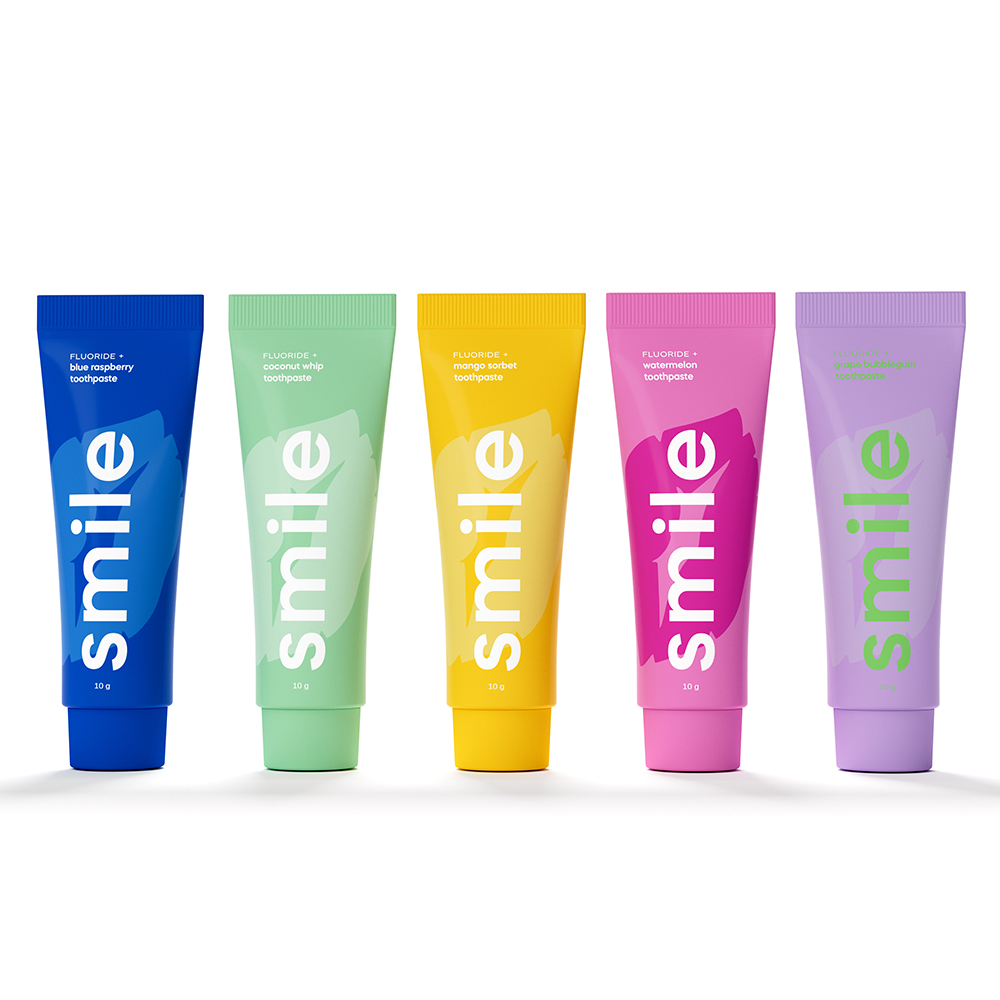
Toothpaste tubes, floss containers, mouthwash bottles, and toothbrush packaging collectively represent millions of tons of annual waste. The oral care segment is subject to the same consumer demands and regulatory trajectories driving change across personal care, and the same material innovations—bioplastics, refillable systems, concentrated tablets—are being deployed in dental products. Aluminum toothpaste tubes with high PCR content, refillable electric toothbrush handles with replaceable heads, and dissolvable mouthwash tablets in glass bottles are all active product categories in 2026. Brands that understand how sustainable packaging choices interact with oral care product performance requirements will be positioned to lead this transition. Staying current with industry news and sustainability developments in oral care is essential for professionals and brand managers who need to anticipate regulatory shifts and consumer expectation changes before they hit the mainstream market.What Comes Next for Sustainable Personal Care Packaging
The trajectory of sustainable personal care packaging in 2026 points toward convergence: refillable systems becoming standard rather than premium, PCR content requirements codified in regulation rather than left to voluntary commitment, and waterless formats achieving parity with liquid products in major retail categories. Material science continues to advance, with next-generation bioplastics offering performance profiles that will expand into packaging applications currently held by petroleum-based materials. Mycelium composites, seaweed-derived films, and upcycled agricultural waste materials are scaling from artisan production to industrial volumes. Brands that treat sustainable personal care packaging as a core product development parameter—rather than a communications add-on—will build the operational capabilities, supplier relationships, and consumer trust that define category leadership in the years ahead. The window for differentiation through sustainability is narrowing as baseline expectations rise; acting now delivers competitive advantage that waiting will eliminate.Frequently Asked Questions
What materials are considered sustainable for personal care packaging?
Materials with strong sustainability credentials include post-consumer recycled plastics, bioplastics derived from renewable plant sources, aluminum, glass, bamboo, and certified compostable materials meeting ASTM D6400 or EN 13432 standards. The best choice depends on the product format, required barrier properties, and available end-of-life infrastructure for the target consumer market.Are refillable packaging systems cost-effective for brands?
Refillable programs typically generate higher lifetime customer value and improved margins on refill unit economics compared to single-use packaging. The primary cost investment is in durable primary container design and the logistics infrastructure required to support refill distribution. Brands with high repurchase frequency products realize the strongest financial case for refillable systems.How do waterless beauty products reduce packaging waste?
Waterless and concentrated formulas require smaller containers by eliminating the water that constitutes 60 to 80% of most liquid personal care formulations. Concentrated products can reduce packaging material use by up to 70% while delivering equivalent performance across the product's usage lifetime.What certifications should consumers look for on sustainable packaging?
ASTM D6400 certifies compostability in industrial composting facilities. EN 13432 is the equivalent European standard. The How2Recycle label in North America provides standardized recyclability guidance. Cradle to Cradle certification evaluates material health, recyclability, and supply chain practices across the full product lifecycle.Is biodegradable packaging always better than recyclable packaging?
Not necessarily. Biodegradable materials require specific disposal conditions—industrial composting facilities or home compost environments—to break down as intended. If biodegradable packaging enters a standard landfill, it may degrade no faster than conventional plastic. Recyclable packaging with established collection and reprocessing infrastructure can deliver superior environmental outcomes depending on regional waste management capabilities.References
- Blahnik, T. & Eckelman, M. — Design of Sustainable Packaging for Natural Cosmetics, Journal of Applied Packaging Research (2026)
- "Edible Beauty": The Evolution of Environmentally Friendly Cosmetics and Packaging — PMC / National Library of Medicine (2026)
- Daminova, et al. — Re-evaluating Beauty: Attitudes and Perceptions of Eco-Friendly Cosmetic Packaging, Sustainable Production and Consumption (2026)
- ZACROS America — Beauty and Personal Care Packaging Trends: Refillable Systems and PCR Adoption (2026)
- Cosmopak — The Future of Sustainable Beauty Packaging: Trends and Innovations (2026)
- Mintel — The Future of Beauty Packaging: What Brands Need to Know (2026)