Whitening Service Tiers: Pricing Structures That Hold Margin
August 31, 2026
Build whitening service pricing tiers that protect gross margin at every level. A practical framework for clinic owners and spa operators.
Why Flat-Rate Whitening Pricing Leaves Money on the Table
Most clinics and spas that add teeth whitening to their service menu set a single price point and hold it. That approach is operationally simple and consistently underperforms. A flat whitening service pricing tiers structure fails to capture patients willing to pay more for faster results — and it overcharges, or under-serves, patients who need only stain management. Both outcomes erode either revenue or retention.
The mechanics are straightforward. In-office protocols, supervised at-home bleaching, and adjunct stain-management products each deliver meaningfully different clinical outcomes on different timelines. That performance gap is the foundation of a defensible tier structure — and the basis for charging accordingly.
A tiered menu also protects you from margin compression. When every patient receives the same protocol regardless of their case, your highest-cost consumables get used on low-value appointments and your highest-value patients leave undertreated. Structuring whitening service pricing tiers by clinical intensity, product cost, and outcome expectation solves both problems at once.
Three-Tier Architecture for Whitening Service Pricing Tiers
A practical three-tier framework maps to three distinct clinical categories: stain management, supervised at-home bleaching, and in-office or combined protocols. Each tier needs a defined outcome promise, a defined consumable cost, and a defined patient profile before you set a retail price.
Entry Tier: Stain Management
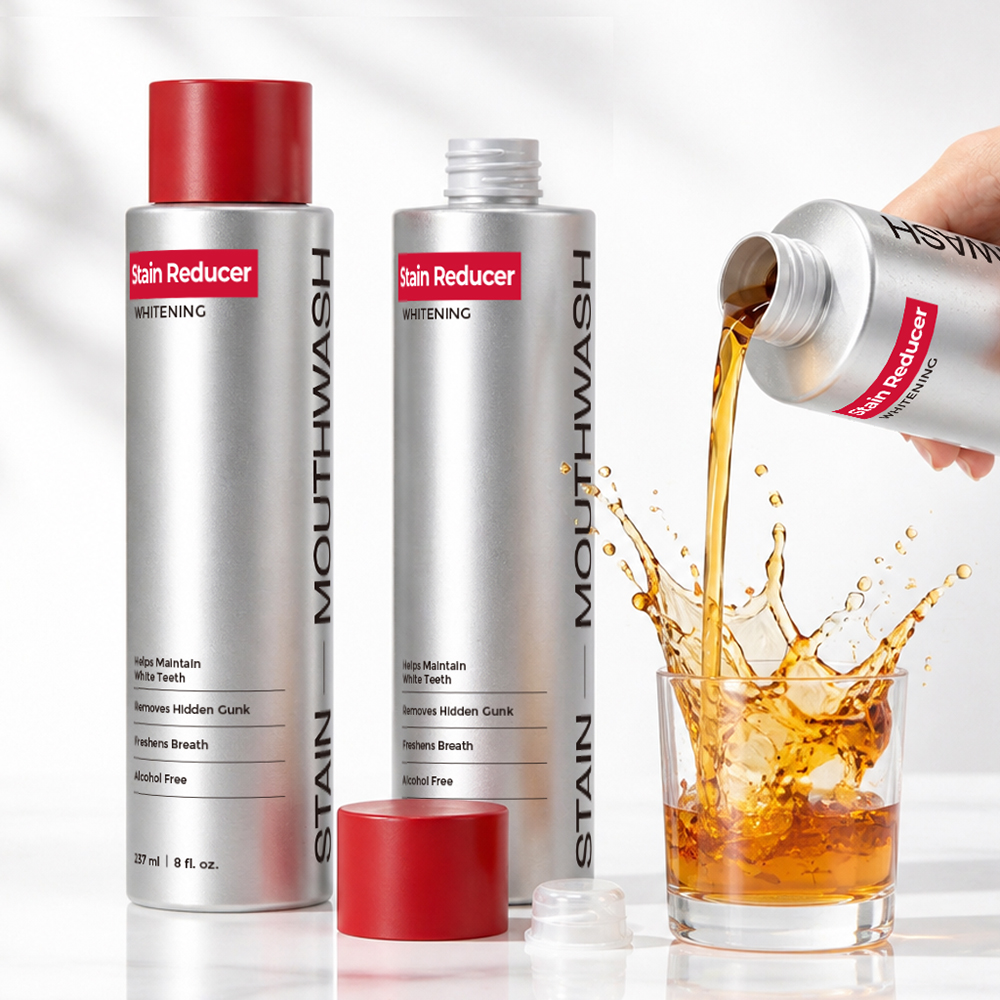
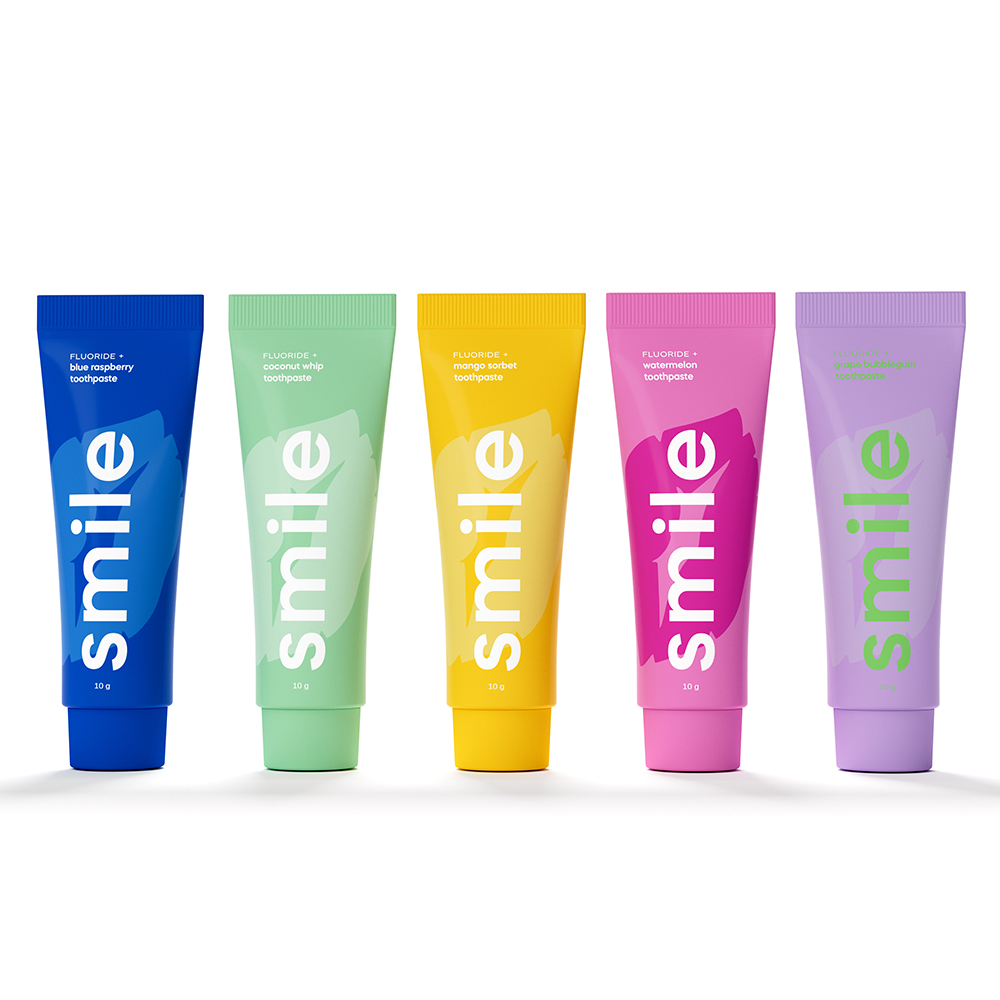
This tier is built around whitening dentifrices and low-concentration adjunct products. A systematic review and meta-analysis confirmed that whitening dentifrices measurably reduced both stain area and stain intensity — making them clinically defensible for surface stain control, but not for dramatic shade change [5]. Position this tier honestly: it is a maintenance and prevention service, not a transformation protocol.
Entry-tier services work well as add-ons to hygiene appointments, as introductory experiences for new patients, or as the first step in a staged treatment plan. Consumable cost is low, chair time is minimal, and margin per appointment can be strong if priced correctly relative to product cost. Keep entry-tier appointments short and systematized.
Core Tier: Supervised At-Home Bleaching
This is the workhorse of most whitening menus. Custom tray fabrication combined with a dispensed peroxide or PAP-based gel delivers a clinically meaningful result with moderate chair time. Research confirms that at-home systems often require significantly longer total treatment time than in-office systems to achieve comparable outcomes — but once achieved, those results hold [2]. A systematic review found at-home bleaching results were generally stable for one to two and a half years [3].
That durability is a pricing lever. A core-tier package covering the initial consultation, tray fabrication, a dispensed gel kit, and a scheduled follow-up can be priced as a complete protocol rather than a single appointment. The follow-up creates a natural upsell opportunity and reinforces the clinical supervision narrative that separates your service from over-the-counter alternatives.
Premium Tier: In-Office or Combined Protocol
The premium tier delivers the fastest visible result and commands the highest per-appointment revenue. In-office whitening uses higher-concentration peroxide under direct clinical supervision, often combined with a take-home maintenance component to extend and stabilize results. The ADA confirms that peroxide-containing products are safe and effective when used by or under dentist supervision, with transient sensitivity and soft tissue irritation as the most common and temporary side effects [6].
Premium-tier pricing should reflect the full cost of the appointment: higher-concentration consumables, longer chair time, clinical oversight, and the outcome certainty implied by the price. Patients selecting this tier are paying for speed and a predictable result — price accordingly.
Product Cost Benchmarks and the Margin You Must Protect
Whitening service pricing tiers only hold if the margin structure at each level is defined before you set retail prices. As a working rule, target a gross margin of at least 60 to 70 percent on consumables used per appointment. That figure must account for product cost, disposables, and a proportional share of consumable waste.
Entry-tier consumable costs are the lowest of the three categories. Whitening dentifrices and low-concentration adjunct products carry minimal per-unit cost, which means even modest service fees generate strong margin — provided chair time stays short.
Core-tier cost structures are more variable. Custom tray fabrication carries a one-time lab cost that must be amortized across the protocol price. The dispensed gel becomes a recurring cost if the patient returns for top-up supply. Build your core-tier price to cover tray fabrication, the initial gel kit, the follow-up appointment, and a margin buffer for the dispensed refill sold at retail.
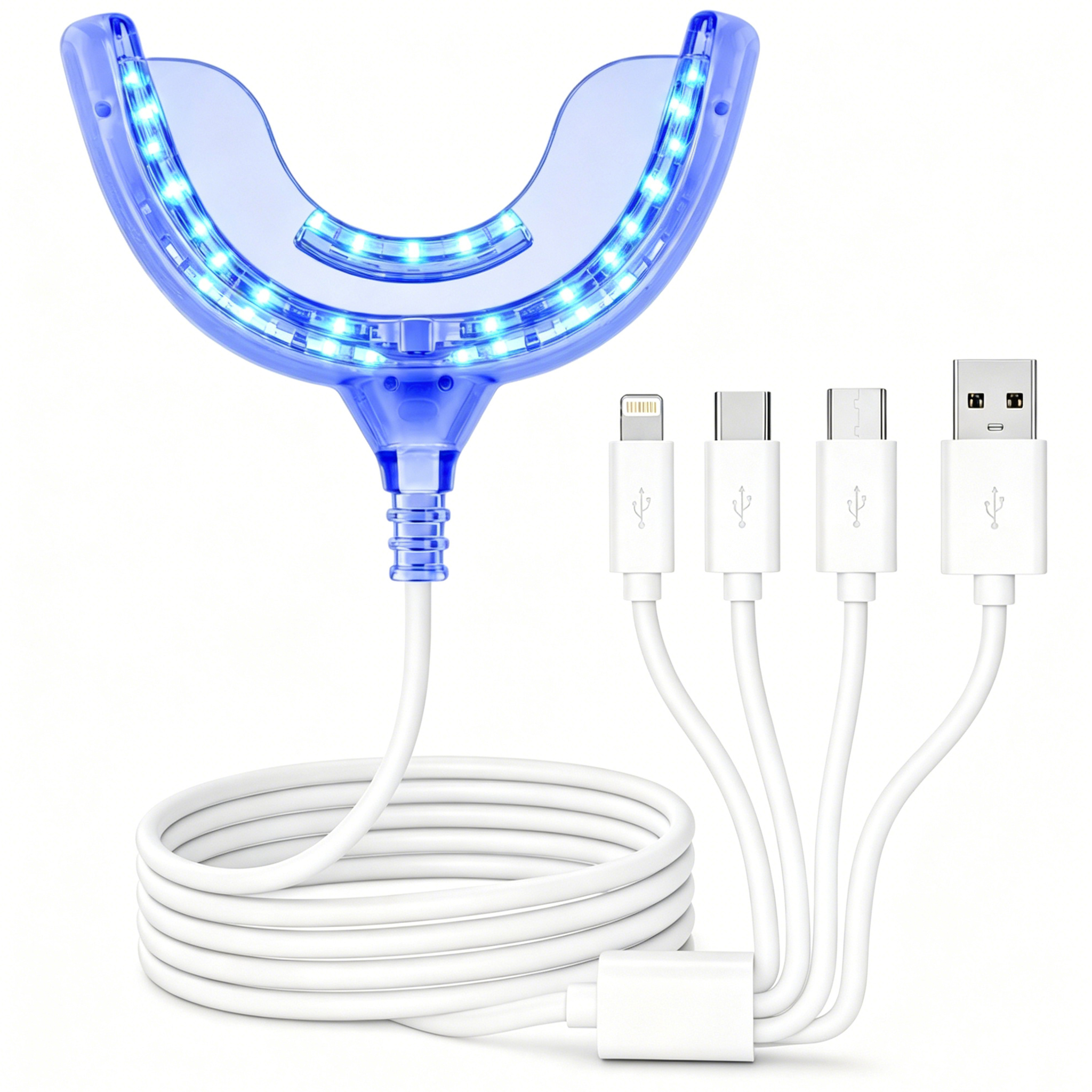
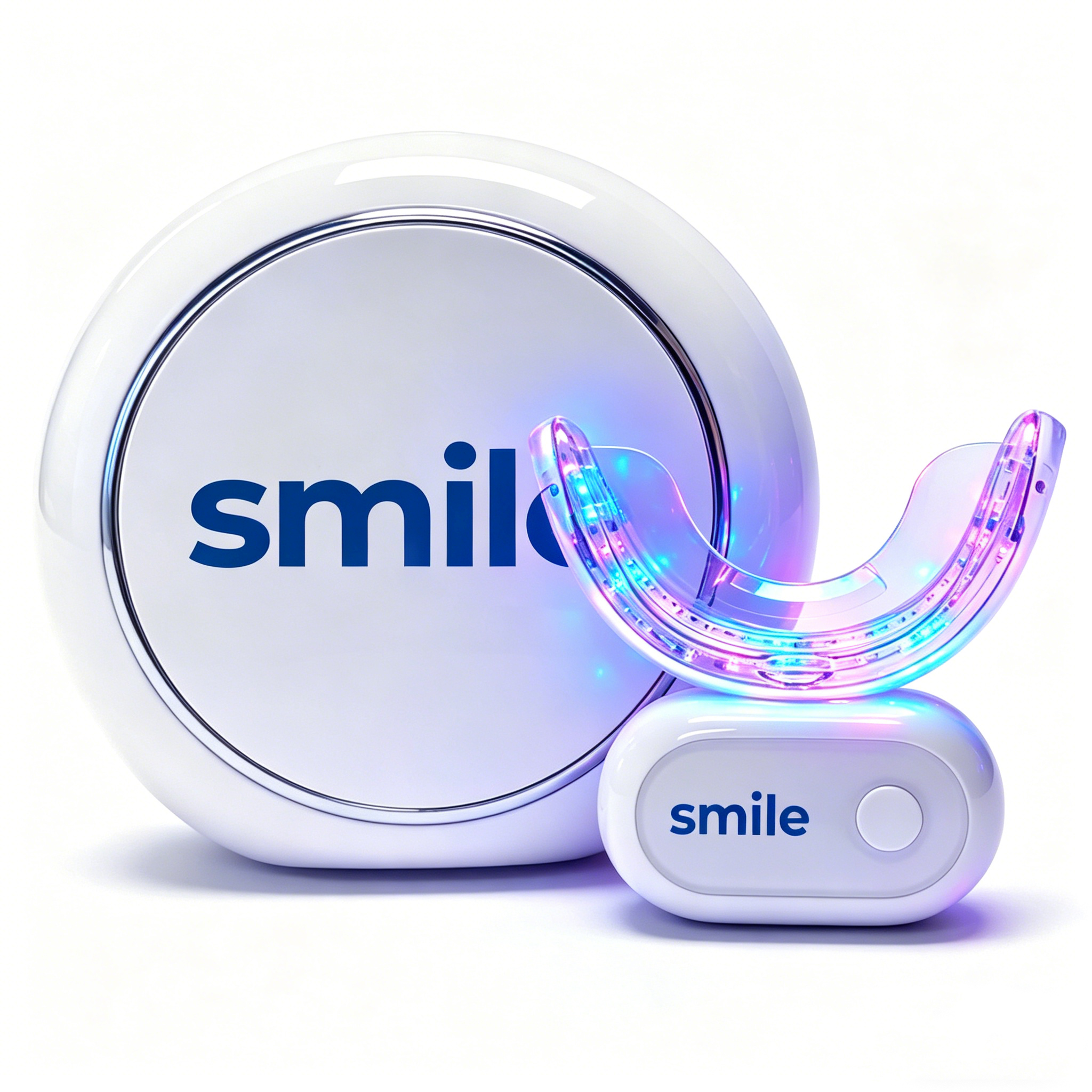
Premium-tier in-office products — particularly higher-concentration peroxide gels and any light-activation consumables — carry the highest per-appointment product cost. The margin percentage may be lower than entry or core tiers, but the absolute margin per appointment must be the highest of the three. If your premium-tier dollar margin does not exceed your core tier by a meaningful amount, the price needs to move up or the consumable specification needs to be reviewed.
Upsell Triggers Built Into the Treatment Flow
Upselling in a clinical or spa environment works when it follows a logical treatment narrative, not a sales script. The most effective upsell triggers are built into the appointment structure itself.
- Pre-treatment shade assessment: Documenting the starting shade creates a concrete reference point. Patients who see their baseline shade are more likely to invest in a higher-intensity protocol or a maintenance plan to protect their result.
- Sensitivity disclosure: Reviewing the sensitivity profile of each tier — and explaining that supervised protocols include sensitivity management — positions the core and premium tiers as the safer, more controlled choice compared to unsupervised OTC products. Research confirms that OTC whitening products carry real safety concerns, particularly around sensitivity and soft tissue irritation [4].
- Result timeline conversation: Because at-home systems require significantly more total treatment time than in-office systems to achieve comparable outcomes [2], a straightforward side-by-side timeline comparison is often sufficient to move a patient from core to premium without additional persuasion.
- Post-treatment photography: Documenting the result creates a natural entry point for discussing maintenance scheduling and take-home retail — and builds the patient record that supports rebooking.
Take-Home Retail as a Margin Layer, Not an Afterthought
Retail product sales at the point of service are one of the highest-margin revenue streams available to a whitening practice or spa. Most operators treat retail as optional — available if the patient asks, but not systematically offered. That approach leaves consistent revenue unrealized.
The clinical case for take-home retail is direct. At-home bleaching results are stable for one to two and a half years [3], but surface staining from diet and lifestyle begins accumulating immediately after treatment. A dispensed whitening dentifrice or a low-concentration maintenance gel addresses that stain accumulation between professional appointments and extends the perceived value of the in-chair treatment.
Structure retail to correspond to each service tier:
- Entry tier: Patient leaves with a whitening dentifrice formulated for daily stain control.
- Core tier: Patient leaves with a maintenance gel and a refill schedule tied to their tray protocol.
- Premium tier: Patient leaves with a complete post-treatment kit — dentifrice, sensitivity-management product, and a scheduled refill appointment.
Hydroxyapatite-based products are worth considering for the sensitivity-management component of retail kits. A systematic review found whitening effects from hydroxyapatite-containing oral care products, though the evidence base is still developing [1]. Their primary retail value is remineralization and sensitivity reduction — a clinically supportable claim that complements the whitening narrative without overpromising.
Bundling Maintenance Kits to Extend Revenue Beyond the Chair
A maintenance kit bundle converts a single-appointment transaction into a recurring revenue relationship. At the conclusion of any core or premium-tier appointment, the patient is offered a maintenance protocol — typically a three- or six-month supply of take-home product — at a bundled price that is lower than purchasing each component individually but higher-margin than a single retail sale.
The clinical rationale supports the commercial structure. Because whitening results are durable for one to two and a half years under normal conditions [3], a six-month maintenance kit is a reasonable and defensible recommendation. It is not overselling — it is aligning the product recommendation with the evidence on result longevity.
For spa operators without a clinical team, maintenance kits also maintain patient contact between appointments without requiring chair time. A well-designed kit with clear usage instructions and a scheduled reorder prompt keeps your brand present in the patient's daily routine and creates a natural trigger for rebooking.
Reviewing Your Whitening Service Pricing Tiers as Product Costs Shift
Whitening service pricing tiers are not set-and-forget structures. Product costs — particularly for peroxide-based gels and custom tray materials — fluctuate with supply conditions, regulatory changes, and formulation shifts. A pricing review cadence of every six months is a practical minimum for any practice running a meaningful volume of whitening appointments.
Structure each review around three questions:
- Has consumable cost per appointment changed at any tier? If product costs have increased and service prices have not moved, margin is being compressed silently. Recalculate cost-per-appointment for each tier and compare against current pricing.
- Has the patient mix shifted between tiers? If most patients are selecting the entry tier, the core and premium tiers may be priced too high relative to the perceived value differential — or the upsell triggers in the treatment flow are not working. If most patients are selecting premium, consider whether a price increase is supportable.
- Are retail attachment rates holding? Retail sales per appointment are a leading indicator of whether the take-home narrative is being delivered consistently. A falling attachment rate signals a gap in the consultation flow, not a gap in product demand.
A tiered whitening service menu is a revenue architecture. Like any architecture, it requires periodic review to remain structurally sound. The clinics and spa operators who protect margin long-term are the ones who treat pricing as an active discipline — not a one-time decision.
References
- [1] Sanz M, et al. Tooth Whitening with Hydroxyapatite: A Systematic Review. PubMed. https://pubmed.ncbi.nlm.nih.gov/36826195/
- [2] Meireles SS, et al. Treatment Durations and Whitening Outcomes of Different Tooth Whitening Systems. PubMed. https://pubmed.ncbi.nlm.nih.gov/37374334/
- [3] Bersezio C, et al. Prognosis in Home Dental Bleaching: A Systematic Review. PubMed. https://pubmed.ncbi.nlm.nih.gov/37273018/
- [4] Vaz VTP, et al. Effectiveness and Safety of Over-the-Counter Tooth Whitening Products. PubMed. https://pubmed.ncbi.nlm.nih.gov/36768279/
- [5] Effect of Whitening Dentifrice on Discoloration of Tooth Surface: An Updated Systematic Review and Meta-Analysis. PubMed. https://pubmed.ncbi.nlm.nih.gov/40254592/
- [6] Australian Dental Association. Policy Statement 2.2.8 — Teeth Whitening (Bleaching) By Persons Other Than Dental Practitioners. https://ada.org.au/policy-statement-2-2-8
Disclaimer
This article is for general informational purposes only and does not constitute sourcing, legal, or regulatory advice. Always conduct your own due diligence and consult qualified legal or compliance professionals before making purchasing or compliance decisions. WhiteningBright makes no warranties as to the completeness or accuracy of the information, and any reliance is at your own risk.