PAP vs. Hydrogen Peroxide: Which Whitening Ingredient Is Best?
18. April 2026
Two people walk out of the whitening aisle with different products. One buys a peroxide strip and gets visible results in three days—along with a week of tooth sensitivity so sharp that cold air becomes a problem. The other buys a PAP-based kit, feels nothing, and sees gradual brightening over two weeks. Neither is wrong. They simply chose different tools for different priorities. The debate between hydrogen peroxide and PAP Teeth Whitening is not really about which ingredient is superior in every category—it is about understanding what each one does, where each one falls short, and which trade-offs you are willing to accept. The science on both has matured considerably, and the picture that emerges is more nuanced than most product marketing suggests.
The Two Competing Mechanisms Behind Modern Whitening
Effective Teeth Whitening requires breaking apart chromogens—the organic molecules responsible for tooth discoloration. How an ingredient accomplishes that task determines everything: its speed, its depth of action, its enamel impact, and its side-effect profile. Hydrogen peroxide and phthalimidoperoxycaproic acid (PAP) both oxidize chromogens, but they take fundamentally different chemical routes to get there, and those differences produce dramatically different clinical outcomes.
Hydrogen peroxide (HP) works through free-radical oxidation. As it breaks down, it releases highly reactive oxygen species that attack the carbon-carbon double bonds holding large, deeply pigmented stain molecules together, fragmenting them into smaller, colorless compounds. Because hydrogen peroxide molecules are small and the tooth's enamel is porous, those reactive species do not stay on the surface—they migrate through enamel into the underlying dentin, which is where many of the most stubborn chromogens reside. That penetration is the source of both hydrogen peroxide's power and its problems.
PAP operates through a non-free radical oxidation pathway. Rather than generating reactive oxygen species, it transfers oxygen directly to chromogen molecules in a more controlled reaction. Research published in Clinical, Cosmetic and Investigational Dentistry (Dove Press) describes this as a targeted mechanism that degrades stain molecules without producing the same cascade of reactive intermediates that peroxide does. The practical consequence is that PAP avoids the pulp irritation and surface erosion associated with free-radical activity, while still achieving measurable color improvement.
Whitening Efficacy: What the Studies Actually Show
The most rigorous head-to-head comparison available comes from a 2026 in vitro study published in the Journal of Functional Biomaterials, which measured whitening performance using the Whiteness Index for Dentistry (WID) scale. PAP produced a mean ΔWID of 8.82, compared to 4.48 for 37.5% hydrogen peroxide and 4.16 for 35% carbamide peroxide. On that particular metric, PAP outperformed both peroxide formulas, which challenges the conventional assumption that peroxide is always the stronger whitening agent.
However, context matters. That study was conducted under controlled in vitro conditions, and clinical results—on real teeth, with real staining histories—do not always mirror laboratory measurements. A separate 2023 study cited in a GloScience blog analysis found that hydrogen peroxide delivered the most significant color difference compared to PAP under those experimental conditions. The discrepancy between studies likely reflects differences in stain type, methodology, concentration, and application time. What the body of evidence does support is that PAP produces meaningful whitening, and that under certain conditions its results are comparable to professional-concentration peroxide.
Where peroxide retains a clearer advantage is in the treatment of intrinsic stains—discoloration embedded within the dentin itself. Aging-related yellowing, tetracycline staining, and fluorosis are all intrinsic in nature. Hydrogen peroxide's small molecular size allows it to penetrate through enamel to reach and oxidize those deep chromogens. As of 2026, peroxides remain the clinical gold standard for intrinsic stain removal, a position supported by practicing dentists and confirmed by dental clinics that have reviewed the current evidence landscape. PAP's larger molecular structure means it works primarily on extrinsic and near-surface chromogens, and its reach into deeper tooth structure is more limited. For surface staining from coffee, tea, red wine, and tobacco, PAP Teeth Whitening is highly effective—the PMC article on over-the-counter whitening effectiveness confirms that PAP showed no enamel surface changes while still achieving measurable stain removal. For deep, intrinsic discoloration, peroxide has the structural advantage.
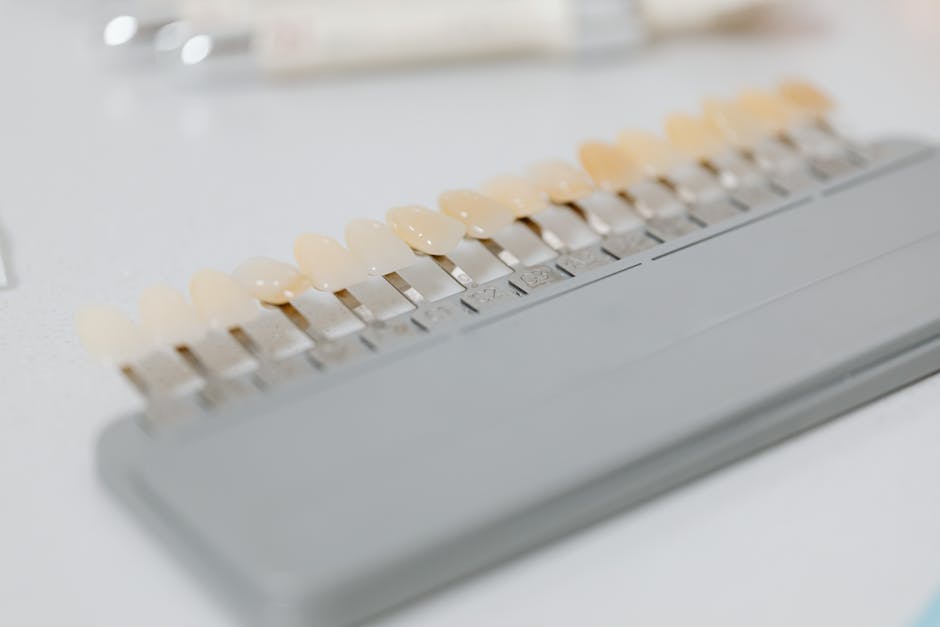
Photo by www.kaboompics.com on Pexels
Enamel Safety and Sensitivity: The Clinical Trade-Off
Photo by Roman Muntean on Pexels
The most documented downside of hydrogen peroxide is its effect on enamel integrity and pulp sensitivity. The PMC article reviewing over-the-counter whitening treatments found that hydrogen peroxide caused mild enamel dissolution—measurable surface changes at the microscopic level. The 2026 Journal of Functional Biomaterials study quantified this further: hydrogen peroxide produced greater enamel morphological changes and a more significant reduction in microhardness compared to PAP. Reduced microhardness means the enamel surface becomes temporarily more susceptible to abrasion and acid erosion in the hours following treatment.
Sensitivity is the most frequently reported side effect in clinical whitening literature. The mechanism is straightforward: hydrogen peroxide and its reactive byproducts penetrate through the enamel tubules and reach the dental pulp, temporarily exciting the nerve tissue. This produces the characteristic sharp, transient pain that many patients describe as a shooting sensation triggered by cold air or cold liquids. The severity correlates with concentration—higher-percentage professional formulas produce more sensitivity—and with pre-existing conditions like enamel erosion, exposed dentin, or existing cracks.
PAP's safety profile looks substantially different. The Dove Press review in Clinical, Cosmetic and Investigational Dentistry concluded that PAP significantly reduces enamel damage, microhardness alteration, sensitivity, and irritation compared to hydrogen peroxide. The PMC article on whitening agent safety corroborates this: PAP showed no enamel surface changes in the study's evaluations. Because PAP avoids the free-radical cascade and does not penetrate as deeply into the tooth, it does not irritate the pulp in the same way, which is why sensitivity reports are substantially lower among users of PAP Teeth Whitening products.
A 2019 study cited in the British Dental Journal did find that PAP caused some degree of enamel etching and reduced microhardness, which introduced a note of caution into the otherwise favorable safety narrative. This finding is worth acknowledging. However, the weight of more recent evidence, including the 2026 Journal of Functional Biomaterials data showing fewer enamel morphological changes with PAP than with 37.5% HP, suggests that PAP's enamel impact is consistently lower than that of peroxide-based alternatives. No whitening agent is entirely inert, but the comparative risk differential appears to favor PAP on enamel safety metrics.
Speed and Practical Results: Setting Realistic Expectations
Hydrogen peroxide acts faster. High-concentration in-office treatments—typically 25–40% HP activated with light or heat—can lift teeth by several shades in a single 60- to 90-minute session. Take-home kits with concentrations ranging from 6–15% typically show visible results within three to seven days of consistent use. For someone facing a time-sensitive event—a wedding, a job interview, a reunion—peroxide's speed is a practical advantage that PAP cannot currently match.
PAP-based products generally require a longer runway. Most PAP systems recommend consistent daily or twice-daily use over two to four weeks before optimal results become apparent. For users managing expectations appropriately, this is not a significant barrier. For someone expecting overnight transformation, it can be frustrating. The upside is that PAP's gradual mechanism tends to produce results that feel more even and natural, without the pronounced post-treatment sensitivity window that often follows aggressive peroxide treatments.
An important practical note: many commercial products marketed as PAP formulas also contain supplementary ingredients. PAP+ formulations typically combine PAP with hydroxyapatite—a bioavailable form of calcium that can remineralize enamel while whitening occurs—and potassium nitrate, which is a well-established desensitizing agent. These combination formulas are designed to address whitening, enamel protection, and sensitivity simultaneously, which represents a meaningful formulation advance over older single-ingredient peroxide products.
Choosing the Right Ingredient for Your Specific Situation
The honest answer to "which is better" is that it depends entirely on what you are trying to fix and what you are willing to tolerate in the process. The following breakdown reflects the clinical and scientific evidence reviewed here.
Hydrogen peroxide is the stronger choice if:
You are dealing with intrinsic discoloration—aging-related yellowing, old tetracycline staining, or fluorosis—where deep dentin penetration is required.
You need fast, dramatic results and do not have a history of significant tooth sensitivity.
You are undergoing a dentist-supervised treatment where concentration and application time are professionally controlled to minimize enamel risk.
You have already tried gentler approaches without achieving the shade improvement you want.
PAP Teeth Whitening is the better choice if:
Your primary staining comes from dietary sources—coffee, tea, red wine, tobacco—which are by definition extrinsic and within PAP's effective range.
You have a documented history of tooth sensitivity or known enamel thinning, and avoiding pulp irritation is a clinical priority.
You are using whitening for maintenance after a professional peroxide treatment and want a gentler ongoing option.
Enamel preservation is a top concern, and you are willing to extend the treatment timeline in exchange for reduced structural impact.
You have sensitive gums and want to minimize the risk of soft tissue irritation from whitening gel contact.
Whatever direction you choose, the product's ingredient concentration, application instructions, and brand transparency matter. A reputable PAP product that discloses its formulation and has published supporting data is a better choice than any product—peroxide or otherwise—that relies on vague marketing claims without scientific substantiation. A consultation with your dentist before starting any whitening regimen remains the most reliable way to identify what type of staining you have and which ingredient is mechanistically equipped to address it.
Frequently Asked Questions
Is PAP Teeth Whitening as effective as professional hydrogen peroxide treatment?
Not in a single session. A professional in-office peroxide treatment delivers a high concentration of active ingredient under controlled conditions and can produce multi-shade improvement in under two hours. PAP Teeth Whitening products designed for home use require consistent application over two to four weeks to reach comparable end results for extrinsic staining. The 2026 Journal of Functional Biomaterials study found PAP produced a higher whiteness index improvement than both 37.5% HP and 35% carbamide peroxide under in vitro conditions, which is encouraging—but laboratory conditions do not fully replicate clinical scenarios involving deep intrinsic staining, where peroxide maintains its structural advantage.
Can I use PAP if I have very sensitive teeth?
Yes. PAP's non-free radical mechanism and limited dentin penetration make it the preferred option for patients with sensitivity concerns. Research published in Clinical, Cosmetic and Investigational Dentistry specifically identifies reduced sensitivity as one of PAP's primary clinical advantages over hydrogen peroxide. However, if your sensitivity stems from exposed root surfaces, cavities, cracked enamel, or active gum recession, see a dentist before starting any whitening treatment. Whitening a compromised tooth—regardless of the ingredient—can worsen existing problems.
How long does it take to see results with PAP?
Most users see initial improvement within seven to ten days of consistent daily use, with optimal results typically visible at the two- to four-week mark depending on the product's PAP concentration, application frequency, and the severity of the starting stain. Surface stains from coffee and tea tend to respond faster than older, more set-in discoloration. Maintaining good oral hygiene and limiting staining foods during the treatment period will improve visible outcomes.
Is hydrogen peroxide safe for home use?
Over-the-counter hydrogen peroxide products sold in the United States are formulated at concentrations well below those used in professional settings—typically 3–10%—and are considered safe for home use when used according to product directions. Temporary sensitivity and mild gum irritation are the most common side effects. The enamel microhardness reduction documented in studies is generally considered reversible with remineralization from saliva and fluoride exposure. Exceeding recommended application times or frequency increases both efficacy and risk, which is why professional guidance adds meaningful value for anyone pursuing aggressive whitening goals.
Can I combine PAP and hydrogen peroxide products?
Combining whitening agents simultaneously is not recommended without professional guidance, as the cumulative effect on enamel and pulp is unpredictable. A more practical and evidence-supported approach is sequential use: a professional or high-concentration peroxide treatment to address deep intrinsic staining, followed by a PAP maintenance routine to manage ongoing extrinsic staining with minimal sensitivity or enamel impact. Discuss any combination approach with your dentist before proceeding.
Photo by Kasim H on Pexels
This article is for informational purposes only. The content is based on publicly available information, industry research, and scientific studies. LLRNCARE makes no representations or warranties of any kind, express or implied, about the completeness, accuracy, reliability, suitability or availability of the information contained in this article. Any reliance you place on such information is strictly at your own risk.
For professional dental advice, please consult a qualified dental professional. For regulatory compliance questions, consult with legal experts familiar with dental product regulations in your target markets.