Whitening Gel Supplier Specs: What to Verify Before You Order
27. Juli 2026
Use this whitening gel supplier evaluation framework to verify active-ingredient concentrations, formulation docs, packaging specs, and certification validity before you commit.
Whitening Gel Supplier Evaluation: A Step-by-Step Verification Framework
A rigorous whitening gel supplier evaluation is not a formality — it is the difference between a market-ready private-label program and a compliance liability. Before any purchase order is issued, professional buyers need to interrogate active-ingredient data, formulation documentation, packaging specifications, and certification validity. This framework covers each checkpoint in sequence.
Active Ingredient Concentrations: What the Numbers Actually Mean
The first question in any whitening gel supplier evaluation is precise: what is the active ingredient, and at what verified concentration? That answer determines regulatory classification, channel eligibility, and clinical outcome — not marketing positioning.
The two primary active ingredients in professional whitening gels are hydrogen peroxide (HP) and carbamide peroxide (CP), as recognized by the American Dental Association. Carbamide peroxide breaks down into hydrogen peroxide and urea on contact with saliva, meaning a 10% CP gel delivers roughly one-third of that value as active HP. Suppliers who present CP and HP concentrations interchangeably — without clarifying this conversion — are either uninformed or imprecise. Neither is acceptable in a production partner.
PAP (phthalimidoperoxycaproic acid) formulas have entered the market as a peroxide-free alternative. If a supplier offers PAP-based gels, apply the same documentation standard: active concentration by weight, mechanism of action, and stability data. The absence of peroxide does not exempt a product from formulation scrutiny.
Concentration thresholds are jurisdictionally regulated. The UK General Dental Council specifies that products exceeding 6% hydrogen peroxide are prohibited for cosmetic use, while products between 0.1% and 6% HP require professional supervision. Sourcing for multiple markets requires a supplier capable of producing compliant, market-specific SKUs — not one shipping a single global formula and leaving regulatory exposure to you.
Formulation Documentation You Should Always Request
A supplier's willingness to provide complete formulation documentation is itself a qualification signal. Request the following before issuing any purchase order:
- Certificate of Analysis (CoA): Batch-specific, third-party verified where possible. Confirms active ingredient concentration, pH, viscosity, and microbial limits.
- Safety Data Sheet (SDS/MSDS): Required for shipping, storage, and handling compliance. An absent SDS creates direct regulatory exposure for your business.
- Stability and shelf-life data: Peroxide degrades over time. Request real-time or accelerated stability studies showing concentration retention at projected shelf life under specified storage conditions.
- Full ingredient list (INCI format): Required for labeling compliance in the EU, US, and most export markets. Verify that no restricted or unapproved ingredients are present — the FDA has taken enforcement action against OTC products containing unapproved active ingredients, and the same regulatory logic applies to dental formulations.
- Usage directions and adverse-effect disclosures: Peer-reviewed literature and the ADA both confirm that tooth sensitivity and gingival inflammation are the most common adverse effects of peroxide-based whitening. Your supplier's documentation must acknowledge these and specify contraindications.
If a supplier hesitates on any of these documents, treat it as disqualifying. Established production operations maintain this documentation as standard practice — not as a special concession to a buyer's request.
One additional request: evidence of clinical or performance testing. An FDA docket submission on peroxide-based strip products cited multiple clinical trials demonstrating safety and efficacy when products are used as directed, with concentration, contact time, and application frequency as the primary variables. Ask whether your supplier's formula has been evaluated under comparable parameters — and request the data, not a summary claim.
Packaging Specs That Protect Efficacy and Shelf Life
Whitening gel is chemically active. Packaging is a stability control, not an aesthetic decision. Hydrogen peroxide degrades on exposure to light, heat, and certain reactive materials. Packaging that fails to account for this will deliver an underperforming product by the time it reaches the end user.
Verify the following with any prospective supplier:
- Barrier material: Foil-laminate or opaque packaging is standard for gel sachets and strip pouches. Transparent packaging without UV inhibitors introduces a formulation risk.
- Syringe or tube material: For gel syringes, confirm that the barrel material is non-reactive with peroxide. Low-density polyethylene (LDPE) is commonly used — verify compatibility with your specific formula concentration.
- Seal integrity: Request leak and seal-integrity test data. A failed seal in transit is both a product loss and a liability issue.
- Temperature rating: Confirm storage and shipping temperature ranges. If your distribution chain includes warm climates or extended transit times, this specification is non-negotiable.
- Child-resistant compliance: Required in many markets for products above certain peroxide thresholds. Confirm whether your target market mandates child-resistant closures and whether the supplier's packaging meets that standard.
For private-label programs, also confirm minimum order quantities for custom packaging, lead times for artwork approval, and whether the supplier maintains print-ready templates that reduce pre-production cost.
CE, ISO, and FDA Compliance: How to Verify, Not Just Trust
Compliance documentation is only as reliable as its source. A supplier presenting a CE mark or ISO certificate as a PDF attachment has given you a starting point — not a verification. A structured whitening gel supplier evaluation requires going further.
CE marking (EU): Tooth-whitening products sold in the EU are classified as cosmetics under the EU Cosmetics Regulation. CE marking applies to medical devices — so a supplier presenting CE certification for a cosmetic whitening gel warrants immediate clarification on the applicable classification and directive. If a medical device claim is involved, verify through the relevant notified body directly.
ISO certification: ISO 22716 (Good Manufacturing Practices for Cosmetics) is the relevant standard for cosmetic whitening products. Request the full certificate — including scope, issuing body, and expiration date — and cross-reference the issuing body against the ISO directory at iso.org to confirm accreditation.
FDA compliance (US market): Over-the-counter tooth-whitening products in the US are regulated as cosmetics or drugs depending on the claims made. The FDA has demonstrated clear willingness to act against products containing unapproved or restricted ingredients, as documented in enforcement actions against OTC skin-lightening products. The same regulatory standard applies to dental products: ingredient legality, accurate labeling, and the absence of unapproved drug claims are all verifiable requirements. Request your supplier's FDA facility registration number if they are manufacturing for the US market.
Ask suppliers directly whether they have undergone a third-party manufacturing audit within the past 24 months. Request the audit summary. If they cannot produce one, factor that gap into your risk assessment accordingly.
Red Flags That Signal a Supplier Is Not Production-Ready
Experienced buyers develop pattern recognition for suppliers who present well but cannot execute. The following signals warrant immediate scrutiny in any whitening gel supplier evaluation:
- Concentration claims without CoA support: A supplier stating "35% carbamide peroxide" without a batch-level CoA to confirm it is making a marketing claim, not a manufacturing commitment.
- No stability data: A supplier without shelf-life studies has either not conducted them or does not understand why they matter.
- Generic formulas presented as proprietary: If the same formula appears across multiple unrelated brands with no differentiation, the supplier is likely a repackager rather than a formulation partner. This limits your ability to request market-specific concentration adjustments or ingredient substitutions.
- Inconsistent regulatory claims: A supplier claiming simultaneous FDA registration, CE marking, and TGA approval for a single cosmetic formula — without clear documentation of each pathway — is either confused about regulatory classification or misrepresenting compliance status.
- No adverse-effect documentation: The ADA and peer-reviewed literature both confirm that sensitivity and gingival irritation are known effects of peroxide whitening. A supplier whose documentation contains no adverse-effect disclosures has not prepared the product for compliant market entry.
- Inability to produce market-specific variants: If a supplier cannot formulate to the GDC's 6% HP ceiling for UK distribution or adjust for EU cosmetic regulation thresholds, they are not equipped for international private-label programs.
Strip vs. Gel Sourcing: Where Spec Differences Matter Most
Whitening strips and whitening gels share active ingredients but diverge significantly in formulation delivery, packaging requirements, and regulatory handling. Sourcing both from a single supplier requires verifying separate competencies for each format.
Gel-specific considerations: Viscosity is a critical spec. A gel that is too thin will migrate onto gingival tissue; too thick and it will not conform to tooth surface geometry. Request viscosity data and ask how the formula performs across tray types — universal trays and custom-fit trays have different retention requirements.
Strip-specific considerations: The polyethylene backing and adhesive layer introduce additional material compatibility questions. The adhesive must hold under oral moisture conditions without releasing the gel prematurely. FDA docket data on peroxide-based strip products confirms that concentration, contact time, and application frequency are the primary performance variables — meaning strip formulation must be optimized for the specific wear duration the product is designed for.
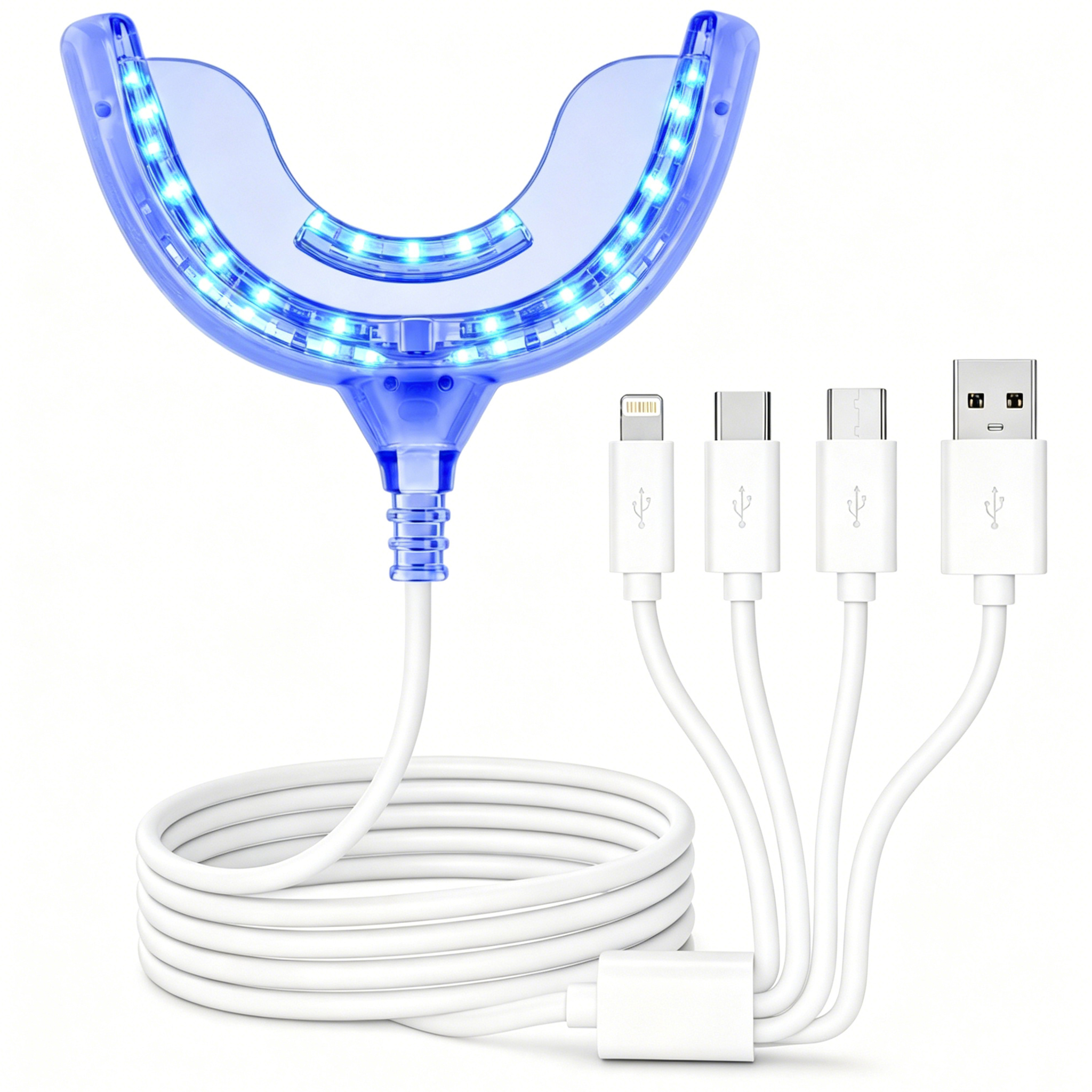
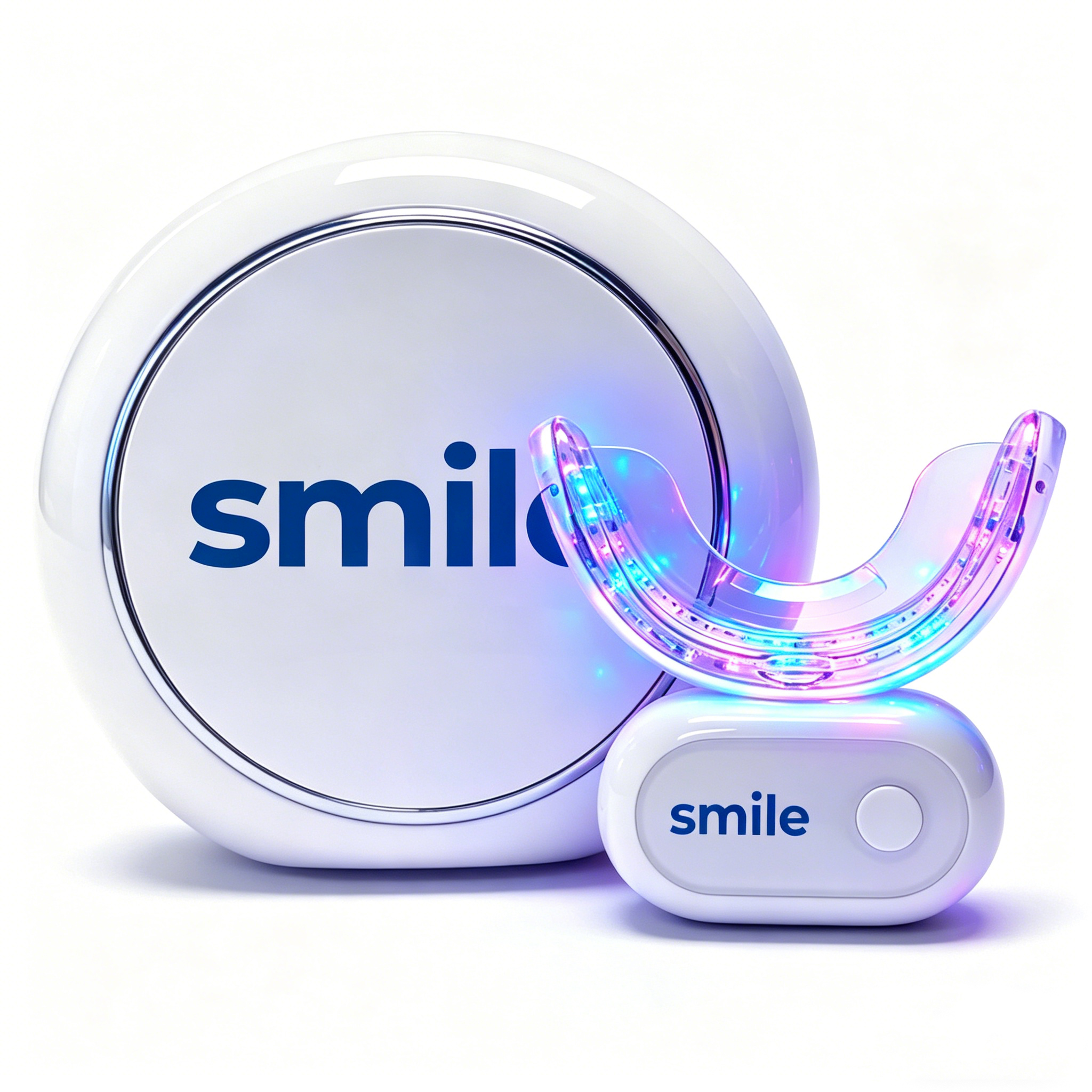
Peer-reviewed research also notes that light-activation devices offer no measurable benefit to whitening outcome or sensitivity reduction. If a supplier bundles an LED device with gel or strips and markets the combination as clinically superior, that claim is not supported by current evidence. Evaluate it accordingly — and consider whether that positioning creates downstream liability for your brand.
Building a Supplier Scorecard for Your Whitening Gel Supplier Evaluation
A structured scorecard converts the criteria above into a repeatable process. Use it before committing to any new supplier — and revisit it at each contract renewal.
| Category | Verification Point | Pass / Flag / Fail |
|---|---|---|
| Active Ingredient | HP or CP concentration confirmed by CoA, not label claim alone | |
| Ingredient Legality | INCI list reviewed; no restricted or unapproved ingredients present | |
| Formulation Docs | CoA, SDS, INCI list, and stability data all provided without hesitation | |
| Clinical Evidence | Performance or safety testing data available on request | |
| Adverse Effects | Sensitivity and gingival irritation disclosures present in product documentation | |
| Regulatory Compliance | Certificates verified against issuing body; facility registration confirmed for target market | |
| Packaging Integrity | Barrier material, seal integrity, and temperature rating documented | |
| Market-Specific Capability | Supplier can produce concentration variants for each target distribution market | |
| Third-Party Audit | Manufacturing audit completed within past 24 months; summary available | |
| Private-Label Readiness | MOQ, lead time, artwork approval process, and template availability confirmed |
Suppliers who clear every row without friction are the ones worth developing a long-term program with. Those who flag multiple points require either a remediation plan with defined timelines — or a different supplier.
For private-label buyers building a branded whitening line, the verification framework above applies whether you are sourcing a single SKU or a full co-developed range. The documentation standards do not flex based on order volume.
References
- American Dental Association — Whitening (Oral Health Topics)
- Tooth Whitening: What We Now Know — PubMed Central (peer-reviewed)
- FDA — Works to Protect Consumers from Potentially Harmful OTC Skin Lightening Products
- FDA — Skin Product Safety
Disclaimer
This article is for general informational purposes only and does not constitute sourcing, legal, or regulatory advice. Always conduct your own due diligence and consult qualified legal or compliance professionals before making purchasing or compliance decisions. WhiteningBright makes no warranties as to the completeness or accuracy of the information, and any reliance is at your own risk.