Why Buyers Are Bundling LED With PAP Kits Now
18. September 2026
Professional buyers are shifting to coordinated LED PAP whitening kit sourcing. Here's the margin logic, compliance rationale, and supplier criteria driving the change.
Why Professional Buyers Are Bundling LED With PAP Kits Now
Professional buyers don't shift procurement behavior without a reason. Over the past several sourcing cycles, a clear pattern has emerged: buyers who previously ordered whitening gel and LED devices as separate line items are now specifying them as coordinated kits — single SKUs, matched formulations, co-packaged for end-user delivery. That shift in LED PAP whitening kit sourcing carries direct implications for supplier selection, compliance documentation, and margin structure across every channel.
The move isn't driven by aesthetics or trend-chasing. It reflects a convergence of clinical evidence, regulatory clarity, and retail channel logic that professional buyers are responding to in real time.
Why PAP and LED Work Better as a Paired System
The formulation case for pairing phthalimidoperoxycaproic acid (PAP) with light activation is increasingly supported by peer-reviewed research. A study evaluating a non-peroxide PAP-based agent used in conjunction with an 810-nm diode laser demonstrated significant initial whitening results with minimal adverse effects, reinforcing the rationale for combined kit-plus-light formats.[1]
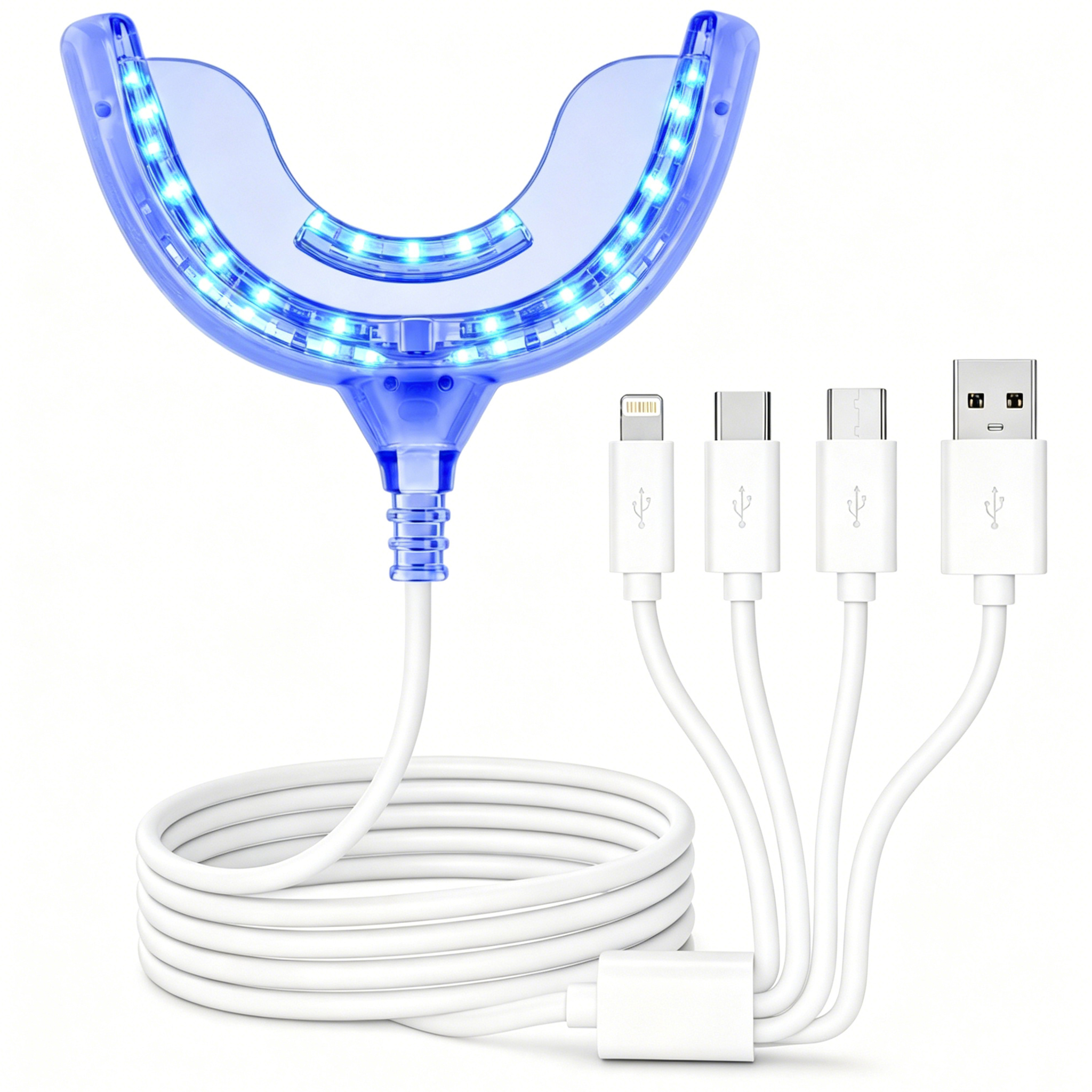
Clinical comparisons of LED photoactivation protocols show that lower-concentration, violet-LED approaches can reduce tooth sensitivity while maintaining comparable whitening outcomes in certain patient groups.[2] For a take-home kit designed for clinic dispensing or premium retail, that sensitivity profile matters — it directly affects patient compliance and repeat purchase behavior.
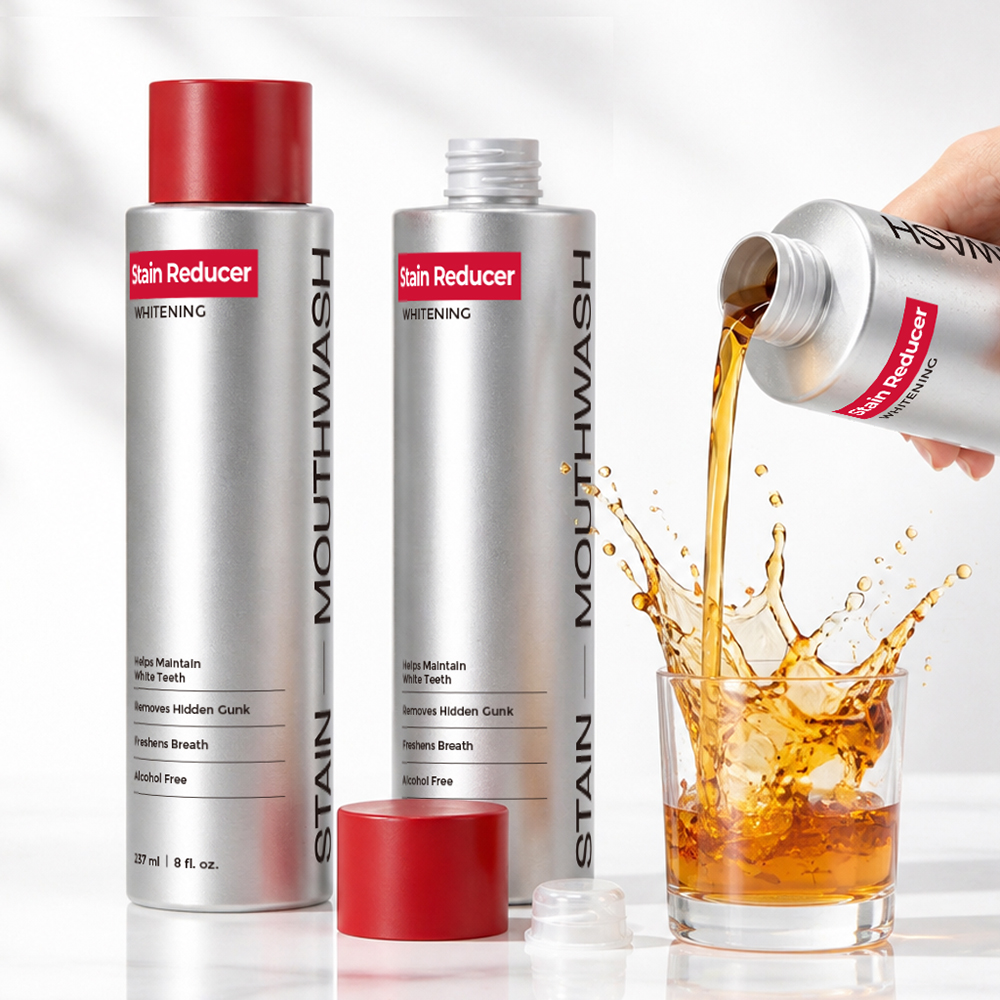
PAP functions as a free-radical oxidizer without releasing the hydrogen peroxide byproducts associated with enamel dehydration and post-treatment sensitivity. When paired with an appropriate light source, the activation mechanism is enhanced without requiring higher peroxide concentrations. Buyers sourcing a coordinated kit lock in a system where the gel and device are engineered to work together — not a gel formulated for one application paired with a device designed for another.
Active Research Is Reinforcing Buyer Confidence
Scientific interest in PAP-based whitening systems continues to expand. Comparative research into PAP-plus adjunctive light protocols — including newer PAP+ formulations — signals that this is an established category with a growing evidence base, not a transitional ingredient waiting to be displaced.[3] Randomized clinical trials are also evaluating violet LED systems as a distinct whitening approach, separate from traditional blue-light acceleration.[4]
For buyers, this matters at the sourcing stage. A product category with active peer-reviewed investigation is one where claims can be substantiated, supplier formulation decisions can be evaluated against published benchmarks, and end-customers — whether dental professionals or informed consumers — are more likely to trust the product rationale.
Device Classification and What It Changes for LED PAP Whitening Kit Sourcing
The regulatory status of LED whitening devices is not ambiguous. The FDA recognizes LED whitening lights as dental devices functioning as a heat source for tooth bleaching.[5] That classification has direct procurement consequences that buyers need to factor in before placing volume orders.
A device classified as a dental instrument requires different documentation than a cosmetic accessory. Buyers sourcing for dental clinic channels or markets with strict medical device oversight need to confirm:
- Whether the LED module carries the appropriate regulatory clearance for the target market — FDA listing, CE marking, or equivalent
- Whether the device is classified and documented as a dental bleaching accessory or as a general cosmetic light — these are not interchangeable for clinic resale
- Whether the gel component and the device component carry compatible regulatory classifications when sold as a bundled SKU
Coordinated kit sourcing creates a compliance advantage here. When a supplier co-develops the gel and device as a system, the documentation package — safety data sheets, device registration, ingredient compliance — can be structured for the bundle rather than assembled piecemeal from two separate supply chains.
Margin Math: Kit Pricing vs. Separate-Component Resale
The financial logic of bundled sourcing becomes visible when you compare unit economics across two procurement models.
In a separate-component model, a buyer sources whitening gel at one MOQ and LED devices at another, then absorbs the cost of packaging, assembly, and quality alignment independently. Each component carries its own freight, compliance review, and lead time. At resale, the buyer either sells them separately — reducing perceived value — or bundles them manually, which adds fulfillment complexity and cost.
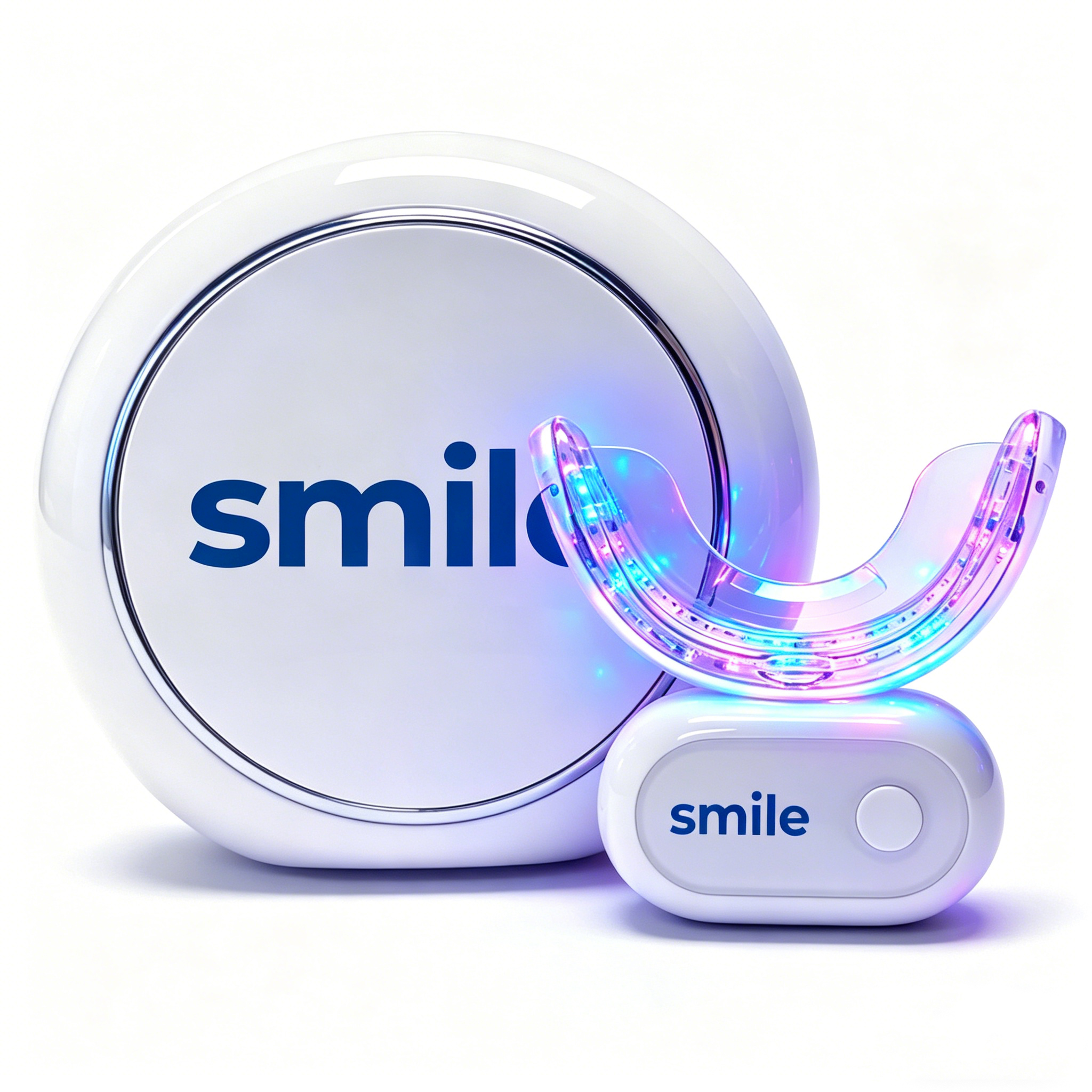
In a coordinated kit model, the supplier delivers a finished, co-packaged unit. The buyer's landed cost per kit is higher than a single gel tube, but the retail price point reflects a complete system — and system pricing commands a meaningfully higher margin than component pricing. A dental clinic dispensing a co-branded take-home kit positions it as a clinical extension of in-chair treatment, not a commodity product.
The margin advantage compounds when private-label branding is applied to the full kit. A co-developed, private-label ready kit with matched gel and device carries a brand premium that neither component achieves independently.
Supplier Criteria for Coordinated LED PAP Whitening Kit Sourcing
Not every supplier capable of producing PAP gel is equipped to co-develop and co-certify a matched LED device. Buyers should apply a more rigorous qualification checklist than they would for single-component orders.
Formulation Capability
The supplier should demonstrate PAP concentration ranges, stabilization methods, and the gel's compatibility with the specific LED wavelength in the paired device. A supplier who sources the device externally and has no visibility into its optical output specifications cannot credibly claim the two components are engineered as a system.
Regulatory Documentation
Request documentation for both components independently and as a bundled SKU. For markets requiring CE marking or FDA device listing, confirm the device registration covers the intended use case — tooth bleaching acceleration — not a broader or unrelated category.
Private-Label Readiness
Confirm that both the gel packaging and the device housing are available for co-branded customization. Some suppliers can private-label the gel but supply a generic, unbranded device. For buyers building a coherent product line, that gap creates a brand consistency problem at the point of sale.
Minimum Order Alignment
Gel and device MOQs rarely align by default. A supplier offering coordinated kit sourcing should quote a single kit MOQ that covers both components — not force the buyer to manage two separate minimum order thresholds and reconcile the overage independently.
Enamel-Safety Documentation Buyers Should Require
PAP's enamel-safety profile is one of its primary commercial advantages over peroxide-based formulations. That advantage is only defensible if the documentation exists to support it. Buyers sourcing for dental clinic channels need to be able to substantiate enamel-safety claims to the practitioners dispensing the product.
At minimum, buyers should require:
- pH range documentation for the gel formulation — PAP gels should maintain a pH that does not compromise enamel mineral integrity during the treatment window
- In-vitro or clinical safety data relevant to the specific PAP concentration in the formula, not generic PAP category claims
- Sensitivity adverse event data from any available clinical or consumer testing conducted on the specific product
- Ingredient compliance confirmation for target markets — EU Cosmetics Regulation, FDA cosmetic ingredient status, or equivalent, depending on distribution geography
Research into PAP-based whitening continues to show minimal adverse effects in light-activated protocols,[1] but buyers should not rely on published literature as a substitute for product-specific documentation. The published evidence supports the category; the supplier must substantiate the specific formula.
Positioning the Bundle Across Clinic and Retail Channels
A coordinated LED PAP kit serves different positioning functions depending on the channel. Buyers building multi-channel distribution should plan the messaging architecture before finalizing the product configuration.
Dental Clinic Channel
Position the kit as a take-home maintenance protocol following in-chair treatment. The LED component reinforces the clinical legitimacy of the at-home regimen — patients associate light-assisted whitening with professional care. The PAP formulation allows clinics to recommend the kit to sensitivity-prone patients, expanding the addressable patient base beyond those who tolerate peroxide well.
Premium Pharmacy and Retail
In a retail environment, the coordinated kit justifies a premium shelf position and price point. The LED device signals a complete system rather than a consumable. Buyers supplying premium pharmacies or specialty beauty retailers should ensure the kit packaging communicates the PAP formulation's non-peroxide status clearly — a meaningful differentiator for end-customers who have experienced sensitivity with conventional whitening products.
DTC and Wellness Brands
For direct-to-consumer wellness brands building a whitening line, the coordinated kit is the product. A private-label ready LED PAP kit allows a brand founder to launch with a complete, credentialed system rather than a single consumable. The clinical evidence supporting PAP plus light activation[1][2] provides content for evidence-informed marketing without requiring proprietary clinical investment.
Across all three channels, the sourcing decision that matters most is made before the product reaches any of them: whether the gel and device were co-developed as a system, or assembled from unrelated components. That distinction is visible to informed buyers at every level of the supply chain — and increasingly, to the end-customers they serve.
References
- PubMed — An Evaluation of the Efficacy of a Novel Non-Peroxide, Phthalimidoperoxycaproic Acid Teeth Whitening Agent in Conjunction with 810-nm Diode Laser (PMID 40655646)
- PubMed — Clinical comparison of whitening efficacy and tooth sensitivity with LED photoactivation protocols (PMID 39060473)
- PMC — Effects of phthalimidoperoxycaproic acid (PAP+) associated or not with adjunctive light protocols (PMC13190754)
- Springer / Lasers in Medical Science — Randomized clinical trial comparing the violet light emitting diode system and other tooth whitening techniques
- FDA CDRH Device Listing — LED Whitening Light / Heat Source for Bleaching Teeth (LID 611678)
Disclaimer
This article is for general informational purposes only and does not constitute sourcing, legal, or regulatory advice. Always conduct your own due diligence and consult qualified legal or compliance professionals before making purchasing or compliance decisions. WhiteningBright makes no warranties as to the completeness or accuracy of the information, and any reliance is at your own risk.