2026 Teeth Whitening Trends: New Tech and Clean Formulas
24 avril 2026
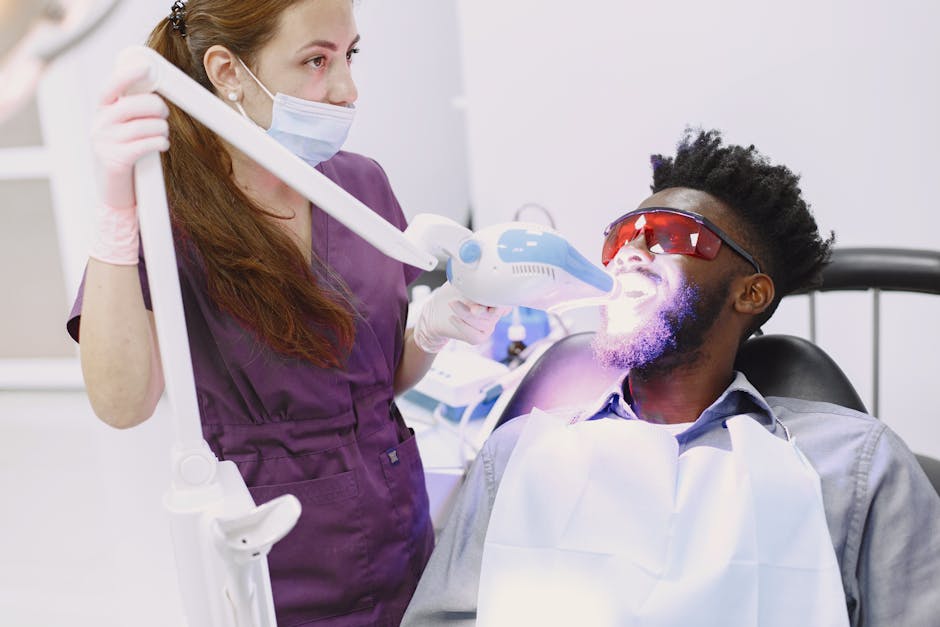
2026 Teeth Whitening Trends: New Tech and Clean Formulas Reshaping the Industry
The 2026 Teeth Whitening trends signal a turning point: consumers are done sacrificing enamel health for a brighter smile, and the science is finally catching up to their demands. The global Teeth Whitening market hit USD 6.9 billion in 2021 and is projected to reach USD 10.6 billion by 2030, driven by a wave of cleaner formulas, smarter devices, and ingredient transparency that is fundamentally changing what ends up in whitening gels, strips, and pens. This article breaks down what is actually moving the needle in 2026, from violet LED technology and strontium-fluorapatite fillers to lower-peroxide protocols and AI-powered brushing feedback. Whether you work in product development, clinical dentistry, or retail oral care, these are the shifts you cannot afford to miss.2026 Teeth Whitening Trends: From Peroxide Dominance to Precision Formulas
Hydrogen peroxide remains the gold standard in clinical whitening, and recent research confirms it is not going anywhere. A 2026 umbrella review of systematic reviews and meta-analyses found that moderate in-office hydrogen peroxide concentrations of 25–35% match higher concentrations for color change outcomes while producing significantly less post-treatment sensitivity.[3] That finding has direct implications for product development. Formulators no longer need to push concentration to 40% or above to deliver results. Lower-dose protocols that incorporate desensitizers like potassium nitrate and sodium fluoride now achieve equivalent whitening over the same treatment window, with a far better patient experience. The same umbrella review flagged violet-light activation with carbamide peroxide as a promising adjunct, though it noted the evidence base for at-home kits still lacks robust randomized controlled trials.[3] Expect that gap to close rapidly as device manufacturers fund clinical work to support regulatory submissions.Strontium-Fluorapatite: The Ingredient Rewriting the Rules
One of the most significant formulation breakthroughs entering mainstream production in 2026 is strontium-fluorapatite (Sr-FAp). A peer-reviewed study found that incorporating Sr-FAp fillers into 30% hydrogen peroxide gel maintains full whitening efficacy while measurably reducing enamel demineralization compared to peroxide alone.[4] Sr-FAp works by binding to the enamel surface during the bleaching cycle, acting as a structural buffer that replaces lost mineral content in real time. The result is a whitening agent that bleaches and remineralizes simultaneously, which represents a genuine departure from legacy formulas that simply oxidize stains and leave the enamel to recover on its own. For brands positioning in the premium sensitive-teeth segment, Sr-FAp filler technology is the most defensible ingredient story available right now. For a deeper look at the research behind next-generation whitening ingredients, visit oral care research and whitening science on LLRNCARE.The PAP Question: Real Alternative or Marketing Narrative?
Phthalimidoperoxycaproic acid (PAP) has generated significant industry interest as a peroxide-free bleaching agent. It oxidizes chromophore molecules in extrinsic stains without producing free radicals, which theoretically eliminates the nerve irritation pathway responsible for sensitivity. The clinical picture is more nuanced. A 2026 study comparing gold-standard dental bleaching methods to social-media alternatives confirmed that peroxide-containing over-the-counter strips deliver measurable color change, while peroxide-free alternatives consistently underperform on deep-set intrinsic staining.[5] PAP's strongest validated use case is maintenance after an initial peroxide treatment cycle, not as a primary bleaching agent for patients seeking multiple shade improvements. Brands that position PAP as a complete peroxide replacement risk overpromising. Brands that use it as a sensitivity-friendly maintenance system, stacked after a clinical or professional-strength peroxide protocol, have a credible and scientifically supported story.
Smart Devices and Light Activation: What the Evidence Actually Shows

Violet LED: Promising but Still Under the Microscope
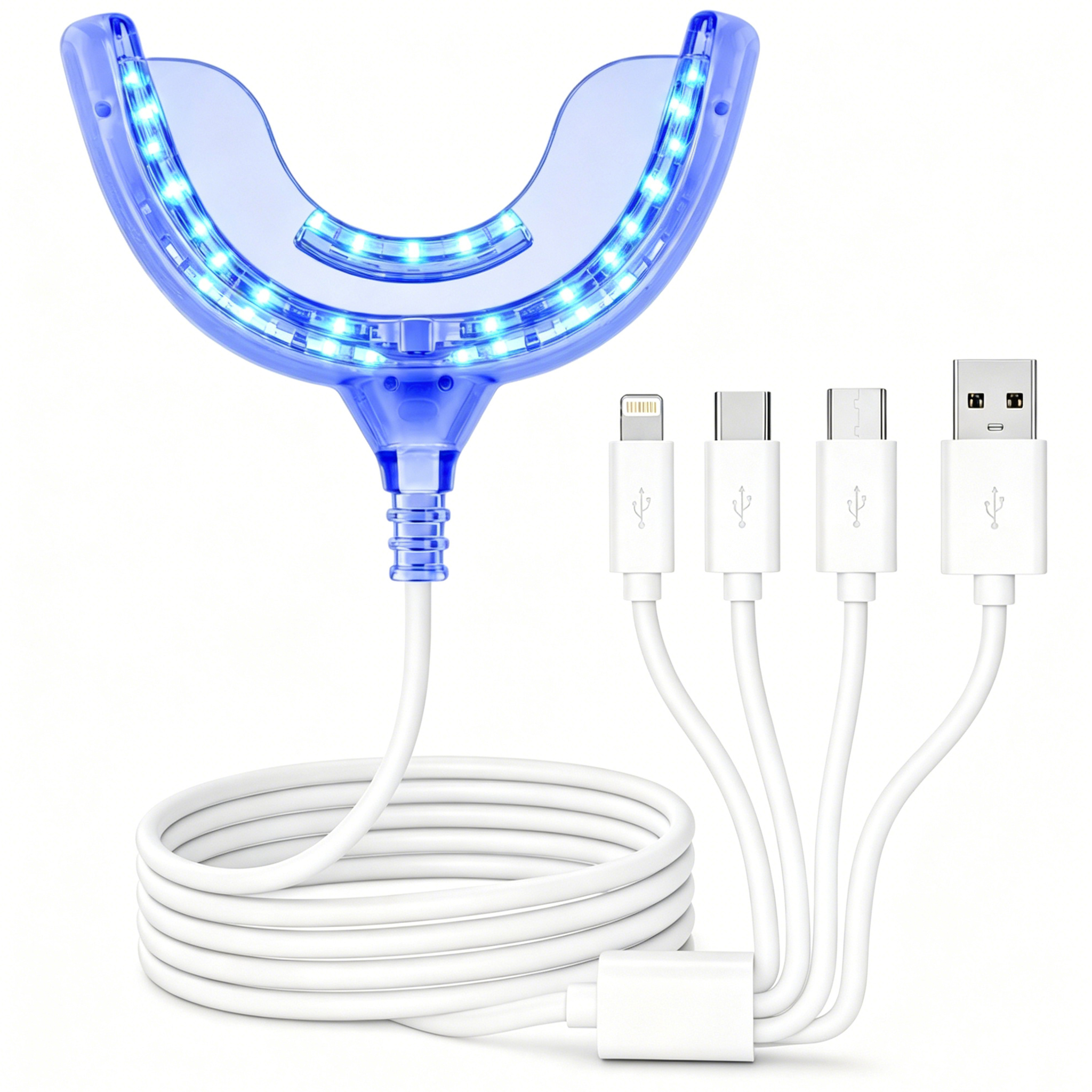
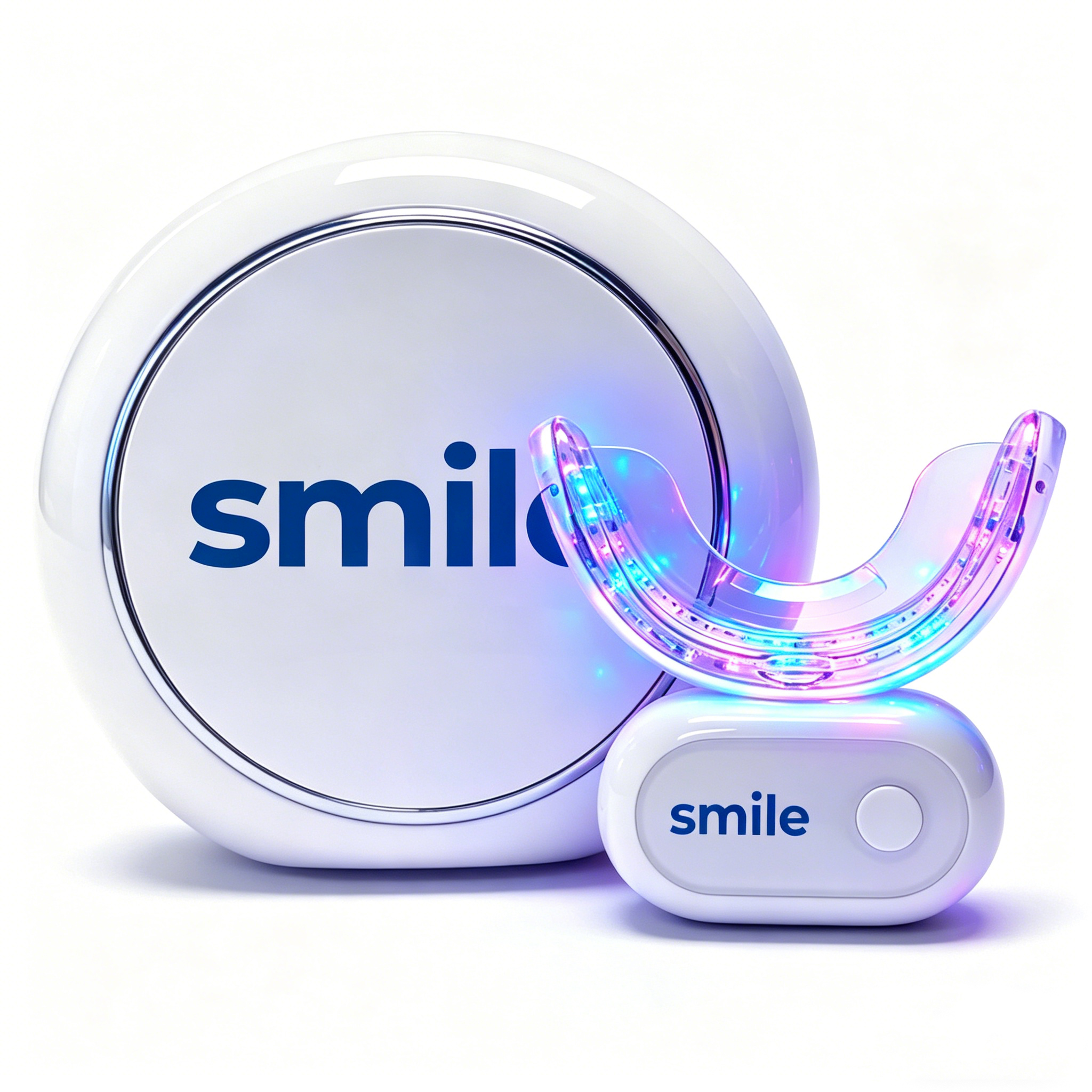
Violet LED sources operating in the 409–420 nm range have attracted growing attention in clinical research. A bibliometric analysis of tooth bleaching studies published from 2001 to 2024 confirmed that violet light use in whitening research is rising sharply, but also identified a clear gap: high-quality randomized controlled trials confirming color-change benefits and sensitivity reduction are still limited.[1] What the current evidence does support is that violet light can catalyze peroxide activation at lower gel concentrations, potentially allowing shorter treatment times without sacrificing efficacy. The practical opportunity for device manufacturers is pairing violet LED with 15–20% hydrogen peroxide or PAP gels and designing protocols around daily 10-minute sessions rather than single long treatments.Blue Light vs. UV: A Critical Distinction
Many consumers and even some retailers conflate blue light (around 470 nm) and UV light in whitening devices. They are not interchangeable. UV-emitting devices carry pulp heating risks and are not approved for consumer use in most major markets. Blue light at 470 nm activates photoinitiators in peroxide gels without generating significant thermal load, making it the safer and more regulatorily viable option for home-use kits. Devices that clearly communicate wavelength, session duration, and compatible gel chemistry will build trust in a segment that has struggled with exaggerated claims. For context on how regulatory frameworks are shaping device approvals, see the latest oral care industry news and regulatory updates.AI Integration: From Gimmick to Genuine Personalization
Artificial intelligence is entering whitening through two distinct channels. The first is AI-powered toothbrushes that track brushing pressure, coverage, and duration in real time, then adjust motor patterns to prevent the aggressive scrubbing that accelerates enamel wear. The second is predictive modeling. A 2026 review of AI applications in oral care found that machine learning algorithms are now being developed to forecast whitening outcomes based on an individual's staining history, dietary patterns, and baseline tooth shade.[6] In practice, this means a consumer's app could recommend a gel concentration, session frequency, and expected timeline before they even open a box. That level of personalization is a genuine differentiator in a commodity-heavy market.Clean Formulas: The New Non-Negotiable
The clean beauty movement did not stop at skincare. In 2026, ingredient scrutiny has reached oral care with the same intensity, and whitening products are under the most pressure to prove their formulas are safe, sustainable, and transparent.Lower Peroxide, Better Outcomes, Less Damage
The clinical case for high-concentration peroxide as the only path to whitening is weakening. Research confirms that low-to-medium peroxide protocols using 15–25% hydrogen peroxide or equivalent carbamide peroxide concentrations match 35–40% formulas for both color change and result longevity when desensitizers are included.[3][7] Potassium nitrate at 5% and nano-hydroxyapatite at 10% are now standard additions in clinical-grade gels targeting the sensitivity-prone consumer segment. These are not just marketing additions. Potassium nitrate depolarizes nerve endings, directly reducing sensitivity signals during the bleaching cycle. Nano-hydroxyapatite fills microcracks in enamel that peroxide can otherwise exploit.What Does Not Work: The Activated Charcoal Problem
Activated charcoal remains a high-visibility social media product despite a damaging scientific record. A 2026 in vitro study directly compared charcoal-based and violet-toning products against peroxide gold standards and found both ineffective for color change while charcoal demonstrated measurable enamel abrasion.[2] Charcoal's abrasive action does remove some surface staining from tea, coffee, and wine, but it cannot address intrinsic discoloration and consistently scores above safe RDA (Relative Dentin Abrasivity) thresholds with repeated use. Any brand still prominently featuring activated charcoal as a primary whitening agent in 2026 is operating on trend momentum, not evidence.Sustainable Packaging and Vegan Certification
Clean formulas now extend to the container. Compostable blister packs for whitening strips, aluminum tubes replacing plastic, and glass jars for powder formats are moving from niche positioning to mainstream expectation. Vegan certification is equally significant: consumers actively verify the absence of animal-derived glycerin and beeswax, and brands that cannot confirm compliance are losing shelf space to startups that built clean sourcing into their founding supply chains. For manufacturers looking to align production standards with clean-formula positioning, production and quality control resources for oral care brands outline the process requirements that support both efficacy and ingredient transparency.OTC Strips: Still the Volume Leader, Now with Better Chemistry
Over-the-counter whitening strips remain the highest-volume format in consumer whitening globally. A 2026 study evaluating color change and hydrogen peroxide pulp penetration in OTC strips confirmed that hydrogen peroxide-containing strips deliver statistically significant whitening, while peroxide-free strip alternatives failed to produce measurable color improvement.[5] The same study found that HP penetration into the pulp chamber from OTC strips remained within conservative ranges when strips were used as directed, addressing a long-standing consumer concern about nerve damage from at-home use. This is a meaningful reassurance for the mid-market consumer who wants clinical-level results without a clinical visit. The 2026 strip format evolution focuses on fit precision, flexible backing materials that conform to irregular tooth geometry, and dual-layer strip designs that deliver active bleaching agent from one side and a desensitizing layer from the other in a single application.
The Integrated Smile Routine: Lips, Gums, and Beyond
A defining characteristic of the 2026 Teeth Whitening trends landscape is the shift from isolated product use to holistic perioral routines. Whitening treatments, particularly high-concentration in-office gels and LED devices, can dehydrate lip tissue, irritate the gum margin, and cause transient soft tissue sensitivity if adjacent structures are not protected. Pre-whitening lip barriers and post-treatment hydrating serums with ceramides and peptides are being designed specifically to complement whitening protocols. SPF 30 lip balms are gaining clinical endorsement as standard companions for patients using light-activation devices, as UV exposure from ambient light during treatment contributes to perioral hyperpigmentation over time. Brands that build cohesive whitening kits, including barrier protection, desensitizing gel, and post-treatment remineralizing paste, are seeing stronger repeat purchase rates than brands selling single-format bleaching products. The category is maturing from a transactional whitening purchase to a recurring oral wellness ritual.Frequently Asked Questions
Are non-peroxide whitening products as effective as hydrogen peroxide?
Current evidence consistently shows that hydrogen peroxide-containing products outperform peroxide-free alternatives for both surface and intrinsic stain removal. A 2026 study evaluating OTC whitening strips found that peroxide-free strips produced no measurable color change, while HP strips delivered statistically significant results.[5] PAP-based products are best used for sensitivity management and maintenance, not as primary bleaching agents when multiple shade improvements are the goal.Does violet or blue LED light actually improve whitening outcomes?
Light activation can enhance peroxide catalysis and reduce required treatment time, but the evidence base is still developing. A bibliometric review of bleaching research through 2024 confirmed growing clinical interest in violet LED but identified a shortage of high-quality randomized trials confirming color-change benefits.[1] Blue light at 470 nm paired with compatible peroxide gels is the most evidence-supported home-use configuration currently available.Will activated charcoal damage my enamel?
Used more than once or twice per week, yes. The abrasivity of activated charcoal consistently exceeds safe RDA thresholds with repeated use, and a 2026 in vitro comparison study confirmed it provides no meaningful whitening benefit over standard peroxide methods.[2] If you use charcoal toothpaste, limit it to occasional surface stain removal and always follow with a fluoride or nano-hydroxyapatite toothpaste to support enamel integrity.What concentration of hydrogen peroxide is safest for home use?
Research supports 10–15% hydrogen peroxide for OTC home-use formats as the optimal balance of efficacy and pulp safety. Clinical umbrella reviews confirm that concentrations above 25% offer diminishing returns on whitening while increasing sensitivity risk, and that adding potassium nitrate to any concentration meaningfully reduces patient-reported discomfort without compromising results.[3][7]What makes a whitening formula qualify as "clean"?
In 2026, clean whitening formulas are defined by four criteria: absence of sulfates and parabens, transparent disclosure of peroxide concentration, inclusion of enamel-protective agents such as nano-hydroxyapatite or fluoride, and sustainable packaging. The most advanced clean formulas, like those incorporating Sr-FAp fillers, go further by actively remineralizing enamel during the bleaching cycle rather than simply avoiding harmful additives.[4]References
- [1] PubMed - Trends and Gaps in Clinical Research on Tooth Bleaching: A Bibliometric Analysis of Studies Published From 2001 to 2024 (2025)
- [2] PubMed - In vitro whitening performance of gold standard dental bleaching methods compared to trending alternatives from social media (2025)
- [3] PMC - In-office tooth bleaching protocols: an umbrella review of systematic reviews and meta-analyses (2025)
- [4] PMC - Whitening efficacy and enamel properties of 30% hydrogen peroxide solution incorporated with strontium-containing Fluorapatite (2025)
- [5] PubMed - Over-the-counter whitening strips: Evaluation of color change and hydrogen peroxide penetration into a pulp chamber (2025)
- [6] PMC - The evaluation of tooth whitening from a perspective of artificial intelligence models (2025)
- [7] PubMed - Clinical evaluation of in-office bleaching with low, medium, and high concentrations of hydrogen peroxide (2024)