Why Whitening Makes Teeth Hurt (And What to Do)
28 juin 2026
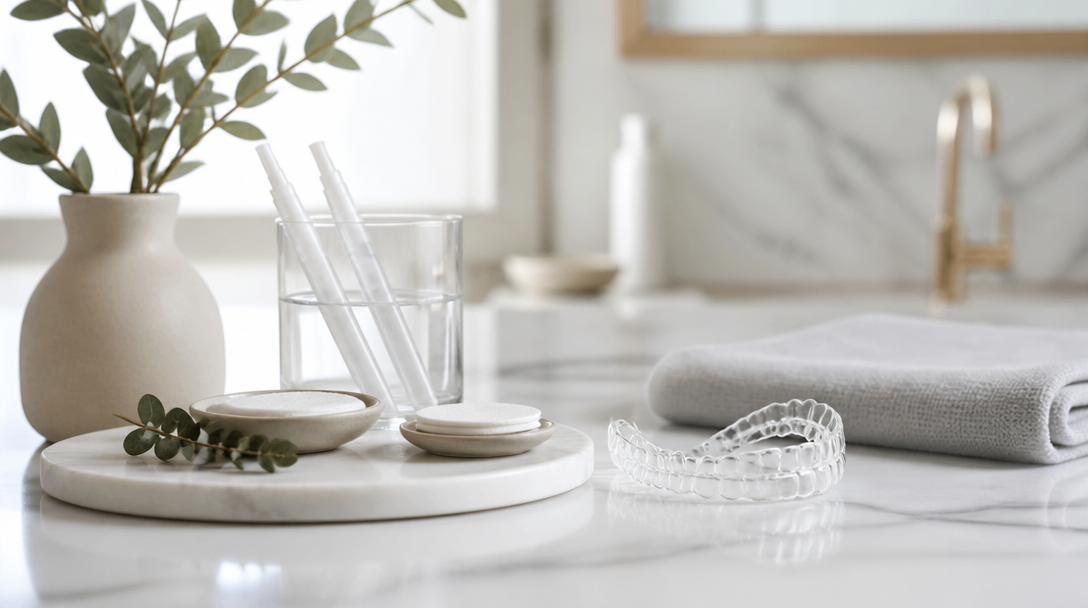
Learn why teeth whitening sensitivity pain happens, which ingredients and formats reduce it, and when to consult a dentist before continuing.
Why Whitening Makes Teeth Hurt (And What to Do)
Teeth whitening sensitivity pain is one of the most common reasons people abandon a whitening routine before seeing results. That sharp zing when cold water hits your teeth after a session is not random — it has a specific biological cause. Understanding that cause is what lets you choose the right product, adjust your routine intelligently, and whiten without dreading every sip.
The Biology Behind Teeth Whitening Sensitivity Pain
Your tooth has three structural layers. The outer enamel is hard and primarily mineral. Beneath it sits dentin — a softer layer packed with microscopic tubules that connect directly to the pulp, the nerve-rich core of the tooth. Peroxide molecules are small enough to diffuse through enamel and reach both the dentin and pulp.
Once peroxide reaches the pulp, it triggers an inflammatory response in the nerve tissue. That inflammation is what registers as pain. According to the American Dental Association, sensitivity may occur in up to two-thirds of whitening users and generally resolves by the fourth day post-treatment. This is a temporary biological reaction, not structural damage — but it's real, and it's predictable.
How Concentration Drives the Pain Response
Not all whitening products carry the same sensitivity risk. Concentration is one of the most direct variables. Research published through the National Institutes of Health found that in-office bleaching using 35% hydrogen peroxide caused sensitivity in every case studied — that's the upper end of the clinical spectrum, where results are fast but the inflammatory response is nearly universal.
At-home products use considerably lower concentrations, which is why they're better tolerated by most people. The tradeoff is that results build more gradually. Application time, tray fit, and whitening frequency all contribute to total peroxide exposure — but as a general rule, higher concentration means a greater chance of pulp inflammation and teeth whitening sensitivity pain.
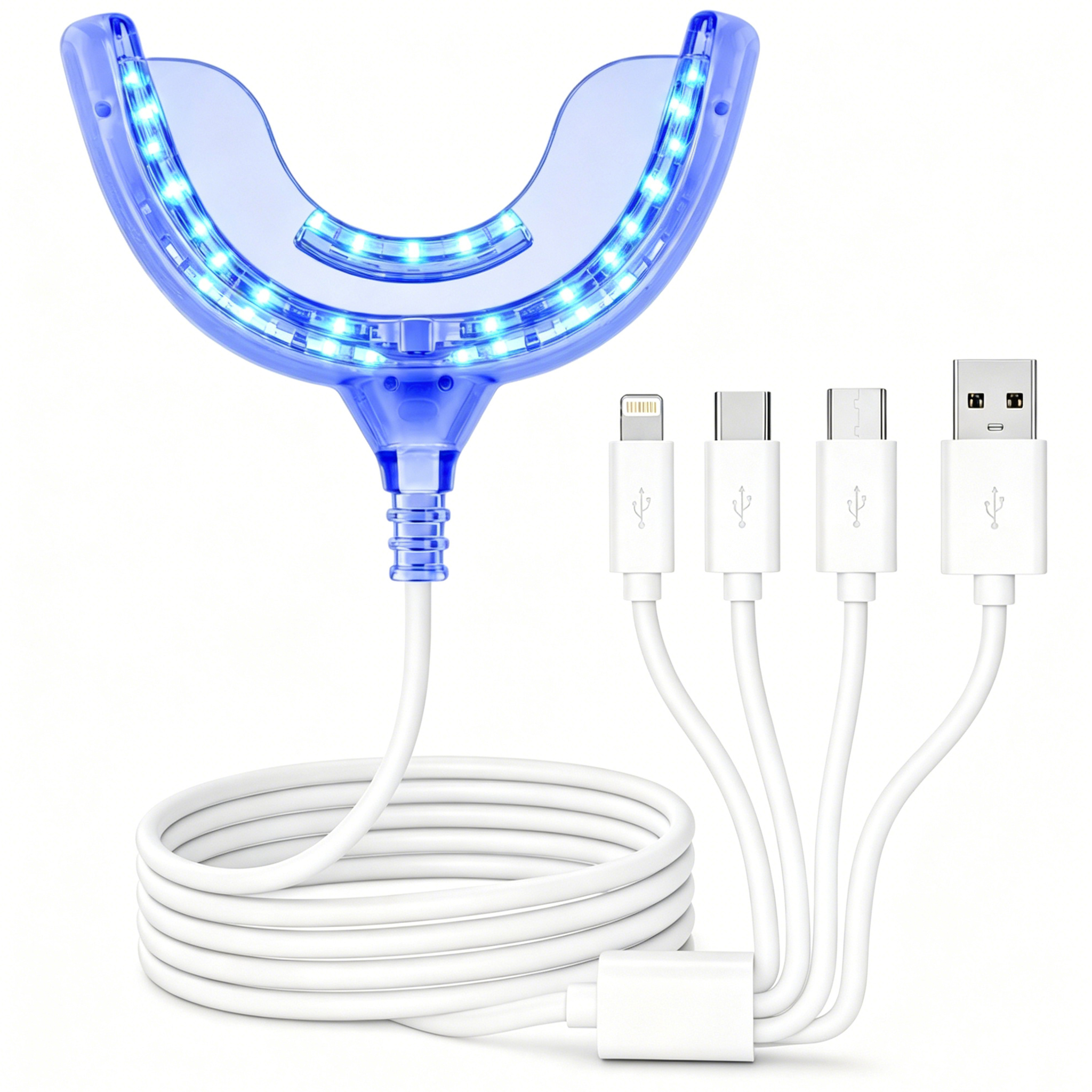
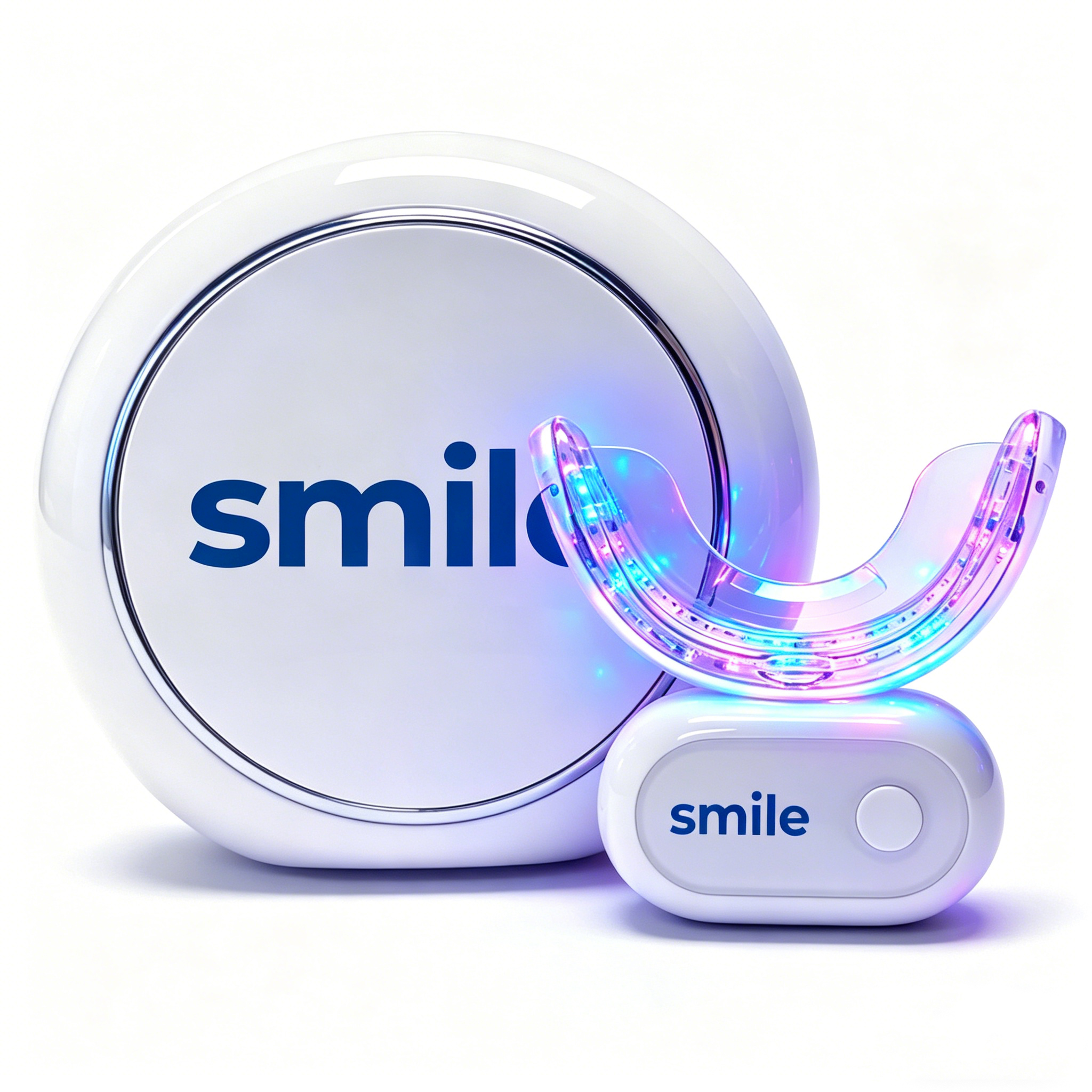
One variable that does not reduce sensitivity: light or LED activation. Clinical evidence indicates that light activation provides no benefit in terms of whitening amount, persistence, or sensitivity avoidance. The pain response is driven by peroxide exposure and pulp inflammation — not whether a light device was used.
PAP and Non-Peroxide Formulas: A Meaningful Alternative
Phthalimidoperoxycaproic acid — PAP — works differently from hydrogen peroxide or carbamide peroxide. Rather than penetrating enamel to oxidize stains from within, PAP acts primarily on the tooth surface. Because it does not generate the same degree of pulp inflammation, most users report significantly less sensitivity.
PAP-based formulas are a practical option for people who want to whiten but find peroxide-based products uncomfortable. They appear most often in strip and pen formats designed for at-home use.
The tradeoff is that PAP is more effective on surface stains — the kind caused by coffee, tea, and red wine — than on deeper intrinsic discoloration. For teeth that have darkened from the inside due to medication, trauma, or aging, peroxide-based options may still be necessary, ideally under dental supervision. Among non-peroxide alternatives currently available, PAP has the most credible clinical support for sensitivity reduction.
Desensitizing Ingredients Worth Looking For
Several ingredients are specifically formulated to reduce whitening-related sensitivity. Knowing what to look for on a label matters.
- Potassium nitrate: The most well-studied desensitizing agent for whitening use. It works by calming nerve activity within the tooth. Research published in Dimensions of Dental Hygiene notes that pre-brushing with a potassium nitrate toothpaste is effective — but it requires approximately four weeks of consistent use to build adequate protection. Starting well before whitening begins is essential, not optional.
- Fluoride: Supports enamel remineralization and is often recommended alongside whitening to reduce sensitivity risk. Applied as a varnish or used in toothpaste, it helps maintain enamel integrity between sessions.
- Hydroxyapatite: A mineral that makes up the bulk of natural tooth enamel. In toothpaste, it works by physically occluding dentinal tubules — blocking the pathways that transmit pain signals from the surface to the nerve.
- Nano-hydroxyapatite: A finer particle form designed to penetrate and fill tubules more completely. Found in some premium at-home whitening formulas and sensitivity-relief toothpastes.
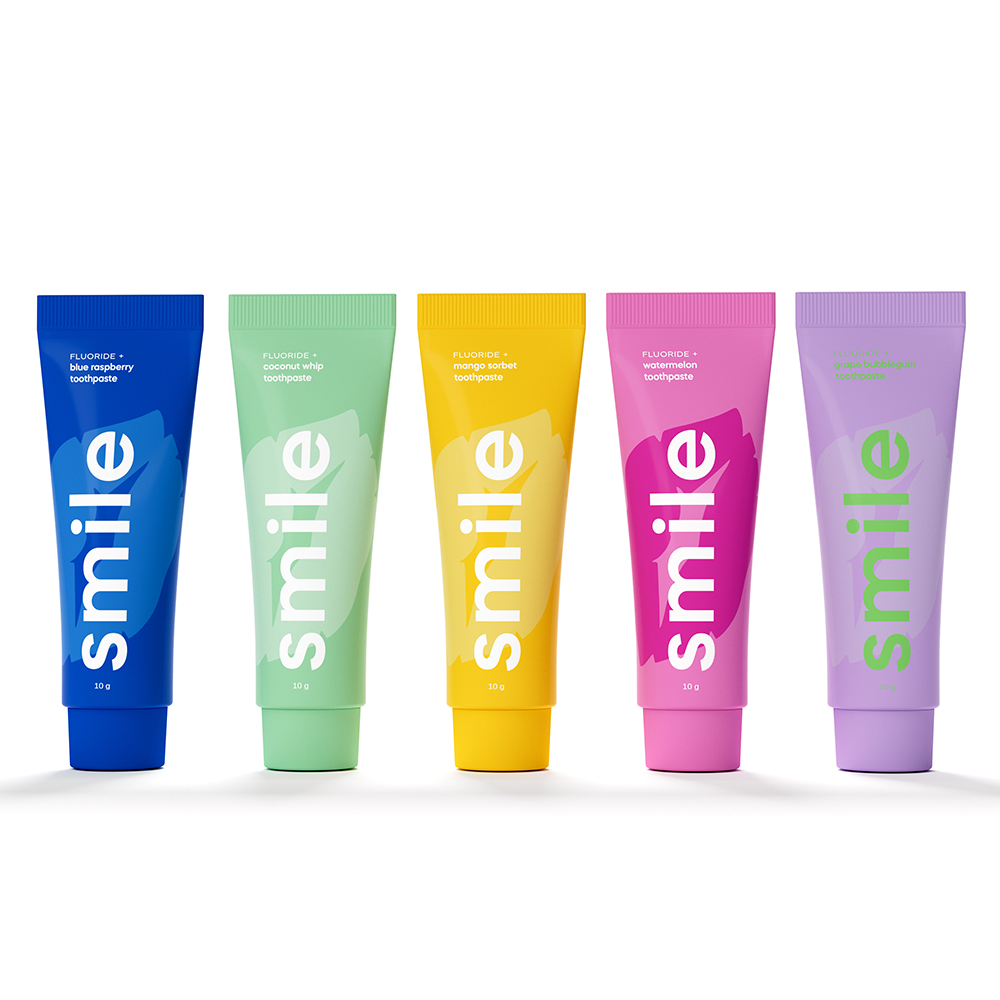
Using a desensitizing toothpaste before and during your whitening routine — not after pain starts — is one of the most reliable preventive steps available. Approximately 50% of patients experience some sensitivity from whitening; proactive use of these ingredients shifts that experience significantly.
Whitening Formats and Their Sensitivity Profiles
The format you choose carries as much weight as the ingredient. Here is how common whitening formats compare in typical sensitivity risk.
| Format | Typical Sensitivity Risk | Notes |
|---|---|---|
| In-office professional bleaching | Highest | High peroxide concentration (often 35%+); fast results but sensitivity in most users |
| Custom dentist-fitted take-home trays | Moderate to high | Lower concentration than in-office; proper tray fit reduces gum contact and overexposure risk |
| Over-the-counter whitening strips | Moderate | Peroxide-based; risk varies by concentration and wear time |
| Whitening pens | Low to moderate | Lower peroxide load per application; suited for maintenance and touch-ups |
| PAP-based strips or pens | Low | Non-peroxide; surface-acting; well-tolerated by most sensitive users |
| Whitening toothpaste | Very low | Primarily abrasive or enzymatic action; minimal bleaching; the gentlest option available |
Ill-fitting trays or strips that allow gel to contact the gums significantly increase both gum irritation and overall sensitivity. Fit is not a minor detail — it directly affects how much peroxide reaches unintended tissue.
How to Adjust Your Routine When Sensitivity Strikes
Sensitivity after whitening does not necessarily mean stopping permanently. For most people, a few deliberate adjustments are enough to continue whitening comfortably.
- Reduce session frequency. If you're whitening daily, drop to every other day or every third day. Spacing sessions gives pulp tissue time to recover between peroxide exposures.
- Shorten wear time. Most at-home products allow a range of application times. Start at the lower end and increase only if your sensitivity threshold allows.
- Switch to a lower concentration or a PAP formula. Moving from a higher-peroxide product to a lower-concentration or non-peroxide alternative can dramatically reduce the pain response without abandoning results entirely.
- Use a desensitizing toothpaste consistently. Brush with a potassium nitrate or hydroxyapatite formula for several weeks before resuming whitening. Reactive use — waiting until pain appears — is far less effective than preventive use.
- Avoid temperature extremes immediately after whitening. Cold drinks, hot coffee, and ice cream are particularly likely to trigger sensitivity in the hours following a session. Give your teeth time before exposing them to temperature stress.
- Check your tray or strip fit. If gel is leaking onto your gums, you're compounding pulp inflammation with gum irritation. Refit, or consider a different format altogether.
These adjustments resolve sensitivity for the vast majority of people experiencing mild to moderate reactions. The goal is to slow down the process, not abandon it.
When to Stop and See a Dentist
Most whitening-related sensitivity is temporary and manageable at home. There are situations, though, where continuing without professional input is the wrong decision.
Stop whitening and consult a dentist if:
- Pain is severe, sharp, or spontaneous — meaning it occurs without any temperature or pressure trigger
- Sensitivity persists beyond four to five days after your last session
- Gum tissue looks white, blistered, or appears to be receding
- You have known cavities, cracked teeth, or exposed root surfaces — these conditions allow peroxide to reach the pulp far more directly, and whitening will make them worse
- You are pregnant or breastfeeding — the precautionary guidance from most dental organizations is to avoid elective whitening during this period
- You have recent dental work, including crowns, veneers, or bonding — whitening agents do not act on restorative materials the same way they act on natural enamel, and results will be uneven
A dentist can identify underlying causes of sensitivity that have nothing to do with whitening — enamel erosion, gum recession, or an untreated cavity — and address those before any whitening begins. In some cases, professional desensitizing treatment applied before a whitening session can significantly reduce the inflammatory response.
Teeth whitening sensitivity pain is real, common, and for most people, entirely manageable. Matching your product format and ingredient profile to your sensitivity threshold — and building in proactive desensitizing steps — is the most reliable path to results without discomfort.
References
- American Dental Association — Oral Health Topics: Whitening
- PMC / National Institutes of Health — Tooth Whitening: What We Now Know
- Dimensions of Dental Hygiene — Addressing Whitening-Related Sensitivity
Disclaimer
This article is for general informational purposes only and is not a substitute for professional dental or medical advice. Always consult a qualified dental professional before starting any teeth-whitening or oral-care regimen. WhiteningBright makes no warranties as to the completeness or accuracy of the information, and any reliance is at your own risk.