Upsell Architecture for Whitening Service Menus
2026年9月8日
Build a whitening service upsell structure that lifts per-visit revenue — three clinical tiers, product formats, pricing anchors, and staff scripting.
Why Most Whitening Menus Leave Revenue on the Table
A whitening service upsell structure is not a sales tactic — it is a clinical and operational framework. Most dental clinics and spas treat teeth whitening as a single-SKU service: one treatment, one price point, one outcome. That flat structure eliminates the decision architecture that converts a routine appointment into a higher-value visit.
The gap is not in patient demand. It is in how the menu is built. When a patient sees one whitening option, they make a yes-or-no decision. When they see a sequenced set of tiers — each with a distinct clinical rationale — they make a value comparison. That shift in framing moves revenue upward without discounts or aggressive staff prompting.
The clinical evidence supports a tiered approach for a second reason: not every patient is a candidate for the same protocol. Published research confirms that lower-to-medium hydrogen peroxide concentrations can achieve comparable whitening outcomes to higher concentrations while reducing post-treatment sensitivity. That finding creates a legitimate basis for offering multiple service levels with different formulation profiles — not just different price tags.
The Three-Tier Whitening Service Upsell Structure
A functional upsell architecture uses three tiers, each positioned on a distinct combination of clinical depth, treatment time, and take-home support. The tiers are not arbitrary — they map to real differences in protocol, product format, and patient outcome.
- Tier 1 — Entry whitening: A single in-office session using a lower-concentration peroxide or PAP-based gel. Designed for first-time patients, sensitivity-prone individuals, or those with a short appointment window. Priced to be accessible without discounting the category.
- Tier 2 — Enhanced in-office protocol: A full in-office session combined with a prefilled take-home tray or strip kit. Clinical research on combined tray-plus-in-office protocols indicates this approach improves overall whitening outcome compared to in-office treatment alone, with sensitivity levels remaining comparable in both intensity and absolute risk. This is the natural upsell from Tier 1.
- Tier 3 — Premium maintenance package: In-office treatment plus a custom or prefilled tray kit, a desensitizing gel, and a scheduled follow-up or retail refill subscription. This tier captures the highest per-visit revenue and builds the longest patient relationship.
The key discipline is keeping tier definitions clean. Each level must deliver a genuinely different clinical experience — not just a higher number on a price list. Patients recognize when Tier 2 is Tier 1 with a markup attached. When that happens, the upsell collapses.
Product Selection Logic: Matching Format to Service Tier
Format selection is where the whitening service upsell structure becomes operationally real. Each tier requires a specific product format, and those formats need to be sourced and stocked deliberately.
Tier 1 Product Profile
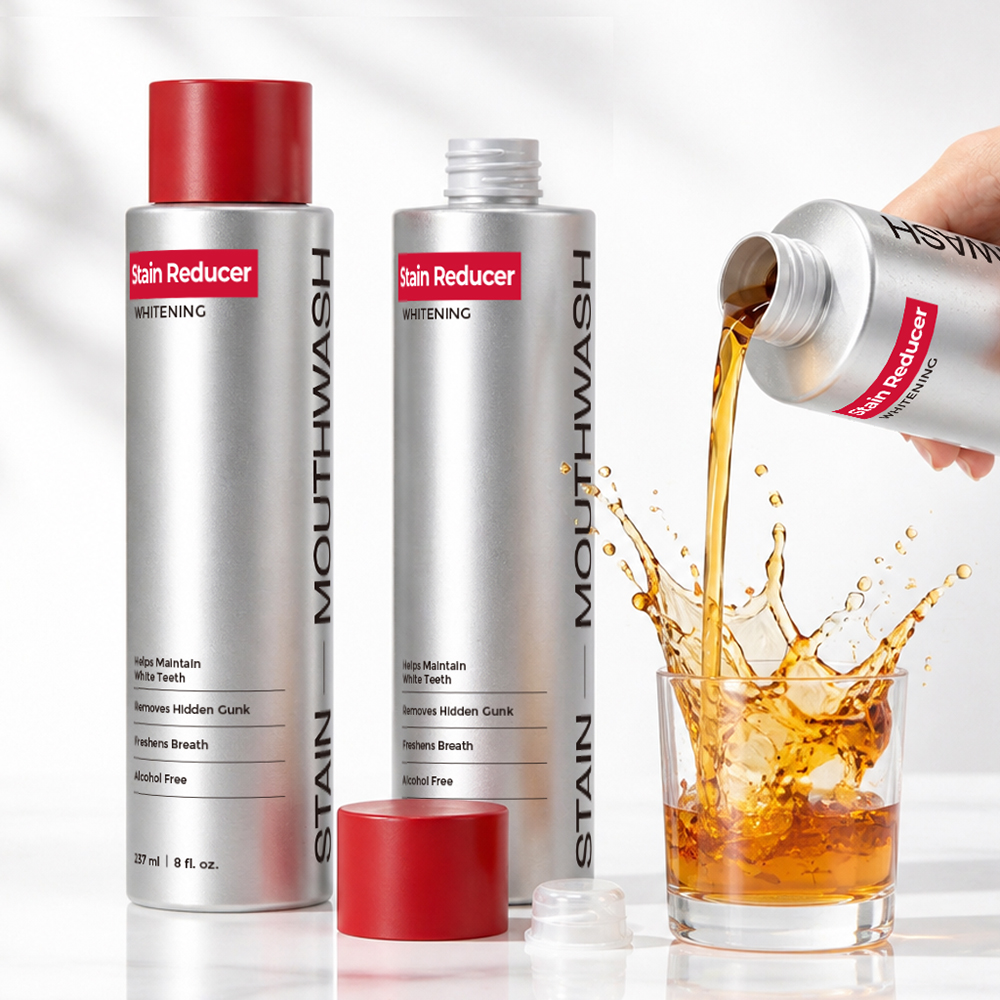
A professional-grade whitening gel in a syringe or pre-loaded tray, formulated at lower peroxide concentrations or with PAP as the active agent. The American Dental Association identifies temporary tooth sensitivity and gingival inflammation as the most common adverse effects of vital tooth whitening. A lower-concentration entry product directly addresses that clinical concern and gives staff a credible, evidence-based reason to recommend it for new patients or those with a sensitivity history.
Tier 2 Product Profile
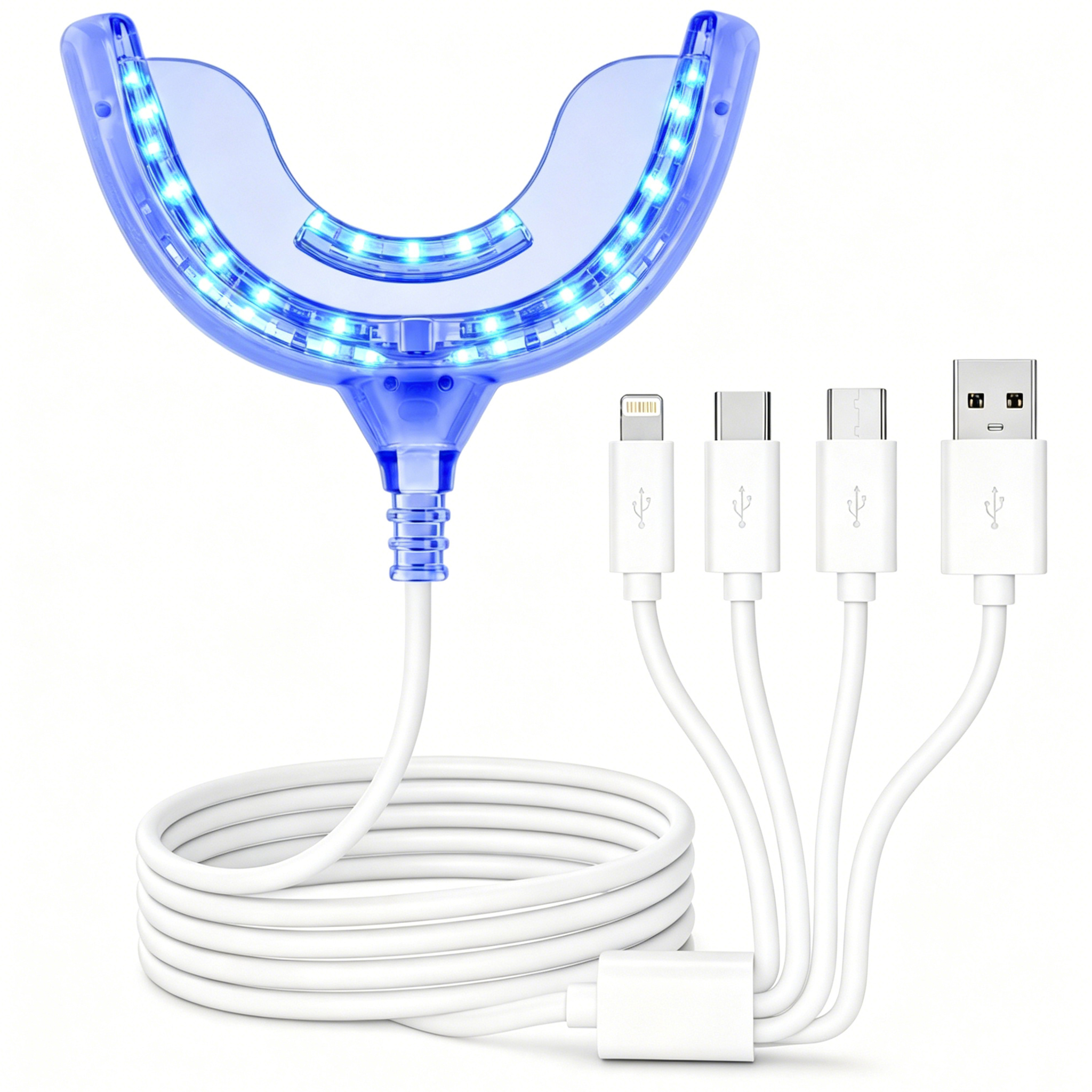
The in-office component remains a professional gel application. The take-home component should be a prefilled tray or strip format that patients can use without clinical supervision. ADA acceptance for home-use bleaching products requires demonstrated safety and efficacy through independent clinical studies — sourcing a product with that documentation protects the practice and strengthens the recommendation at consultation.
Tier 3 Product Profile
The desensitizing add-on is the critical differentiator at this tier. A randomized clinical trial found that incorporating 2% sodium fluoride into a bleaching protocol reduced post-bleaching sensitivity without compromising whitening effectiveness. A desensitizing gel or fluoride-containing post-treatment product bundled into Tier 3 is not a luxury add-on — it is a clinically supported component that justifies the price differential and measurably improves the patient experience.
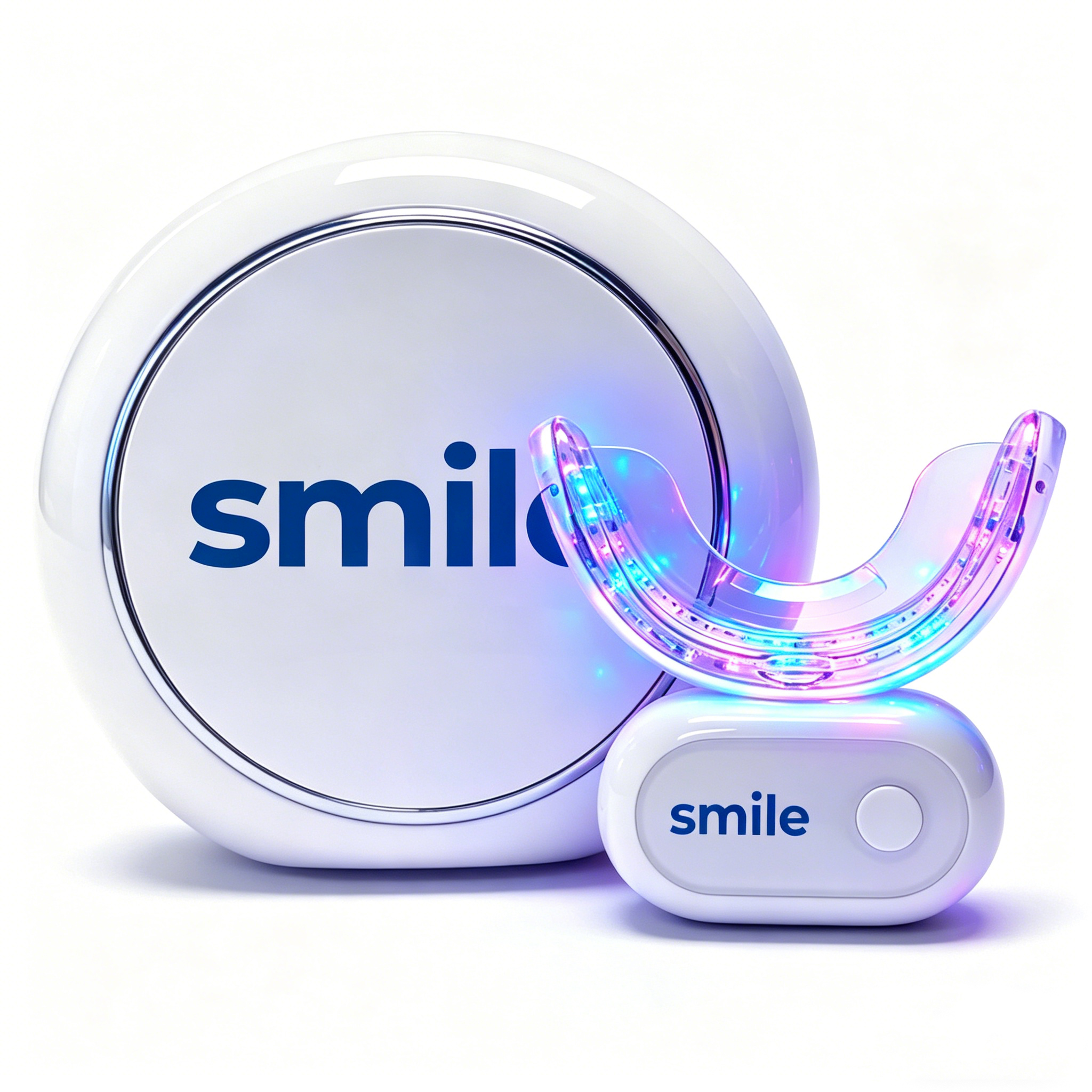
Across all three tiers, prioritize formats that share a consistent brand aesthetic. A private-label ready product line allows a practice or spa to present a unified retail identity rather than a collection of mismatched supplier packaging. That visual coherence reinforces the premium positioning of Tier 3 at the point of recommendation.
Retail Take-Home Add-Ons That Extend Per-Visit Revenue
The appointment ends. The revenue opportunity does not. Retail take-home products are the most direct way to extend per-visit value without adding chair time or staff hours.
The product categories that perform consistently as retail add-ons in whitening-focused practices include:
- Prefilled maintenance trays or strip kits: Positioned as a between-visit retention protocol. Patients who invest in an in-office treatment are motivated to protect that result. A low-concentration at-home kit sold at checkout is a natural extension of the clinical recommendation, not a separate sales conversation.
- Desensitizing gels or fluoride treatments: Supported by clinical evidence and easy to recommend as a post-treatment comfort measure. These carry strong margin and require minimal staff explanation because the clinical rationale sells itself.
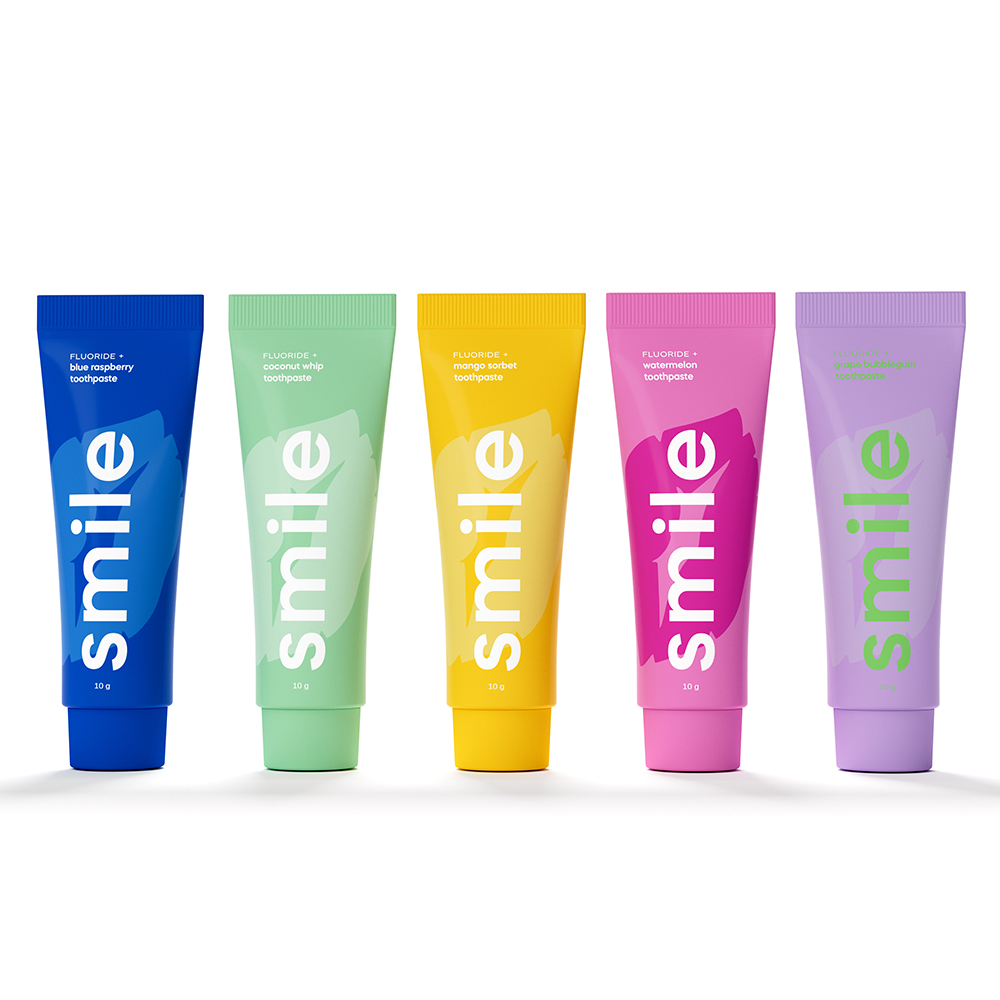
- Whitening toothpaste or maintenance formulas: Lower price point, high repurchase frequency. Useful as an entry retail product for patients who did not select a full take-home kit at this visit.
Retail placement matters as much as product selection. Items displayed at the checkout desk or treatment room exit outperform products shelved in a waiting area. The recommendation should come from the clinician or therapist — passive display alone does not close a retail sale.
Pricing Anchors and How to Set Them Without Eroding Margin
The whitening service upsell structure only holds if the pricing architecture is internally consistent. Three principles govern this.
- Set Tier 3 first. The premium package defines the ceiling. Everything below it is positioned relative to that anchor. If Tier 3 is priced correctly for your market and cost structure, Tier 1 and Tier 2 follow logically from it.
- Never discount the anchor. Promotional pricing on Tier 3 destroys its function as a reference point. When volume incentives are needed, add value to a lower tier — do not reduce the price of the highest tier.
- Build margin into the take-home component, not the in-office labor. Chair time has a fixed cost ceiling. Retail product margin is scalable. A Tier 2 or Tier 3 package that includes a take-home kit should price that kit above cost-per-unit so the combined package margin exceeds what the in-office service alone would generate.
When sourcing products for private-label programs, the cost-per-unit calculation must account for minimum order quantities, packaging, and compliance documentation. A co-developed product line with consistent formulation and branding across all three tiers simplifies that calculation and protects margin at scale.
Staff Scripting and Consultation Flow That Supports Upsell
The best-designed menu underperforms without a consistent consultation flow. Staff do not need a sales script — they need a clinical framework that makes the tier recommendation a natural part of the treatment conversation.
The Consultation Sequence
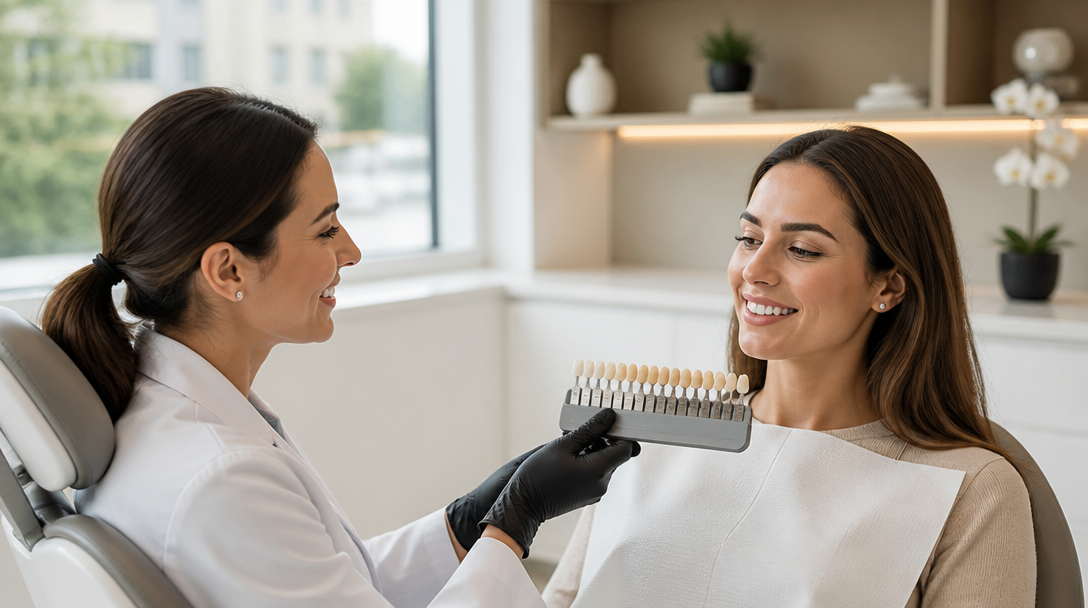
The conversation should move in this order: assess sensitivity history, explain the protocol options in clinical terms, present the tier structure as a recommendation rather than a menu, and confirm the take-home component before the appointment ends.
Sensitivity history is the most important opening question. Research confirms that post-bleaching sensitivity is the primary adverse effect of whitening treatment. A patient who reports existing sensitivity is a direct candidate for a lower-concentration protocol at Tier 1 with a desensitizing add-on — and that recommendation is clinically grounded, not commercially motivated.
Language That Works in a Clinical Setting
Avoid framing the tiers as "basic," "standard," or "premium" — those terms signal price, not clinical value. Describe each tier by its protocol and outcome instead:
- "This option uses a lower-concentration formula, which is what we recommend for patients with any history of sensitivity."
- "The combined protocol — in-office treatment plus the take-home tray — produces a stronger and longer-lasting result. The clinical evidence supports this approach."
- "We include a desensitizing gel in the full package. It reduces post-treatment discomfort and protects the enamel surface."
Each statement gives the patient a reason grounded in their clinical experience. That framing reduces resistance and raises the perceived value of the recommendation without requiring any hard sell.
Measuring Upsell Performance: The Metrics That Matter
A whitening service upsell structure is a business system. Measure it like one. The metrics that matter are value-based, not volume-based.
| Metric | What It Measures | Target Behavior |
|---|---|---|
| Average revenue per whitening visit | Combined in-office and retail revenue per appointment | Rises as Tier 2 and Tier 3 adoption increases |
| Tier distribution ratio | Percentage of visits at each tier level | Tier 1 should not dominate; Tier 2 should be the modal choice |
| Retail attach rate | Percentage of whitening appointments that include a retail purchase | A well-structured menu achieves consistent retail attachment at checkout |
| Sensitivity complaint rate | Post-treatment sensitivity reports per protocol type | Tracks whether product and tier selection is clinically appropriate |
| Return visit rate | Patients returning for maintenance or follow-up within a defined period | Indicates whether Tier 3 is building retention, not only one-time revenue |
Review these metrics monthly. If the tier distribution shows most patients clustering at Tier 1, the consultation flow needs adjustment — not the pricing. If the retail attach rate is low, the problem is usually the placement and timing of the product recommendation, not the product itself.
A structured whitening service upsell architecture, built on clinical logic and supported by the right product formats, does not require aggressive selling. It requires a menu that reflects how whitening protocols actually work — and staff who can explain that clearly.
References
- In-office tooth bleaching protocols: an umbrella review of systematic reviews — PubMed
- Whitening efficacy and tooth sensitivity in a combined in-office and prefilled tray protocol — PubMed
- Tooth sensitivity and whitening effect of an in-office bleaching gel containing 2% sodium fluoride: a randomized triple-blind clinical trial — PubMed
- Whitening — Oral Health Topics — American Dental Association
- Home-Use Tooth Bleaching Products: ADA Seal of Acceptance Requirements — American Dental Association
Disclaimer
This article is for general informational purposes only and does not constitute sourcing, legal, or regulatory advice. Always conduct your own due diligence and consult qualified legal or compliance professionals before making purchasing or compliance decisions. WhiteningBright makes no warranties as to the completeness or accuracy of the information, and any reliance is at your own risk.