Whitening Add-On Pricing That Protects Clinic Margins
2026年8月7日
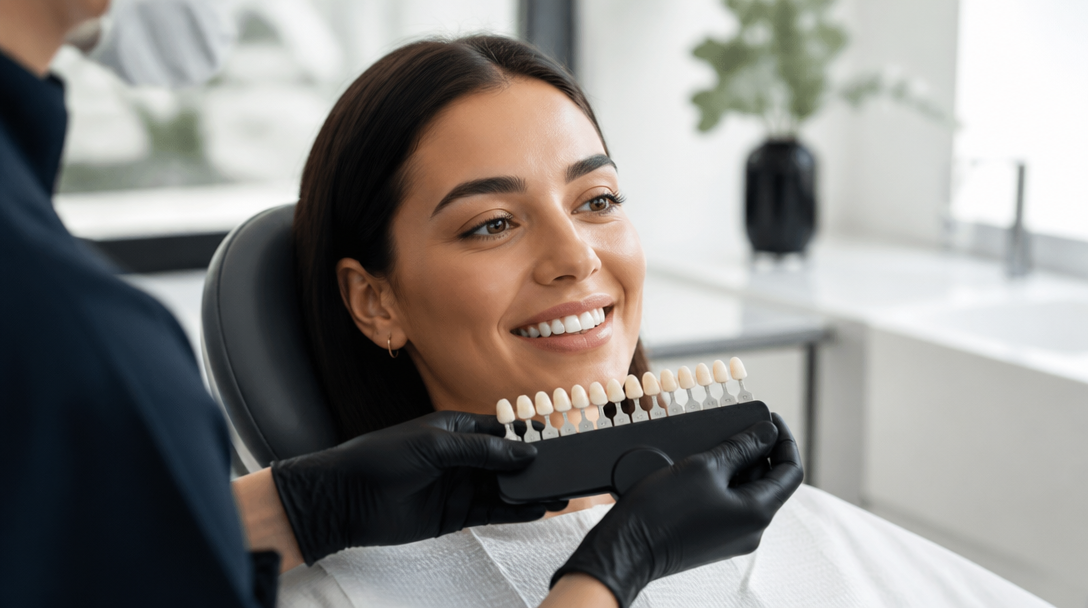
Protect your margins with proven whitening service pricing dental clinic strategies — cost-per-treatment ratios, tiered menus, and retail upsell architecture.
Why Whitening Service Pricing at Dental Clinics Keeps Leaking Margin
Whitening service pricing at dental clinics is one of the most consistently mismanaged revenue lines in cosmetic dentistry. The procedure is fast, patient demand is stable, and consumable costs are predictable — yet most practices set fees by benchmarking competitors rather than calculating from their own cost structure. The result is a service that generates activity without generating margin.
The clinical case for premium pricing is already established. The ADA notes that whitening products vary significantly in peroxide concentration and should be used as directed — which positions supervised, in-office treatment as a categorically different service from anything a patient purchases over the counter. The FDA draws the same boundary: higher-concentration professionally applied products require clinician oversight. That oversight has measurable value and should appear as a line item, not be absorbed into a flat fee set to match a competitor's promotional rate.
Underpricing creates a downstream problem that compounds quickly. When whitening is priced as a loss-leader or bundled invisibly into a cleaning appointment, the practice trains patients to expect it cheaply. Re-pricing later becomes a patient relations challenge, not just a financial one.
The Cost-Per-Treatment Calculation Every Clinic Must Run
Before building a service menu, every clinic needs a defensible cost-per-treatment number. This is not the cost of the gel alone. It is the fully loaded cost of delivering one whitening appointment.
- Consumable cost: whitening agent, isolation materials (cheek retractors, gingival barrier), desensitizing gel, disposable trays or applicators
- Chair time cost: the per-minute overhead rate for that operatory multiplied by total appointment time
- Staff time cost: clinical wages for setup, application, monitoring, and breakdown
- Compliance overhead: documentation, shade recording, and pre-treatment assessment time
Once that number is established, a sustainable fee is built on a target gross margin — not on what the practice down the street charges. A common structural error is calculating only the consumable cost and treating chair time as already paid for. Chair time is never free. Every whitening appointment displaces a billable alternative use of that operatory.
Peer-reviewed clinical literature confirms that whitening efficacy depends on agent concentration, contact time, and delivery method. A 45-minute in-office session with a high-concentration agent and custom isolation is not the same service as a take-home tray kit and should not be priced as a slight premium on the same base product.
Building a Three-Tier Whitening Service Pricing Structure for Dental Clinics
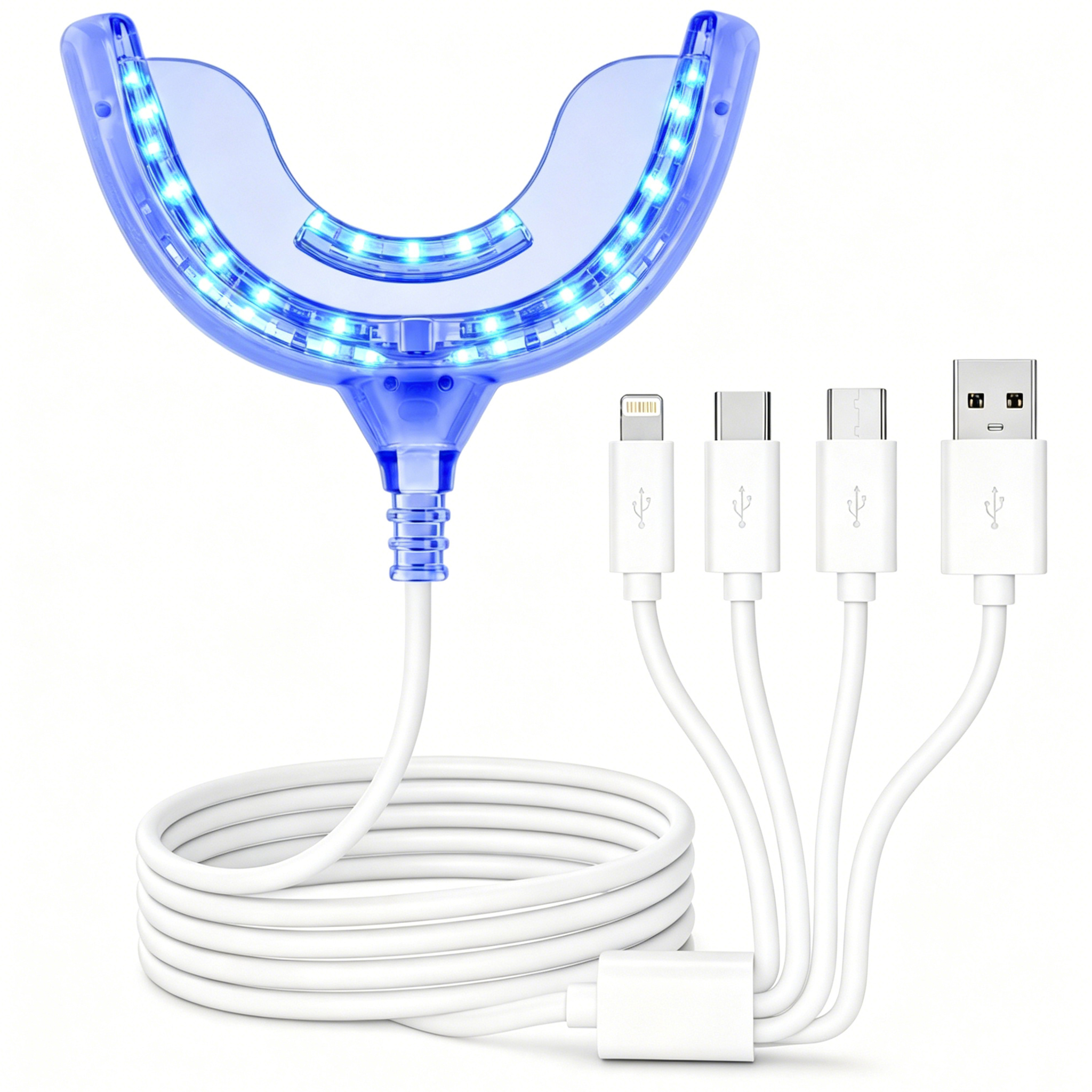
A three-tier whitening menu gives patients a structured choice while protecting the clinic's average revenue per whitening interaction. Each tier must be anchored to a distinct consumable format and a distinct clinical workflow — not just a different shade guarantee.
Tier 1: Supervised Take-Home Program
Custom-fabricated trays with a professionally dispensed whitening gel. Consumable cost is moderate, chair time is low (impression or scan plus fit check), and the clinical value lies in the custom delivery system and the practitioner's gel selection. UCSF Health guidance confirms that dentist-supervised at-home options can better manage side effects than unsupervised OTC use — a point that justifies both the fee and the follow-up touchpoint built into this tier.
Tier 2: Single-Session In-Office Whitening
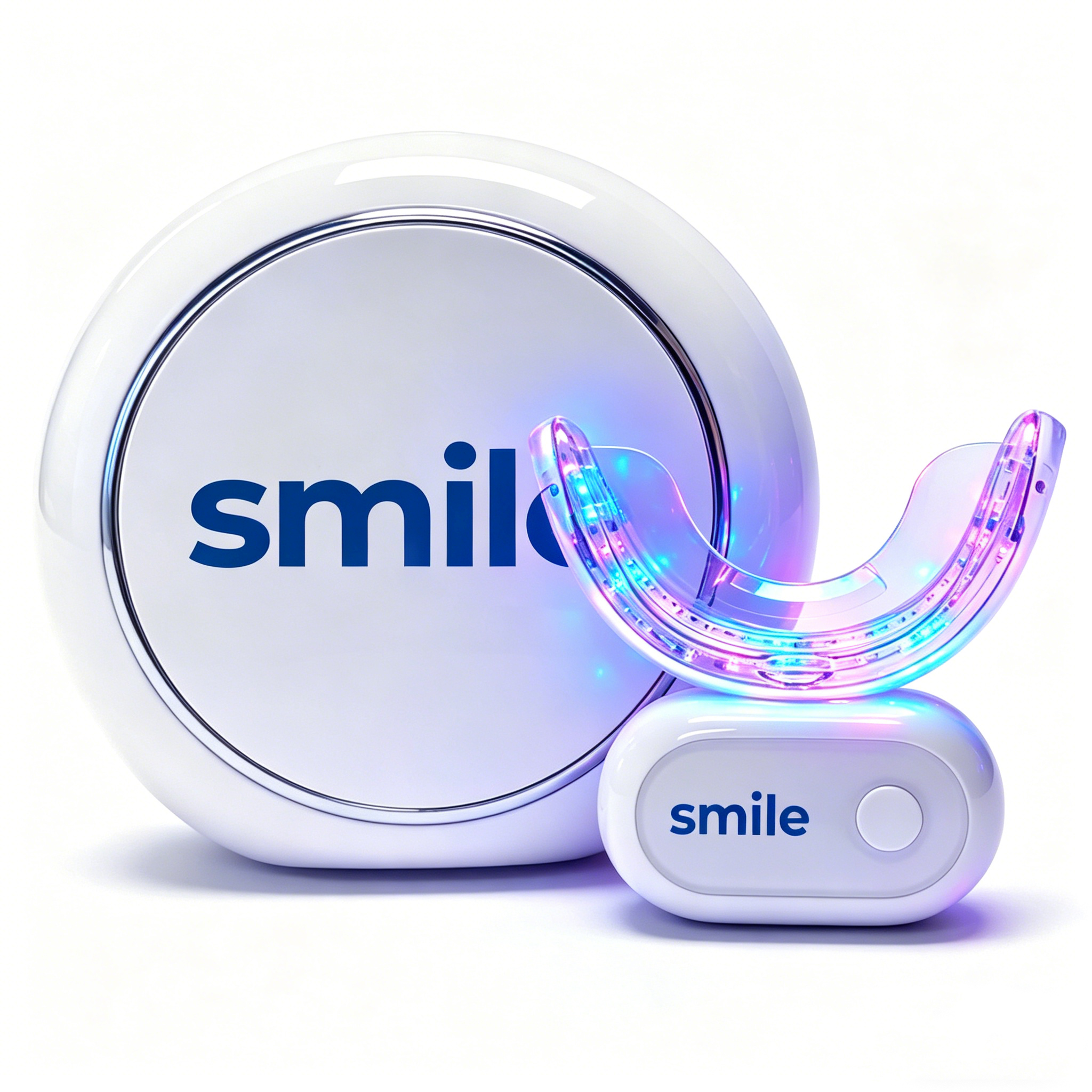
Higher-concentration agent, gingival isolation, chair time of 45 to 90 minutes. The American Academy of Cosmetic Dentistry recognizes in-office whitening as a distinct professional service performed under supervision with higher-concentration bleaching agents. This tier carries the highest consumable cost and the highest chair-time cost, and the fee must reflect both. Sensitivity management — a desensitizing agent applied pre- or post-treatment — is a legitimate add-on line item here, not a courtesy inclusion.
Tier 3: Combination Protocol
In-office session followed by a take-home maintenance kit. This is the highest-revenue tier and the most defensible clinically. Whitening may require repeat treatment and careful assessment of stain type and enamel condition, which gives the combination protocol a clinical rationale beyond simple upselling. A follow-up shade evaluation appointment is a natural fourth touchpoint that can be built into the package fee or offered as a separate chargeable service.
Retail Upsell Architecture: Converting One Appointment Into Recurring Revenue
Whitening service pricing at dental clinics should not end at the operatory door. The appointment is the highest-trust moment in the patient relationship — the point at which a clinician's product recommendation carries more weight than any retail display. Structured retail upsells convert that trust into recurring revenue without requiring additional chair time.
A durable retail architecture for a whitening-focused practice runs three layers deep.
- Post-treatment maintenance gel: A lower-concentration take-home gel dispensed at the end of the in-office appointment. Whitening is not permanent, and patients who want to maintain results will need periodic retreatment or maintenance product — making this recommendation both clinically appropriate and commercially logical.
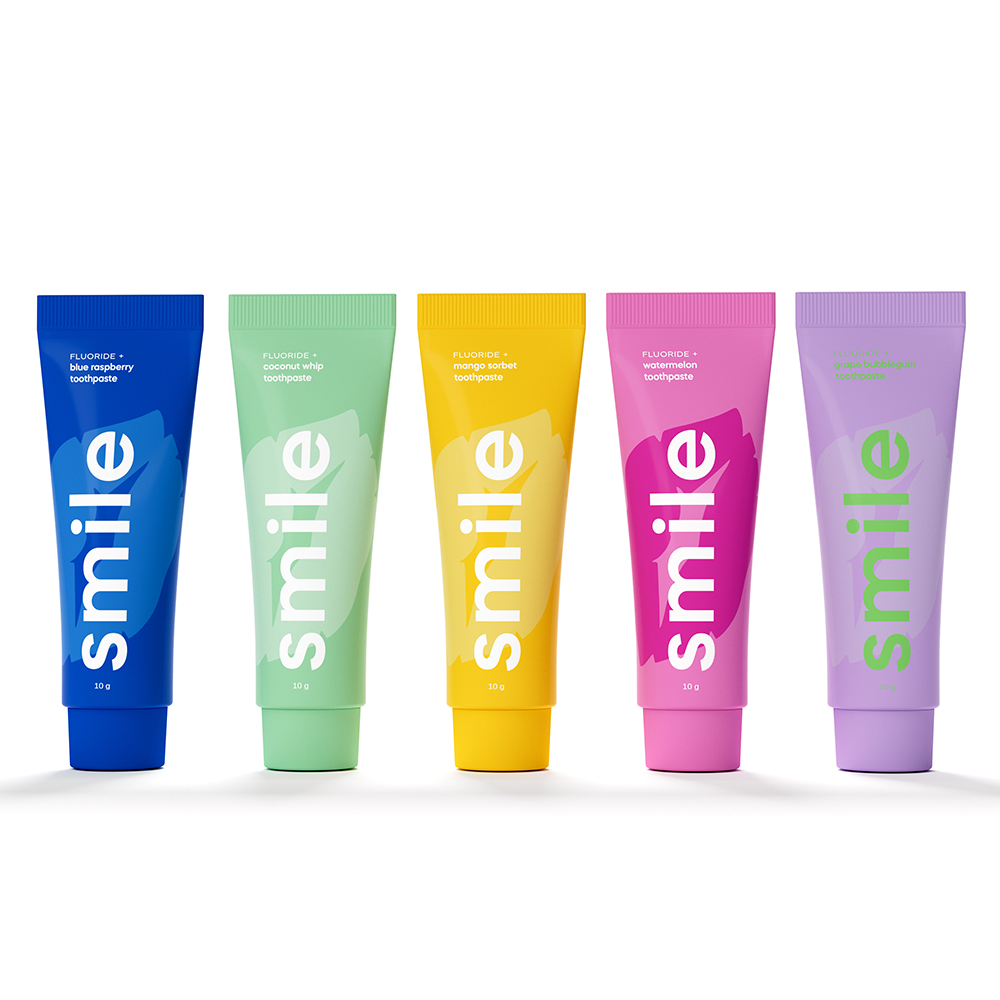
- Sensitivity management product: A desensitizing toothpaste or remineralizing gel sold as a clinical recommendation. The peer-reviewed literature published in The Journal of Evidence-Based Dental Practice confirms that sensitivity and gingival irritation are practical clinical issues associated with whitening — giving this recommendation a clinical basis, not just a commercial one.
- Shade-matched restoration planning consultation: Not a product — a billable service. The NIDCR states clearly that whitening does not change the color of existing restorations. Any patient with crowns, veneers, or composite bonding in the smile zone is a candidate for a paid re-evaluation to assess whether restorations need replacement to match the new tooth shade.
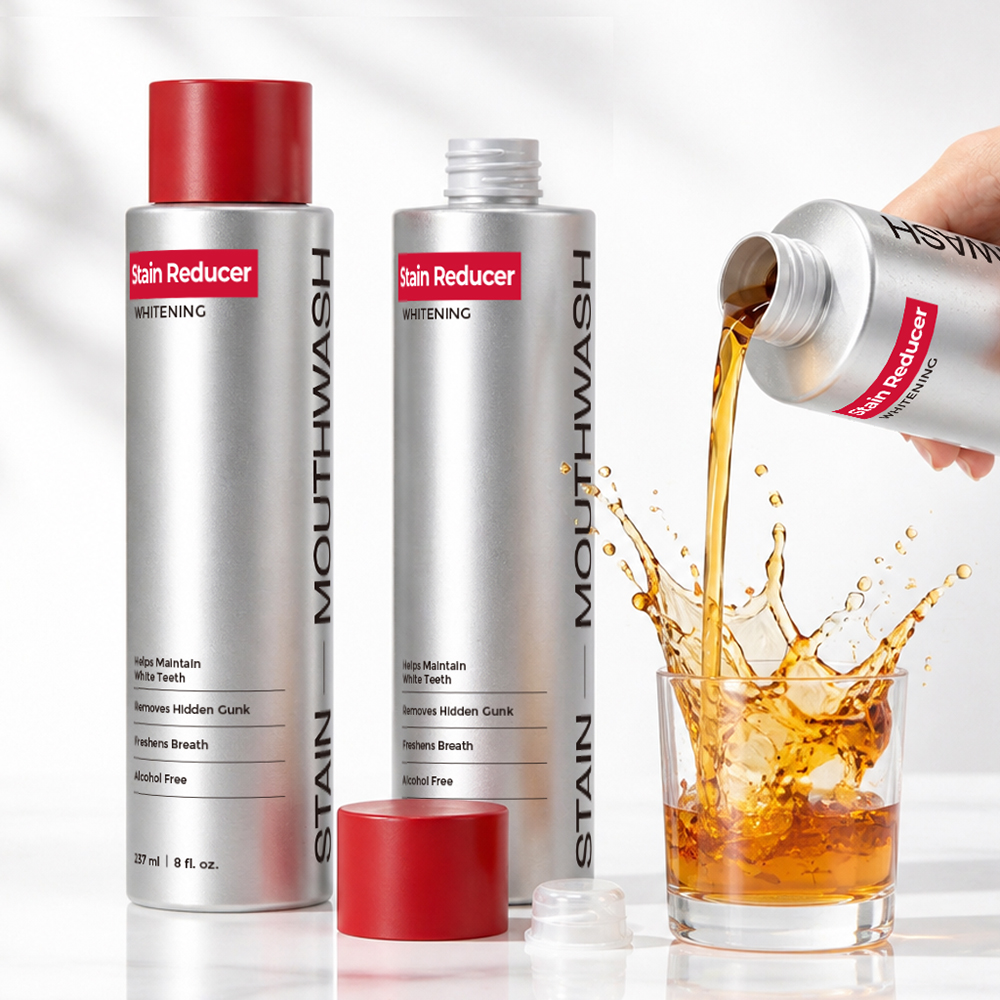
Retail products should be stocked in formats that reinforce the clinical relationship: professional-grade packaging, concentration levels not available in mass retail, and ideally private-label or clinic-branded presentation. This removes the patient's ability to price-compare against a known brand after the first recommendation.
Matching Product Format to Price Point and Patient Profile
Not every patient is a candidate for every tier. The product format used in each tier must match both the clinical profile and the price point being charged. Mismatches — high-concentration gel in a poorly fitting generic tray, or a premium fee for a protocol using the same consumables as a mid-tier service — erode clinical outcomes and patient trust simultaneously.
| Format Variable | Lower-Tier Application | Premium-Tier Application |
|---|---|---|
| Agent type | Lower-concentration carbamide peroxide or PAP-based formula | Higher-concentration hydrogen peroxide under clinical supervision |
| Delivery system | Universal prefilled tray or strip | Custom-fabricated tray or in-office isolation setup |
| Sensitivity protocol | Patient-directed remineralizing toothpaste | Clinician-applied desensitizer, pre- and post-treatment |
| Follow-up | Maintenance gel dispensed at close of appointment | Scheduled shade evaluation, restoration assessment if indicated |
PAP-based formulations are increasingly positioned as a sensitivity-reduced alternative to peroxide agents, which is relevant for patients with documented sensitivity history. The clinical profile of the agent should match the patient's enamel condition and the level of supervision being charged for. Pricing tiers that reflect genuine differences in these variables are defensible. Tiers that differ only in packaging are not.
Evaluating Supplier Cost Structures Without Sacrificing Clinic Margin
Whitening service pricing at dental clinics is directly constrained by the cost structure of the consumables sourced. A supplier relationship that looks favorable on unit price may erode margin through minimum order quantities, inconsistent batch quality, or formulations that generate sensitivity complaints and retreatment costs.
When evaluating a whitening consumable supplier, the relevant questions go beyond price per unit.
- Regulatory compliance: Are products FDA-registered for US clinics or CE-marked for EU and UK markets? The FDA's guidance on teeth whitening products distinguishes between cosmetic and drug classifications depending on concentration and claims — a distinction that directly affects what can legally be sold and applied in a clinical setting. ISO-certified manufacturing processes reduce batch variability.
- Private-label availability: Clinic-branded or co-developed retail products protect margin at point of sale by removing the patient's ability to price-compare against a known brand. A supplier offering private-label ready formats with compliant labeling support is structurally more valuable than one offering only branded stock.
- Formulation consistency: Sensitivity complaints that lead to retreatment or refund requests are a direct margin cost. Requesting batch certificates of analysis and stability data before committing to volume is standard due diligence.
- Minimum order structure: A supplier requiring large minimums for a single SKU creates inventory risk for a clinic running a three-tier menu across multiple product formats. Flexible structures that allow smaller quantities across multiple SKUs better support a tiered model.
Metrics to Track Before Expanding a Whitening Menu
Expanding a whitening menu without baseline metrics is a reliable source of margin erosion. Before adding a new tier or retail product, a practice should be able to answer these questions from existing data.
- Whitening revenue as a percentage of total cosmetic revenue: This establishes whether whitening is pulling its weight or underrepresented relative to patient demand.
- Average revenue per whitening patient: Calculated across all whitening interactions, including retail sales attached to whitening appointments. If this number is close to the in-office fee alone, retail upsell conversion is near zero.
- Sensitivity complaint rate per formulation: A high complaint rate tied to a specific product or concentration is both a clinical and a financial signal — it indicates a mismatch between product selection and patient profile that will suppress repeat bookings.
- Repeat whitening booking rate: Whitening is not a one-time service for most patients. A low repeat rate indicates the maintenance pathway — the take-home kit, the follow-up appointment, the retail recommendation — is not being presented effectively at the point of care.
Clinics that track these four numbers consistently have the data to justify service menu changes, supplier switches, and pricing adjustments on evidence rather than intuition. That discipline is what separates a whitening program that protects margin from one that simply fills chairs.
References
- American Dental Association — Oral Health Topics: Whitening
- Tooth Whitening: What We Now Know — PubMed Central (peer-reviewed review)
- U.S. Food and Drug Administration — Teeth Whitening Products
- National Institute of Dental and Craniofacial Research (NIDCR/NIH) — Teeth Whitening
- UCSF Health — Teeth Whitening Patient Education
Disclaimer
This article is for general informational purposes only and does not constitute sourcing, legal, or regulatory advice. Always conduct your own due diligence and consult qualified legal or compliance professionals before making purchasing or compliance decisions. WhiteningBright makes no warranties as to the completeness or accuracy of the information, and any reliance is at your own risk.