How to Keep Teeth White After Whitening
June 27, 2026
Discover which daily habits, foods to avoid, and touch-up schedules keep teeth white after whitening — backed by ADA and peer-reviewed dental research.
Why Whitening Results Fade Faster Than They Should
You invested time and money into whitening your teeth — and within weeks, the shade starts slipping back. If that sounds familiar, the problem usually isn't the treatment itself. It's what happens in the days and habits that follow. Learning how to keep teeth white after whitening is less about buying more products and more about making a handful of consistent, informed choices.
Tooth enamel is porous. After whitening, those pores are temporarily more open, making the surface more receptive to pigment molecules from food and drink. Stains can set faster post-treatment than they would on untreated teeth. That single biological fact drives everything covered in this article.
According to research published in the Journal of the American Dental Association (via PMC/NIH), professional in-office whitening results can persist for one to three years — but only with consistent follow-up habits and periodic touch-ups. Without them, fading begins within weeks.
The First 48 Hours After Whitening: Your Highest-Risk Window
The 48 hours immediately following a whitening treatment are when enamel is most vulnerable to restaining. The whitening process temporarily increases surface porosity, and pigment-rich compounds — called chromogens — bind to enamel more readily during this period.
The practical guidance for these two days is straightforward:
- Avoid all dark-pigmented foods and drinks: coffee, tea, red wine, tomato-based sauces, soy sauce, berries
- Skip tobacco in any form
- Rinse with plain water after eating anything acidic or colored
- Use a soft-bristle toothbrush and a non-abrasive toothpaste
Mild to moderate tooth sensitivity is common in this window. The American Dental Association notes it occurs in up to two-thirds of users and typically resolves within four days post-treatment. Avoid very hot or cold foods during this period — not just for comfort, but because temperature extremes can aggravate already-stressed enamel.
Which Foods and Drinks Restain Teeth the Quickest
Not all staining works the same way. Some substances deposit surface stains that brushing can partially remove. Others carry tannins or acids that help pigments penetrate deeper into enamel over time.
The highest-risk items, based on their chromogen and tannin content, are:
- Coffee and black tea — high in tannins, which act as a binding agent for stain molecules
- Red wine — combines tannins, chromogens, and acid in a triple staining mechanism
- Dark sodas and energy drinks — acidic pH softens enamel, increasing permeability
- Tomato-based sauces, balsamic vinegar, soy sauce — deeply pigmented and often acidic
- Tobacco — tar and nicotine create some of the most stubborn, deep-set stains
Whitening results can last six to twelve months depending primarily on diet. Limiting dark drinks and using a straw for coffee or tea — so liquid bypasses the front teeth — are two low-effort habits that meaningfully extend how long results hold.
Rinsing with water immediately after consuming staining foods or drinks reduces contact time between pigments and enamel. It's not a substitute for brushing, but it offers real protective benefit in the moments when brushing isn't possible.
How Brushing Technique Either Protects or Undermines Your Results
Brushing twice daily is the baseline. Technique and product choice, though, determine whether brushing supports your whitening results or quietly works against them.
Choose the Right Toothpaste
Not all whitening toothpastes work the same way. Some use mild chemical agents to break down surface stains. Others rely on abrasive particles to physically scrub them away. The distinction matters for long-term enamel health.
The American Dental Association specifically advises against charcoal-based toothpastes. Despite their popularity, charcoal toothpastes remove stains by scratching enamel — a mechanism that may brighten teeth short-term but thins the enamel surface over time, ultimately making teeth more prone to staining and sensitivity. A non-abrasive whitening toothpaste with an accepted ADA Seal is the safer long-term choice for maintaining results.
Brush Gently and Thoroughly
Aggressive brushing with a hard-bristle brush does not clean more effectively — it abrades enamel and irritates gum tissue. Use a soft-bristle brush held at a 45-degree angle to the gumline, with small circular or gentle back-and-forth strokes. Two minutes, twice daily, covering all surfaces.
If you've just consumed something acidic — citrus juice, wine, soda — wait at least 30 minutes before brushing. Acid temporarily softens enamel, and brushing immediately afterward can remove a thin layer of that softened surface rather than just stain deposits.
Flossing, Rinsing, and the Steps Most People Skip
Brushing alone cleans roughly 60% of tooth surfaces. The spaces between teeth — where staining compounds also accumulate — are only reached by flossing. Research published in the Journal of Dental Hygiene confirms that consistent oral hygiene including brushing, flossing, and appropriate mouthwash use removes surface stains and prevents new ones, directly sustaining professional whitening results over time.
Flossing
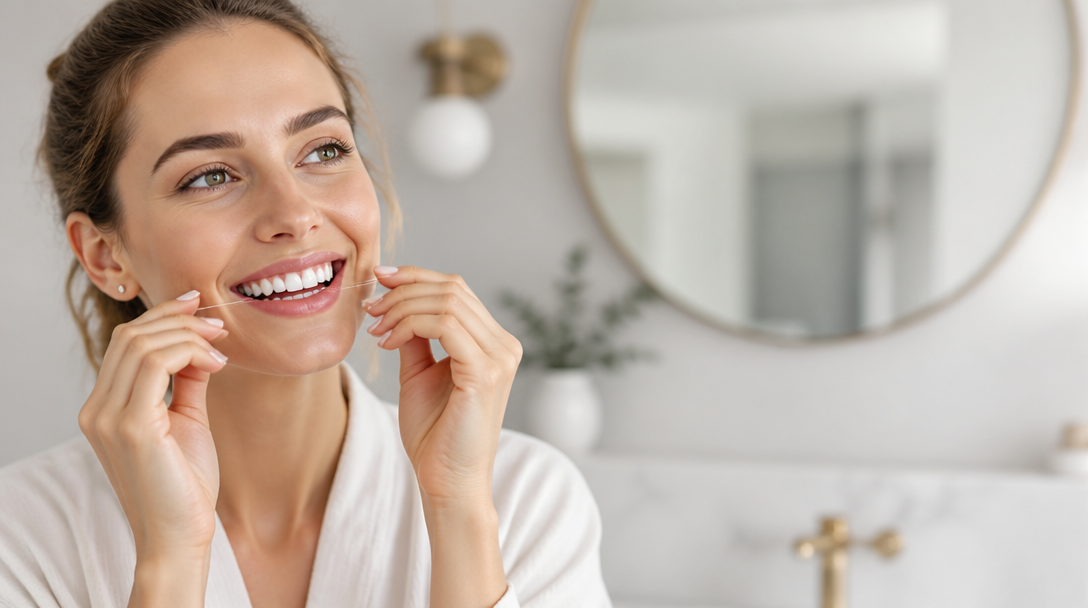
Floss once daily, ideally before your evening brushing session. This clears food debris and plaque from between teeth before they have hours overnight to adhere. Waxed floss or a water flosser are both effective — the best option is whichever one you'll actually use consistently.
Mouthwash
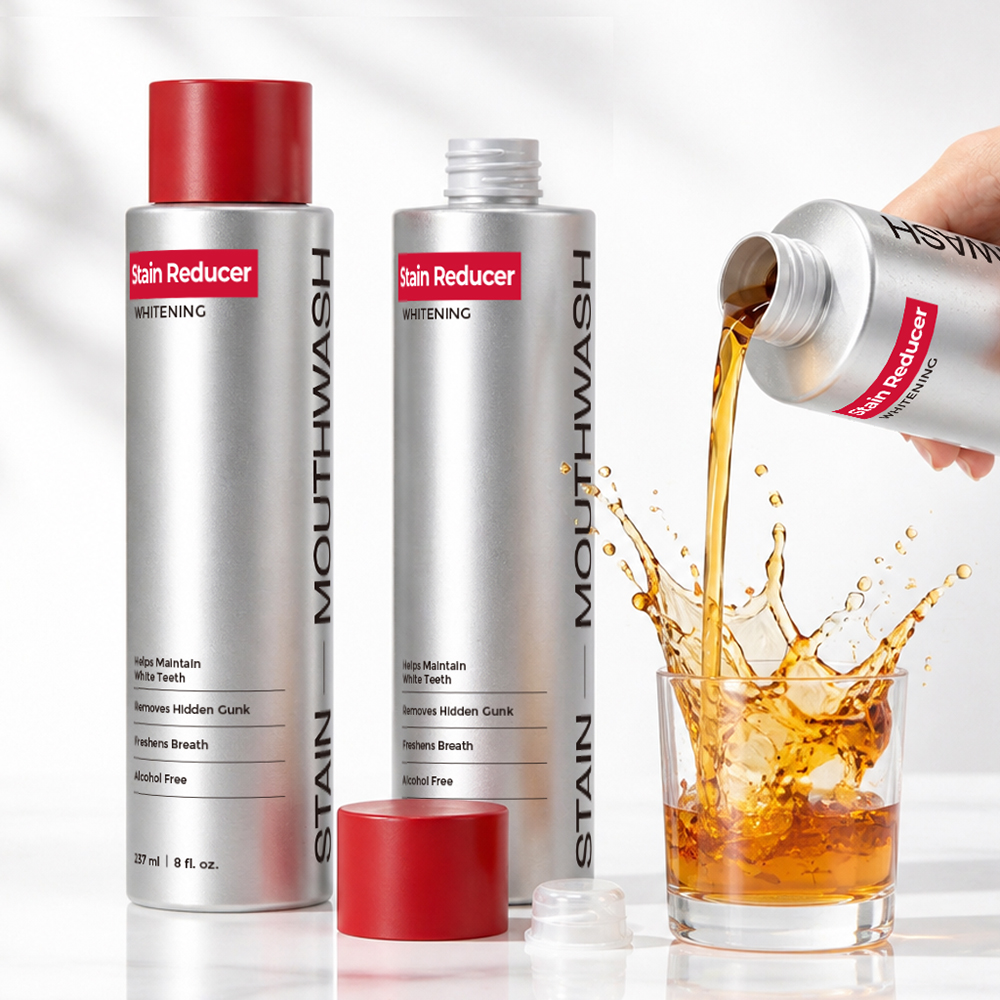
An alcohol-free, fluoride-containing or whitening mouthwash used after brushing adds a layer of protection. Avoid mouthwashes with high alcohol content if you have post-whitening sensitivity — alcohol can temporarily increase dryness and irritation in already-stressed enamel.
The Rinse Habit
Rinsing with plain water after meals — especially when brushing isn't immediately possible — is one of the most underused maintenance habits. It takes ten seconds and meaningfully reduces stain contact time on enamel. Make it automatic after coffee, tea, or any dark-pigmented meal.
How to Keep Teeth White After Whitening: The Touch-Up Schedule That Works
Whitening is not a permanent state. Enamel continues to pick up pigment from daily life, and natural aging gradually darkens teeth from within. Touch-up treatments are not a sign the original treatment failed — they're a normal part of sustaining results.
The Journal of the American Dental Association (PMC/NIH) states directly that optimal persistence of whitening requires following an in-office treatment with monthly home-based touch-up treatments using over-the-counter products. Monthly is the evidence-based recommendation for people actively maintaining their shade.
For those who had professional in-office treatment, a practical framework looks like this:
- First month: Follow the 48-hour post-treatment protocol strictly; begin the daily maintenance habits outlined above
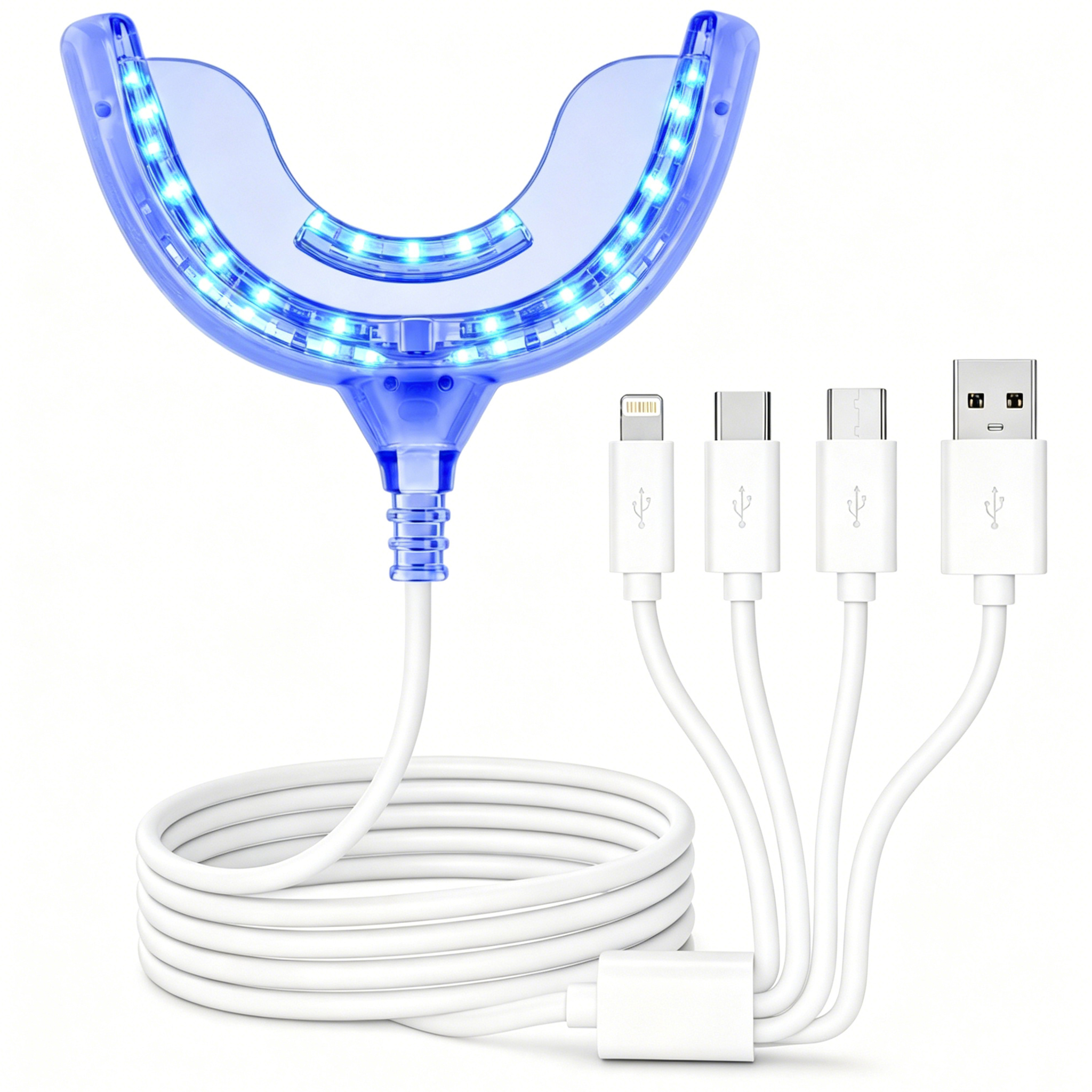
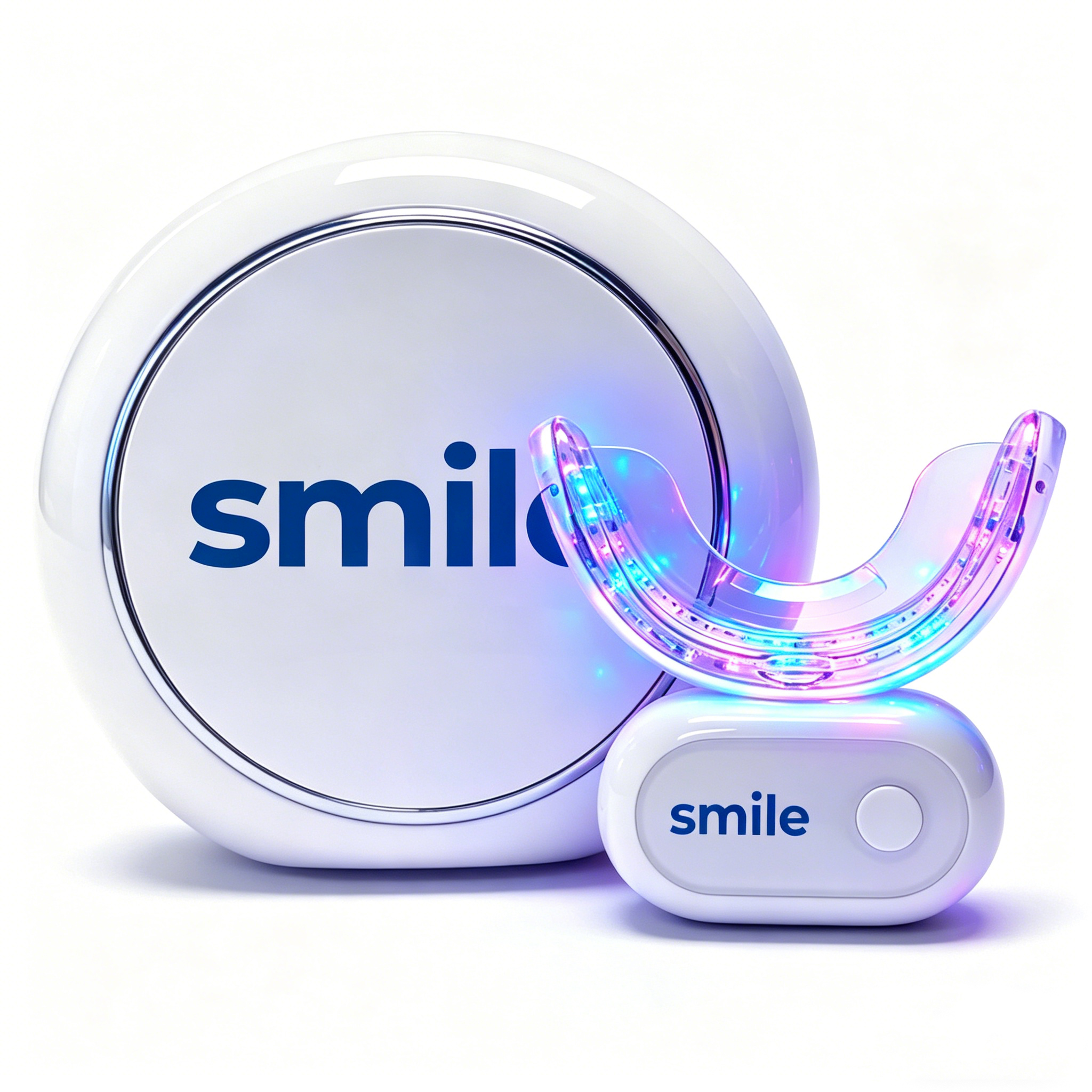
- Ongoing monthly: Use an at-home whitening product — strips, a tray system, or a pen — for a short maintenance session
- Annually: Schedule a professional dental cleaning to remove calculus and surface stain buildup that resists home care
If you had at-home whitening rather than in-office treatment, the same monthly touch-up principle applies, though baseline shade achieved may differ. If sensitivity occurs during touch-up sessions, reduce frequency or session duration rather than stopping entirely. A sensitivity-formulated toothpaste used in the days surrounding a touch-up can help manage transient discomfort.
A Daily Routine That Holds Your Shade Longer
Consistency beats intensity. A moderate daily routine maintained over months will preserve whitening results far better than occasional intensive treatments with no supporting habits in between. Here is a practical framework:
| Time of Day | Action | Why It Matters |
|---|---|---|
| Morning | Brush 2 minutes with non-abrasive whitening toothpaste | Removes overnight plaque and surface stains before they set |
| After coffee or tea | Rinse with water; use a straw when possible | Reduces tannin contact time on front enamel surfaces |
| After meals | Rinse with water | Clears chromogens and acid before they penetrate enamel |
| Evening | Floss, then brush 2 minutes, then alcohol-free mouthwash | Full-surface clean before overnight rest |
| Monthly | At-home touch-up whitening session | Counteracts gradual shade regression |
| Annually | Professional dental cleaning | Removes calculus and deep surface stains beyond home-care reach |
Two dietary adjustments make a disproportionate difference: reducing daily coffee and tea intake — or consistently using a straw — and limiting red wine. These beverages account for the majority of post-whitening stain accumulation in most people's diets.
If you smoke or use tobacco, that single habit will override nearly every other maintenance effort. Tobacco staining is among the most resistant to at-home removal and will significantly shorten the lifespan of any whitening result.
Transient sensitivity after whitening is common and expected — the ADA notes it resolves within a few days for most people. It should not discourage a consistent maintenance routine. If sensitivity persists beyond a week or feels severe, consult a dental professional before continuing any whitening product.
The difference between results that last two weeks and results that hold for six months comes down to these daily decisions. None of them are complicated. Taken together, they make a measurable difference.
References
- Tooth Whitening: What We Now Know — Journal of the American Dental Association (via PMC/NIH)
- Whitening: Oral Health Topics — American Dental Association (ADA)
- Exploring the Evolving Landscape of Tooth Whitening — Dimensions of Dental Hygiene (Journal of Dental Hygiene)
Disclaimer
This article is for general informational purposes only and is not a substitute for professional dental or medical advice. Always consult a qualified dental professional before starting any teeth-whitening or oral-care regimen. WhiteningBright makes no warranties as to the completeness or accuracy of the information, and any reliance is at your own risk.