2026 Teeth Whitening Trends for Smile Perfection
4. Mai 2026
2026 Teeth Whitening Trends Redefining How We Brighten Our Smiles
The 2026 teeth whitening trends are reshaping cosmetic dentistry from the ground up, driven by a wave of clinical research, smarter ingredient science, and consumer demand for results that do not come at the cost of enamel health. The global teeth whitening market, valued at USD 6.9 billion in 2021, is projected to reach USD 10.6 billion by 2030—and the products and protocols emerging this year are the clearest signal yet that the industry has matured beyond gimmicks. One-size-fits-all bleaching trays are being replaced by diagnostic tools, personalized formulas, and evidence-backed light technologies. If your last whitening experience left your teeth aching or your results fading within weeks, the new protocols arriving in 2026 were designed specifically to fix those failures.Why Personalization Defines the 2026 Teeth Whitening Trends
Personalization is the engine behind this year's most significant whitening advances. Brands are launching diagnostic tools—smartphone camera shade analyses and enamel porosity swabs—that feed data into recommendation algorithms. Whether you have extrinsic coffee stains, intrinsic discoloration, or a history of sensitivity, the protocol adapts to you. The clinical rationale for this shift is well established. A comprehensive umbrella review published in PMC confirms that moderate hydrogen peroxide concentrations between 25% and 35% match the efficacy of higher concentrations while causing significantly less post-treatment sensitivity. Oral care research and whitening science has consistently pointed toward precision over power as the smarter clinical path. Personalized whitening also accounts for lifestyle variables. A patient who drinks three cups of coffee daily requires a different maintenance cadence than someone whose staining is primarily age-related. Apps paired with LED devices now track treatment history and adjust session frequency automatically—a feature that did not exist in mainstream consumer products two years ago.Enamel-Safe Ingredients Taking Center Stage

- Low-to-medium hydrogen peroxide (6–20%): Clinically demonstrated to lift intrinsic and extrinsic stains without the pulpal irritation associated with concentrations above 35%.
- Hydroxyapatite and strontium-fluoroapatite (Sr-FAp) fillers: These remineralizing compounds repair microscopic enamel damage during the whitening cycle rather than simply bypassing it.
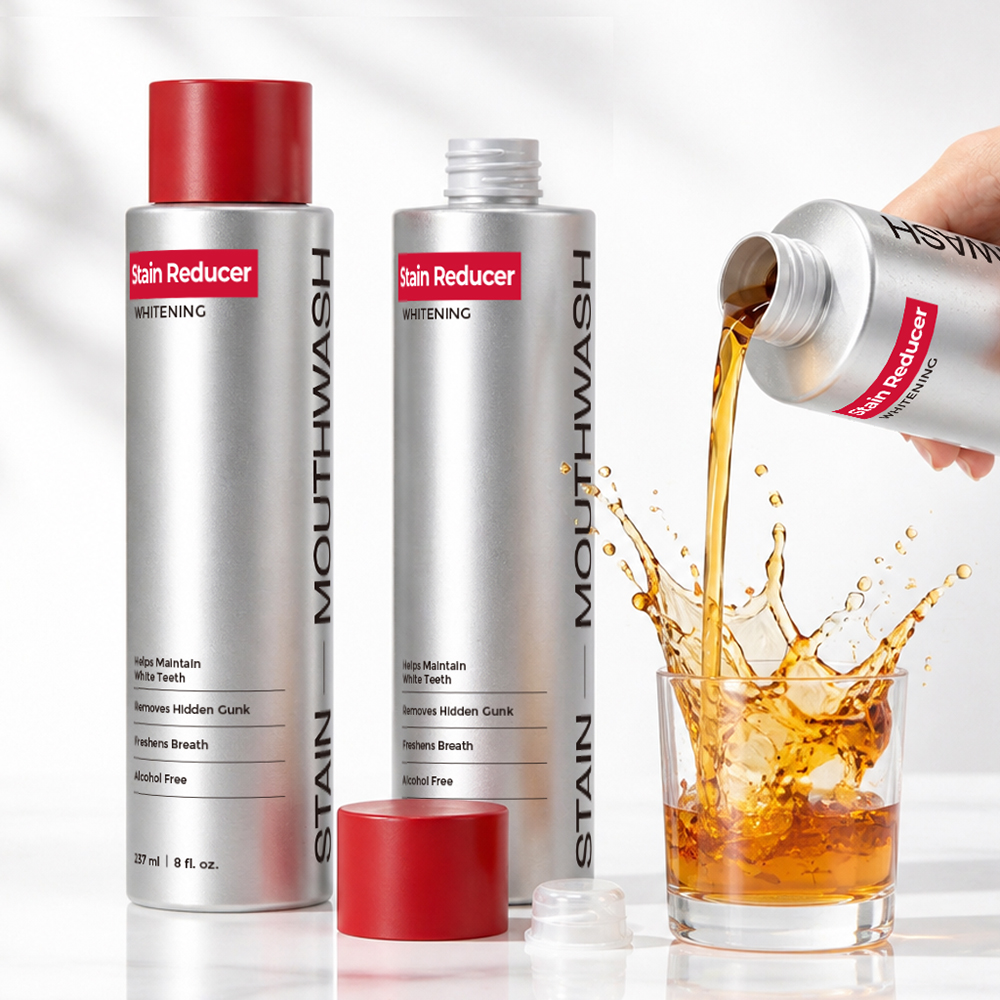
- PAP (phthalamidoperoxycaproic acid): A peroxide-free oxidizing agent derived from fatty acid chemistry that breaks down into water and oxygen. It produces no free radicals harmful to pulp tissue, making it the preferred choice for patients with extreme sensitivity.

Why Lower Peroxide Concentrations Deliver Better Outcomes
A clinical evaluation published in PMC tested low, medium, and high hydrogen peroxide concentrations in an in-office setting. Low- and medium-concentration groups achieved comparable shade improvement on the VITA Classic scale while reporting significantly lower pain scores and better quality-of-life ratings during treatment. The takeaway for 2026 consumers is direct: more peroxide does not mean more white. It means more risk. Dentists operating under current best-practice guidelines are already transitioning toward 25–35% in-office protocols and recommending 10% carbamide peroxide for home maintenance—a combination validated as the gold standard by multiple independent trials.LED Light Technology: Real Benefits and Real Limits
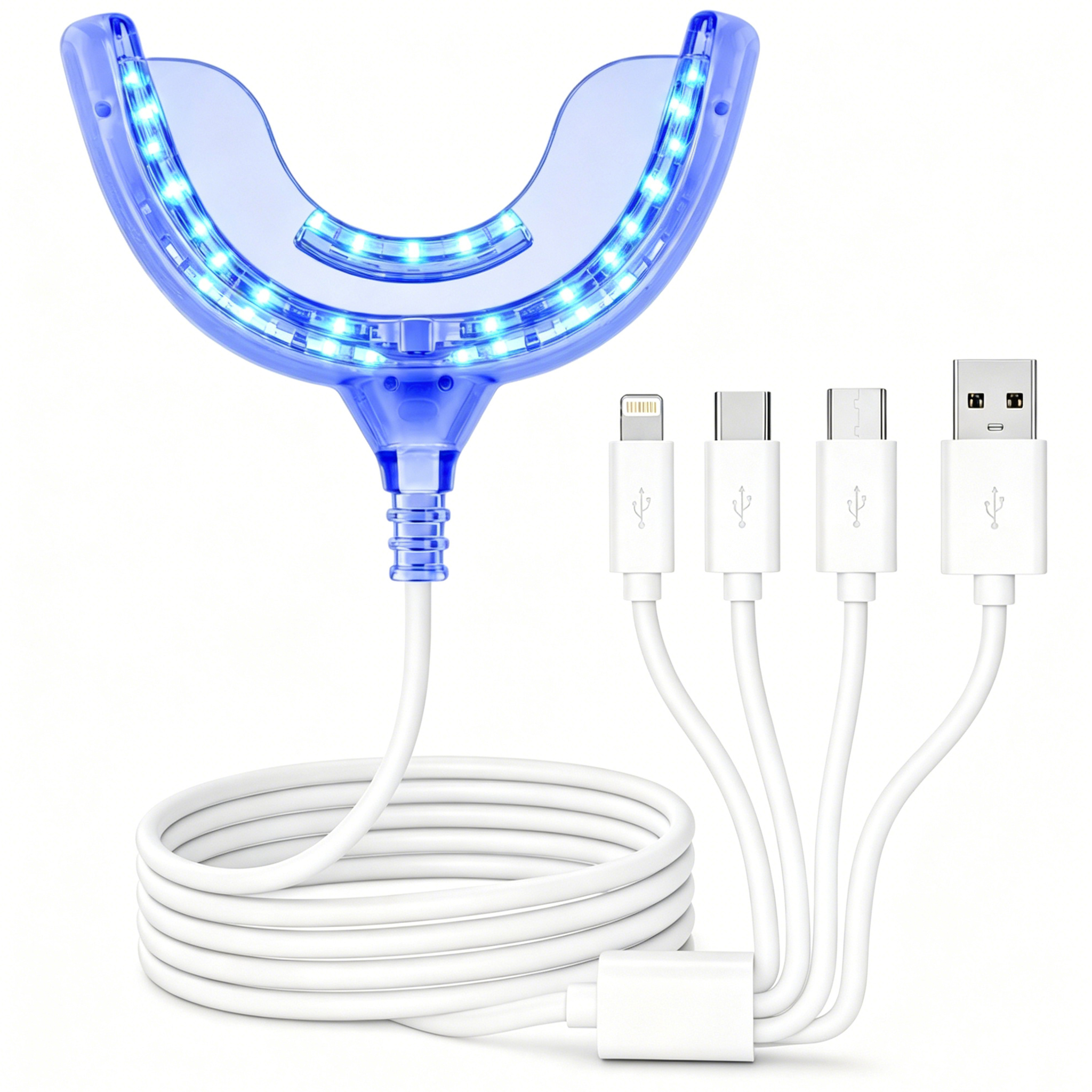
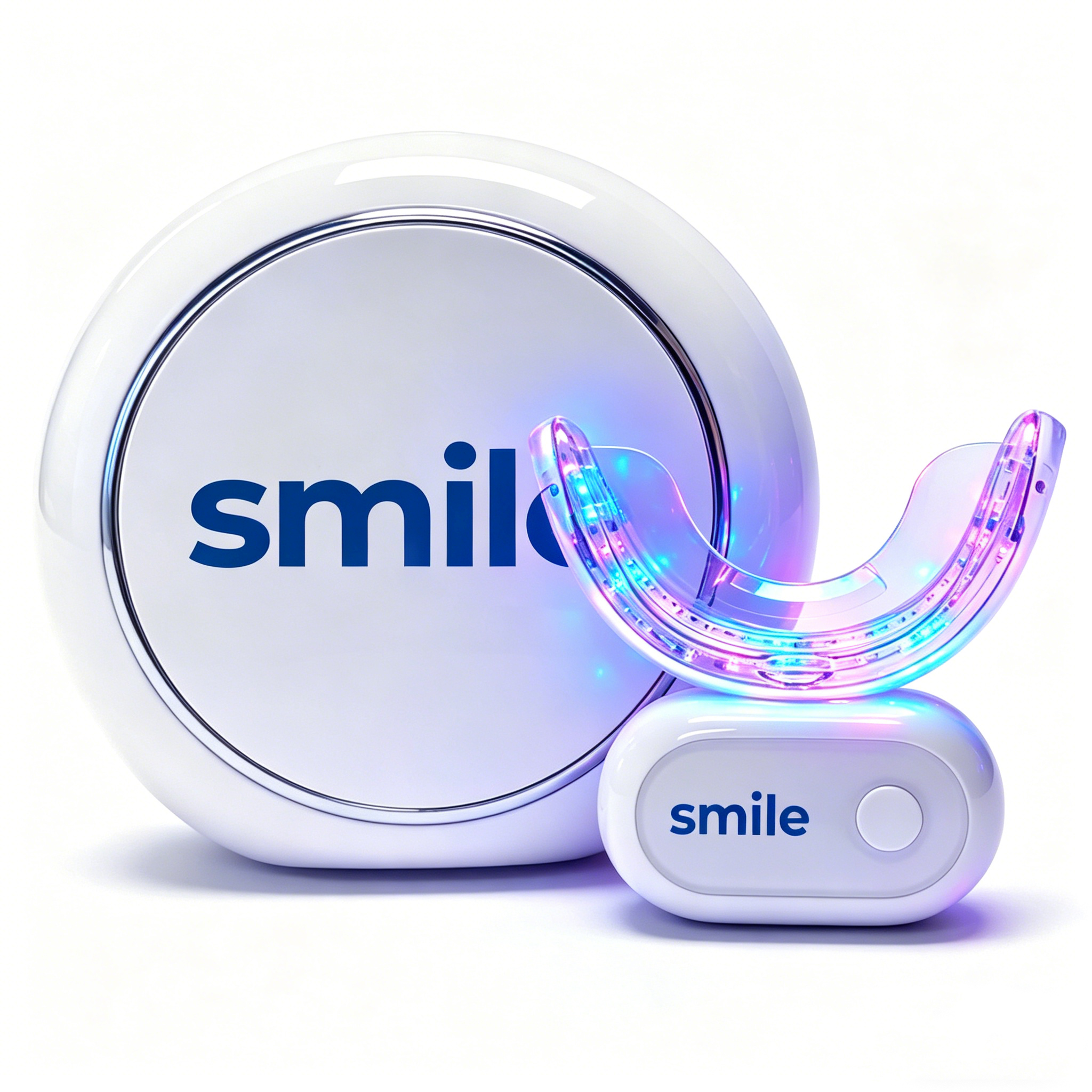
LED devices have moved from clinic-only equipment to mainstream consumer products, and the 2026 teeth whitening trends reflect that transition at scale. Violet and blue LED light sources are now embedded in flexible, slim trays designed for at-home use. Some units sync with mobile apps to regulate session duration and light intensity based on the user's sensitivity profile. However, the clinical picture on LED light deserves an honest read. Research published in PubMed and reviewed in a PMC umbrella study both conclude that more clinical trials are needed before violet LED can be confirmed as an independent whitening agent. Current evidence suggests that violet light may offer a subtle optical brightening effect by counteracting yellow undertones, but it does not chemically remove stains on its own. Where LED demonstrates clear value is as a catalyst. When violet light is paired with carbamide peroxide gel, early trial data shows a reduction in total treatment time and a potential decrease in thermal sensitivity compared to peroxide alone. Blue LED functions similarly with hydrogen peroxide, accelerating the oxidation reaction without raising the gel's temperature to the levels associated with pulp irritation. For consumers evaluating the latest teeth whitening industry developments, the practical guidance is straightforward: choose LED kits that pair the light source with an evidence-based gel, not devices marketed as "no-peroxide whitening" based on light alone.Violet LED: Separating Optical Effects from Clinical Whitening
Violet LED marketing often implies standalone bleaching power. The science does not support that claim at this stage. What violet light does well is interact with chromophore molecules in tooth structure, producing a temporary visual brightening that can last hours but fades without a chemical whitening agent reinforcing the effect. Used correctly—as a delivery accelerant alongside carbamide peroxide—violet LED kits show genuine promise for reducing total session time. Research cited in the PMC umbrella review positions this combination as one of the most watched areas for clinical development through 2027. The 2026 teeth whitening trends include this technology not as a finished solution but as a rapidly evolving one worth monitoring.How Combined In-Office and At-Home Protocols Extend Results
A landmark review published in PMC (Tooth Whitening: What We Now Know) established a protocol principle that continues to define best practice in 2026: combining in-office bleaching with a structured at-home maintenance regimen produces longer-lasting color stability than either method alone. In-office treatment with 25–35% hydrogen peroxide delivers an immediate, measurable shade change—typically two to four VITA scale steps in a single session. At-home maintenance using 10% carbamide peroxide trays then consolidates those gains and extends color persistence over months rather than weeks. The 2026 teeth whitening trends have productized this two-phase approach. Dental practices now offer take-home kits calibrated to the specific shade achieved in-office. Consumer brands are launching "bridge kits"—maintenance formulas designed explicitly to follow professional treatments rather than replace them. This positions whitening as an ongoing oral care behavior rather than a one-time cosmetic event.Market Data Confirming the 2026 Shift in Consumer Behavior
The market numbers reflect exactly what the clinical trends predict. The global teeth whitening sector was valued at USD 6.9 billion in 2021 and is on track to reach USD 10.6 billion by 2030, according to analysis integrated in a PMC study on AI applications in tooth whitening. Growth is concentrated in three specific consumer behavior patterns emerging in 2026.- Safety over speed: A majority of surveyed consumers now prefer lower-peroxide or peroxide-free gels over high-concentration fast-acting formulas, prioritizing long-term enamel health over rapid results.
- Customization demand: AI-recommended whitening kits—those paired with diagnostic shade assessment—have seen year-over-year purchase growth as consumers reject generic strip products in favor of tailored regimens.
- Multi-functional formulas: Products that combine whitening with hydroxyapatite-based enamel repair or potassium nitrate for sensitivity control are outperforming single-action items in every major retail category.

Frequently Asked Questions
Are low-concentration peroxide products as effective as high-concentration formulas?
Clinical evidence says yes, with an important qualifier. A PMC clinical evaluation found that low- and medium-concentration hydrogen peroxide achieved comparable shade improvement to high-concentration formulas while producing significantly less post-treatment sensitivity. The tradeoff is time: lower concentrations may require more sessions to reach the same shade target.Can violet LED devices whiten teeth without any gel?
Current clinical research does not support violet LED as a standalone whitening agent. The optical brightening effect it produces is real but temporary. For lasting stain removal, violet LED must be paired with carbamide peroxide or a PAP-based gel. Any product claiming otherwise is not supported by peer-reviewed evidence as of 2026.What is the safest whitening option for people with sensitive teeth?
PAP is the most evidence-backed choice for sensitivity-prone patients. Unlike hydrogen peroxide, PAP generates no free radicals that penetrate to pulp tissue, which eliminates the primary mechanism behind whitening-induced tooth pain. Pairing PAP gel with a low-intensity LED device and a post-treatment hydroxyapatite serum offers the most complete sensitivity management protocol available in 2026.How often should I whiten my teeth?
Standard 2026 protocols recommend one session per day for 10 to 14 days during the active phase, followed by a maintenance touch-up every two to three months. Patients using AI-paired devices can follow app-generated adjustments based on shade progress and sensitivity feedback logged during each session.Will whitening affect crowns, veneers, or composite fillings?
Hydrogen peroxide and PAP do not alter the color of ceramic, porcelain, or composite restorations. Whitening only acts on natural tooth structure. If you have existing restorations, whiten your natural teeth first and then consult your dentist about matching the shade of any new restorative work to your whitened teeth.Is activated charcoal a legitimate whitening alternative?
No. A 2025 PubMed in vitro study on gold-standard bleaching methods confirmed that activated charcoal is ineffective at removing intrinsic or extrinsic stains and causes enamel erosion with repeated use. The product category persists through social media marketing, not clinical validation.The Evidence-Based Path to a Brighter Smile in 2026
The science behind the 2026 teeth whitening trends points in one consistent direction: precision, patience, and proven ingredients outperform aggressive concentrations and viral fads every time. Whether you choose an in-office protocol with your dentist or a carefully selected at-home LED kit, the framework is the same—match the formula to your enamel, use the lowest effective concentration, and maintain the result with a structured home regimen. Explore our curated selection of 2026-ready whitening formulas, including PAP gels, violet LED kits, and hydroxyapatite maintenance products, and find the protocol that fits your smile goals without compromising your long-term oral health.References
- PubMed – Trends and Gaps in Clinical Research on Tooth Bleaching (2025)
- PMC – In-office tooth bleaching protocols: an umbrella review (2025)
- PubMed – In vitro whitening performance of gold standard dental bleaching methods (2025)
- PMC – The evaluation of tooth whitening from a perspective of artificial intelligence (2025)
- PMC – Clinical evaluation of in-office bleaching with low, medium, and high concentrations (2025)
- PMC – Tooth Whitening: What We Now Know (2014)
- LLRNCARE – 2026 Teeth Whitening Trends: New Tech and Clean Formulas (2026)