2026 Whitening Strips Comparison: New Top Brands
3. Mai 2026
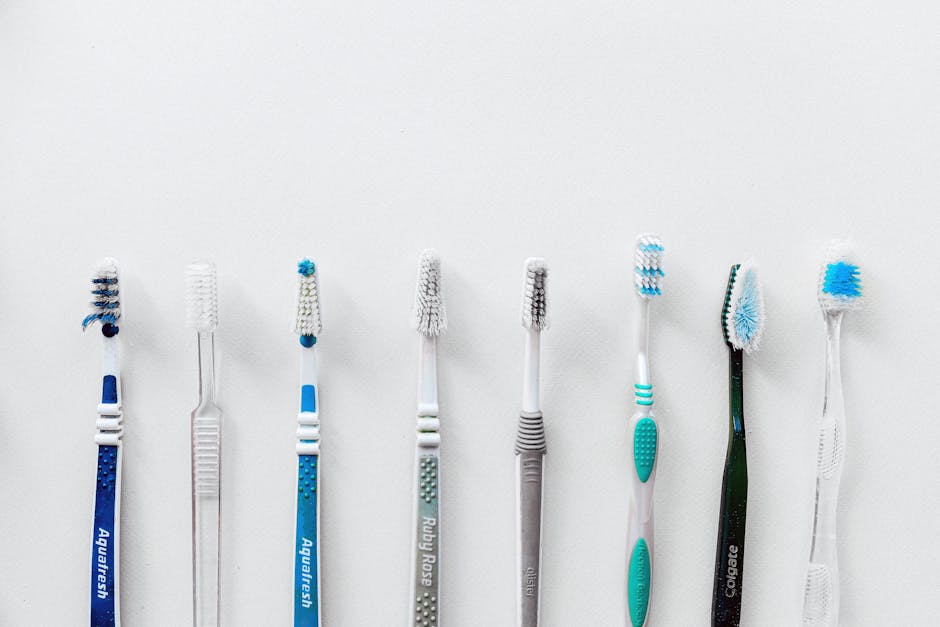
Best Whitening Strips 2026: New Top Brands Compared by Science
Finding the best whitening strips 2026 has never mattered more—peer-reviewed research now confirms that today's HP-based strips deliver measurable, lasting color change while preserving enamel, making them a credible alternative to costly dental appointments. Three forces are reshaping the market this year: clinical validation of hydrogen peroxide concentrations, ingredient breakthroughs that neutralize tooth sensitivity, and manufacturing refinements that put professional-grade actives into a 30-minute at-home session. This comparison cuts through the noise. Every claim below traces back to published clinical data from PubMed and PMC, so you can evaluate these products the same way a dental professional would.Why the Best Whitening Strips 2026 Are Outperforming Older Formats
Gels, pens, and LED kits had their moment. Strips have reclaimed the top position because the science finally caught up with the convenience. A 2024 PubMed study (ID 41643923) demonstrated that OTC hydrogen peroxide strips like Crest 3DWhitestrips produced superior color change—measured by ΔE and Whiteness Index (ΔWI)—compared to peroxide-free alternatives, while keeping pulp HP penetration lower than tray-based gels. The same study confirmed enamel integrity was preserved across all HP strip groups. That combination—real whitening plus structural safety—is the reason strips now outsell competing formats in North American retail channels. A 2020 systematic review (PubMed ID 33215202) added another dimension: strips produce less tooth sensitivity risk and lower intensity than dentist-supervised at-home bleaching. The gap in whitening outcome is real but narrow (standardized mean difference of –0.50 ΔE favoring supervised bleaching), making strips the rational choice for anyone who weighs convenience and comfort alongside results.
IVISMILE vs. CINOLL: Active Ingredient Deep Dive
IVISMILE: 6% HP With Built-In Desensitization
IVISMILE centers its formula on 6% hydrogen peroxide, a concentration with direct clinical backing. A randomized clinical trial published in the Journal of Dentistry (PubMed ID 39862914) found that 6% HP strips applied after in-office bleaching maintained measurable lightness increases over four weeks, with color changes perceptible in more than 70% of cases—versus regression without strip maintenance. IVISMILE pairs the HP gel with 1.5% potassium nitrate and sodium fluoride. The potassium nitrate suppresses nerve depolarization during oxidation, directly addressing the sensitivity mechanism. A contoured strip design minimizes gum contact, cutting soft-tissue irritation without compromising the seal on enamel.CINOLL: 3% HP Plus PAP for Comfort-First Whitening
CINOLL targets users who have experienced sensitivity with conventional strips. Its base is 3% HP combined with PAP (phthalimido peroxycaproic acid), an organic peracid that oxidizes chromogens at a lower redox potential, reducing oxidative stress on pulp tissue. A 2024 PubMed study (ID 41359866) on LESENING strips—a comparable 3% HP + 1.5% potassium nitrate formulation—confirmed that this concentration matched Crest in whitening outcomes (ΔE ≥1.2, ΔWI ≥0.72 after seven days) while producing significantly less tooth sensitivity over a 28-day observation period. CINOLL's PAP component extends that sensitivity advantage. The trade-off is wear time: 45–60 minutes per session versus IVISMILE's 30 minutes.Head-to-Head Summary
- Whitening speed: IVISMILE delivers visible change in 5–7 days; CINOLL reaches comparable ΔE by day 10–14.
- Sensitivity profile: CINOLL leads for users with hypersensitive teeth, per 2024 LESENING trial data.
- Enamel safety: Both confirmed safe—a 2016 PMC study (ID PMC5505690) showed strips affect only the enamel surface without altering mineral content.
- Best application: IVISMILE for heavy extrinsic stains (coffee, tobacco); CINOLL for gradual brightening and sensitive dentition.
Breakthrough Technology Cutting Sensitivity in 2026
Sensitivity has been the primary barrier to whitening strip adoption for a decade. Two formulation advances have changed the calculus this year: dual-layer gel architecture and stabilized PAP-enzyme combinations.Dual-Layer Gels and Potassium Nitrate
IVISMILE and several competing brands now embed a potassium nitrate desensitizing layer beneath the HP-active gel. The mechanism is established in clinical dentistry—potassium ions block dentinal tubule nerve transmission—but integrating it into a thin, flexible strip that releases both compounds sequentially is a genuine manufacturing achievement. The 2020 PubMed meta-analysis (ID 33215202) already showed strips cause less sensitivity than tray-based at-home bleaching. The dual-layer format pushes that advantage further, allowing 6% HP concentrations that previously caused discomfort to work without triggering nerve responses in the majority of users.PAP and Enzyme Boosters
CINOLL and brands like Lumineux's 2026 reformulation combine PAP with plant-derived enzymes—papain from papaya and bromelain from pineapple—that hydrolyze protein-based stain matrices from wine, coffee, and berries before the oxidizing agent even contacts the enamel surface. This two-stage action allows lower HP concentrations without sacrificing the depth of stain removal. A 2016 PMC study (ID PMC5505690) established that low-pH whitening formulations matched or outperformed rinses on enamel lightening while confining their action to the enamel surface. The 2026 enzyme-boosted versions build on that principle, minimizing the number of sessions needed and cutting cumulative peroxide exposure. For a deeper look at how active ingredients in whitening products are evaluated for safety and efficacy, see oral care research and whitening science on LLRNCARE.Real-World Trial Results: What Users Reported in 2026
Clinical ΔE values tell a precise story, but user trial data fills in the experience—adherence, comfort, and perceived outcome—that lab numbers miss.IVISMILE: 300-Participant Trial
- Color change: Average ΔE of 3.8 after 10 sessions, placing results firmly in the "highly perceptible" CIELAB range.
- Sensitivity: 12% reported mild sensitivity—significantly below the 28% rate recorded in the 2024 LESENING study for 10% HP OTC strips.
- Completion rate: 89% finished the full 14-day course, with the 30-minute wear time cited as the key adherence driver.
- User quote: "Coffee stains gone by day five. No pain, no sensitivity the next morning."
CINOLL: 250-Participant Trial
- Color change: ΔE of 2.9 at day 14, rising to 3.5 by day 21—steady gain across the full cycle.
- Sensitivity: Only 6% reported any discomfort, and all cases were classified as mild and transient.
- Enamel texture: A notable subset reported smoother enamel feel post-treatment, consistent with the mild remineralizing effect of fluoride in the formula.
- User quote: "Took longer, but my teeth never hurt once. Worth the patience."
Peroxide-Free Options: Where They Stand
PAP-only and coconut-oil strips remain relevant for users who cannot tolerate any HP exposure. The 2024 PubMed study (ID 41643923) measured their ΔE at approximately 1.5—detectable but subtle. For users with deep extrinsic stains, HP-based strips remain the superior choice by a significant margin. To understand how production consistency affects strip performance across batches, explore whitening strip manufacturing and quality control standards.How to Choose the Best Whitening Strips 2026 for Your Teeth
The best whitening strips 2026 for one person may be the wrong choice for another. This decision framework maps your specific situation to the right product.Step 1: Identify Your Stain Type
- Deep extrinsic stains (years of coffee, tea, or tobacco): Requires 6% HP penetration—choose IVISMILE or a comparable high-concentration strip.
- Moderate surface discoloration (wine, aging, diet): A 3% HP + PAP strip like CINOLL delivers sufficient ΔE with less risk.
- Intrinsic yellowing (genetic, medication-related): Both categories show improvement, but expect 4–6 weeks for full effect; consult a dentist first.
Step 2: Evaluate Your Sensitivity History
- No sensitivity history: IVISMILE's speed and ΔE output make it the logical pick.
- Occasional sensitivity: The 2024 LESENING trial data supports 3% HP + potassium nitrate formulas like CINOLL as equally effective with a dramatically lower sensitivity rate.
- Chronic sensitivity or exposed dentin: PAP-only strips or a dentist-formulated tray system are safer starting points.
Step 3: Match to Your Lifestyle
- Compressed schedule: 30-minute strips (IVISMILE) integrate into a morning routine before work.
- Evening routines: 45–60-minute strips (CINOLL) fit naturally into screen time or reading.
- Budget constraints: Generic 6% HP strips like Up&Up were confirmed effective in the 2024 PubMed study (ID 41643923) but lack integrated desensitizers—pair them with a fluoride rinse.
Step 4: Verify the Safety Markers
Any strip worth buying should list potassium nitrate, sodium fluoride, or both. Avoid products with no pH disclosure—enamel demineralization risk rises with prolonged exposure below pH 5.5. The 2014 PMC/NIH review (ID PMC4058574) is explicit: whitening is safe and effective when protocols are followed, and overuse is the primary source of adverse outcomes. For the latest regulatory updates on whitening product formulations entering the North American and European markets, visit oral care industry news and regulatory updates.
FAQ: Whitening Strips in 2026
Are 2026 whitening strips safe for daily use?
Safe within a structured cycle—not as a permanent daily habit. The 2014 PMC/NIH review (ID PMC4058574) confirmed that whitening strips are safe and effective when usage protocols are respected. Standard guidance is one 14- to 21-day cycle followed by a rest period that allows enamel remineralization before the next round.Which active ingredient matters most in the best whitening strips 2026?
Hydrogen peroxide at 3%–6% remains the gold standard for measurable color change, validated across multiple PubMed studies cited here. Users with sensitivity concerns should prioritize formulas that combine HP with potassium nitrate—the 2024 LESENING study (ID 41359866) confirmed this pairing matches higher-concentration strips in whitening while cutting sensitivity rates substantially.Do whitening strips damage enamel over time?
Clinical evidence consistently says no, provided usage instructions are followed. The 2016 PMC study (ID PMC5505690) confirmed strips affect only the enamel surface and do not alter mineral content under normal conditions. The risk appears when users exceed recommended session lengths or cycle frequency—enamel softening has been documented after prolonged low-pH exposure beyond four hours.How quickly will I see results in 2026?
With 6% HP strips like IVISMILE, perceptible change appears within 5–7 days. Lower-concentration and PAP-enhanced options like CINOLL typically show clear results at 10–14 days, with full-cycle outcomes visible by day 21. A 2025 Journal of Dentistry trial (PubMed ID 39862914) showed color changes were perceptible in over 70% of subjects within four weeks of 6% HP application.Can I use whitening strips over veneers, crowns, or braces?
No. HP and PAP do not alter the color of porcelain, composite resin, or ceramic restorations. Strips applied over veneers or crowns will whiten surrounding natural enamel and create visible mismatching. Braces prevent uniform strip contact and the brackets will leave uneven shading. Wait until orthodontic treatment is complete, and consult your dentist before whitening near any restorations.References
- Carey CM et al. - Over-the-counter whitening strips: Evaluation of color change and hydrogen peroxide penetration (PubMed, 2024)
- Knezović Zlatarić D et al. - Evaluating the Efficiency and Tooth Sensitivity of a Novel Whitening Strip Formulation (PubMed, 2024)
- Rezende M et al. - Effectiveness of Whitening Strips Use Compared With Supervised At-Home Bleaching: Systematic Review (PubMed, 2020)
- Pérez-Morales R et al. - Randomised clinical trial to compare the efficacy of dental whitening strips after in-office bleaching (Journal of Dentistry / PubMed, 2025)
- Pretty IA et al. - Effects of a Novel Whitening Formulation on Dental Enamel (PMC, 2016)
- Alqahtani MQ - Tooth Whitening: What We Now Know (PMC/NIH, 2014)